
Kittacincla cebuensis
Kittacincla cebuensis
Order: Passeriformes / Family: Sylviidae

Wikimedia Commons
About the Kittacincla cebuensis
The Kittacincla cebuensis, commonly known as the Black Shama, is a captivating bird endemic to the island of Cebu in the Philippines. This species belongs to the family Sylviidae within the order Passeriformes. The Black Shama holds particular significance due to its restricted range and the ongoing conservation efforts to protect its dwindling habitat. Cebu, once lush with forests, has faced extensive deforestation, making the conservation of this bird crucial for maintaining the island's biodiversity. The Black Shama thrives in primary and secondary forests, often found in dense thickets and bamboo groves. It plays a vital ecological role as an insectivore, helping control insect populations, which in turn supports the health of the forest ecosystem.
During the breeding season, which usually spans from March to June, the Black Shama becomes particularly vocal, filling the forest with its rich and varied calls. Outside of the breeding season, it remains elusive, often heard more than seen. The bird's ability to adapt to secondary growth areas is noteworthy, although it still primarily prefers undisturbed forest habitats. Protecting the remaining forest patches on Cebu is essential for the survival of the Black Shama and other endemic species. Despite its limited range, the Black Shama's presence indicates a relatively healthy forest environment, making it an important species for ecological monitoring.
The Black Shama is not only a symbol of Cebu's unique avifauna but also a flagship species for conservation initiatives on the island. As forests continue to face threats from human activity, the survival of Kittacincla cebuensis underscores the urgent need for sustainable development and effective habitat management. The species' adaptability to certain altered habitats offers some hope, but without concerted conservation efforts, its future remains uncertain. Thus, the Black Shama serves as a reminder of the delicate balance within ecosystems and the ongoing challenge of preserving biodiversity in rapidly changing environments.
The Kittacincla cebuensis belongs to the family Sylviidae, within the order Passeriformes. These birds typically live typically around 6 years in the wild, with some individuals living up to 8 years..
How to Identify a Kittacincla cebuensis
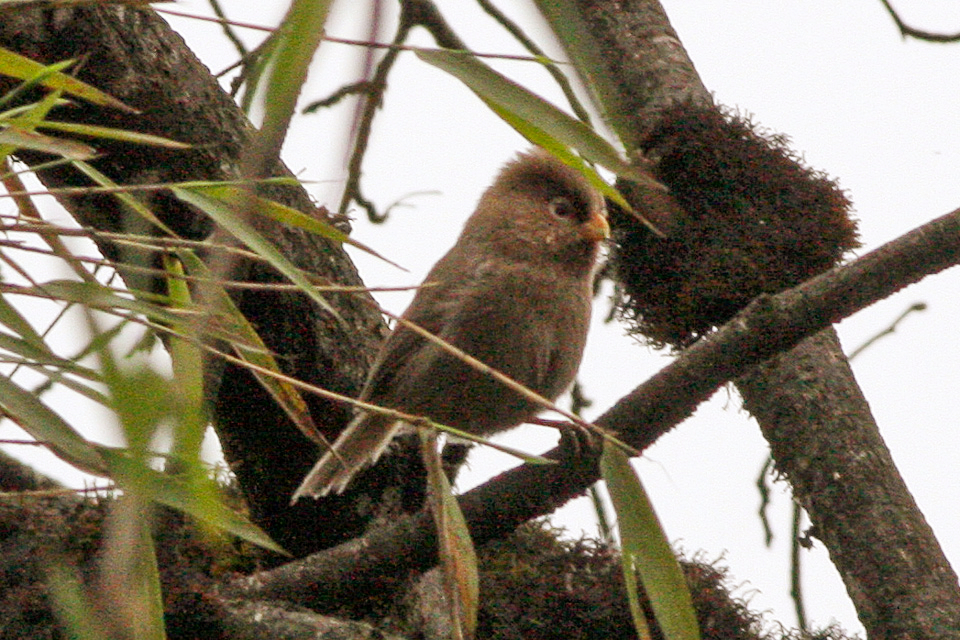
The Black Shama is a medium-sized songbird characterized by its entirely black plumage, which gives it a sleek and elegant appearance. Adult males and females are similar in appearance, although males tend to be slightly larger with a more pronounced tail. Juveniles, on the other hand, may display a brownish tint to their feathers, which they lose as they mature into adulthood. The bird's dark eyes and sharp bill complement its striking black feathers, making it easily identifiable for those familiar with its habitat.
In the field, the Black Shama can be confused with the similarly dark-colored Philippine Magpie-Robin, but the latter species generally exhibits a white belly and undertail, features absent in the Black Shama. Another distinguishing feature for the Black Shama is its long, narrow tail which it often fans and flicks when perched, adding to its distinctive silhouette.
The Black Shama's flight is characterized by swift, direct movements, often low to the ground or through dense vegetation. When perched, it maintains an upright posture, allowing easy identification once spotted. Observers should listen for its melodious song, often the best clue to locating this otherwise elusive bird.
Having trouble telling birds apart? Upload a photo to our bird identification tool for an instant species match.
Kittacincla cebuensis Habitat and Range
Preferred Habitat
The Black Shama thrives in forested environments, particularly favoring primary and secondary lowland forests. It prefers dense thickets and bamboo groves, where it can forage and nest. The bird is typically found at elevations ranging from sea level to about 1,000 meters, though it is most common in mid-elevation forest areas. Seasonal habitat shifts are minimal, as the species remains in its territory year-round, but it may move slightly within its range to find optimal foraging or nesting locations.
Urban areas do not typically host the Black Shama, as it requires the cover and resources provided by forest environments. However, the bird's presence in secondary growth and some modified habitats suggests an ability to cope with certain levels of habitat change, provided sufficient cover and food resources remain available. Conservation efforts on Cebu focus on protecting these forested areas, crucial for the Black Shama's survival.
Geographic Range
The Black Shama is endemic to Cebu, an island in the central Philippines, making its range highly restricted. This limited distribution underscores the bird's vulnerability, as habitat loss on the island significantly impacts its population. The species does not migrate and is a year-round resident of Cebu's forested habitats. Within its range, population densities vary, with higher concentrations in areas of well-preserved forest.
The Black Shama's presence is most notable in the central and southern parts of Cebu, where remaining forest patches provide suitable habitats. The northern parts of the island, which have faced more extensive deforestation, host fewer individuals. Conservation hotspots include the Central Cebu Protected Landscape and the Nug-as Forest, areas critical for the survival of the Black Shama and other endemic species.
Given the bird's restricted range, any conservation planning or habitat restoration on Cebu must account for the needs of the Black Shama. Efforts to expand protected areas and restore degraded habitats are integral to ensuring its long-term survival.
Want to know which birds visit your area? Browse our backyard birds by location guides for region-specific species lists.
What Does the Kittacincla cebuensis Eat?
The diet of the Black Shama primarily consists of insects and other small invertebrates, making it an important insectivore within its ecosystem. It forages actively in the dense underbrush, often observed hopping through leaf litter or gleaning insects from foliage. The bird's hunting technique involves quick, darting movements to capture prey, which can include beetles, spiders, and caterpillars.
Seasonal variations in food availability may influence its diet slightly, but the Black Shama generally maintains a consistent feeding pattern throughout the year. It often feeds during the early morning and late afternoon, taking advantage of cooler temperatures and increased insect activity during these times.
The size of prey items typically ranges from small insects to medium-sized invertebrates, with the bird capable of adapting its hunting strategy to capture various prey types. This ecological role as a predator of insects helps maintain the balance within its forest environment, reducing the likelihood of pest outbreaks and supporting overall forest health.
Kittacincla cebuensis Behavior and Social Structure
The Black Shama exhibits a territorial and solitary nature, particularly during the breeding season when males become highly vocal to establish and defend their territories. Males perform elaborate song displays, which serve both to attract females and deter rival males. These displays are often accompanied by vigorous tail fanning and wing fluttering, adding a visual component to their auditory signals.
While generally solitary or found in pairs, the Black Shama may occasionally join mixed-species foraging flocks, especially outside the breeding season. This behavior allows the bird to exploit food resources more efficiently and gain protection from predators through the safety in numbers.
The bird's response to predators is characterized by alarm calls and evasive maneuvers, utilizing the dense vegetation to escape. Daily activity patterns involve active foraging during the cooler parts of the day, with periods of rest and preening typically occurring during midday. The Black Shama's adaptability to different foraging techniques and its cautious nature contribute to its survival in its restricted habitat.
Kittacincla cebuensis Nesting and Reproduction
The Black Shama constructs cup-shaped nests using a variety of natural materials such as twigs, leaves, and grasses. These nests are typically well-concealed within dense vegetation, providing protection from predators and environmental elements. Preferred nesting sites include low trees or shrubs, often less than two meters above the ground.
Clutch sizes for the Black Shama generally range from two to four eggs, with both parents participating in incubation. The incubation period lasts approximately 14 to 16 days, after which the chicks hatch. Both male and female Black Shamas share the responsibilities of feeding and caring for the young, ensuring a higher survival rate for the offspring.
Fledging occurs about 12 to 15 days after hatching, with the young birds remaining under parental care for an additional few weeks as they learn to forage and evade predators. The Black Shama typically raises one to two broods per year, depending on environmental conditions and food availability.
Kittacincla cebuensis Sounds and Vocalizations
The Black Shama is renowned for its melodious song, characterized by a series of rich, flute-like notes delivered in a varied and complex sequence. The rhythm of its song can be both fast and slow, with frequent pauses and changes in tempo that add to its complexity. Pitch variations are common, with some notes reaching high frequencies that carry well through dense forest vegetation.
In addition to its primary song, the Black Shama emits a range of call notes, including sharp whistles and softer, chattering sounds used for communication between individuals. Alarm calls are more abrupt and harsher in quality, serving as warnings to other birds of potential threats.
During the dawn chorus, the Black Shama's song is particularly prominent, often marking its presence in the territory. Comparatively, its song is more melodious and less repetitive than that of the Philippine Magpie-Robin, another bird with which it shares parts of its range.
Interesting Facts About the Kittacincla cebuensis
- 1The Black Shama is one of only three species of shama found in the Philippines, highlighting its unique place in the region's avifauna.
- 2Despite its limited range, the Black Shama exhibits a remarkable ability to adapt to secondary growth forests, demonstrating resilience in the face of habitat alteration.
- 3The Black Shama's song repertoire is extensive, with individual birds capable of producing up to 20 distinct song variations.
- 4This bird species plays a critical ecological role by controlling insect populations, which helps maintain the health of forest ecosystems on Cebu.
- 5The Black Shama was first described scientifically in 1877, underscoring its long-standing recognition within the ornithological community.
- 6The species' name, Kittacincla cebuensis, reflects its ties to Cebu, with 'cebuensis' directly referring to the island it inhabits.
- 7Conservation efforts for the Black Shama have become a model for protecting other endangered species with similarly restricted ranges.
Kittacincla cebuensis Conservation Status
The Black Shama is currently classified as a vulnerable species by the IUCN, with its population trend showing signs of decline. The primary threat to its survival is habitat loss due to deforestation and land conversion for agriculture and development on Cebu Island. Conservation efforts focus on habitat protection and restoration, as well as environmental education to raise awareness of the species' plight. Historical population changes indicate a significant reduction in numbers over the past decades, coinciding with increased human activity on Cebu. Protected areas such as the Central Cebu Protected Landscape play a crucial role in conserving the remaining habitat for the Black Shama and other endemic species. Ongoing conservation efforts include reforestation projects, community engagement, and the establishment of additional protected sites. These measures aim to stabilize and eventually increase the Black Shama's population, ensuring its continued presence within its restricted range.
Other Sylviidae Species



Birds Similar to the Kittacincla cebuensis
These species are often confused with the Kittacincla cebuensis due to similar appearance or overlapping range.
