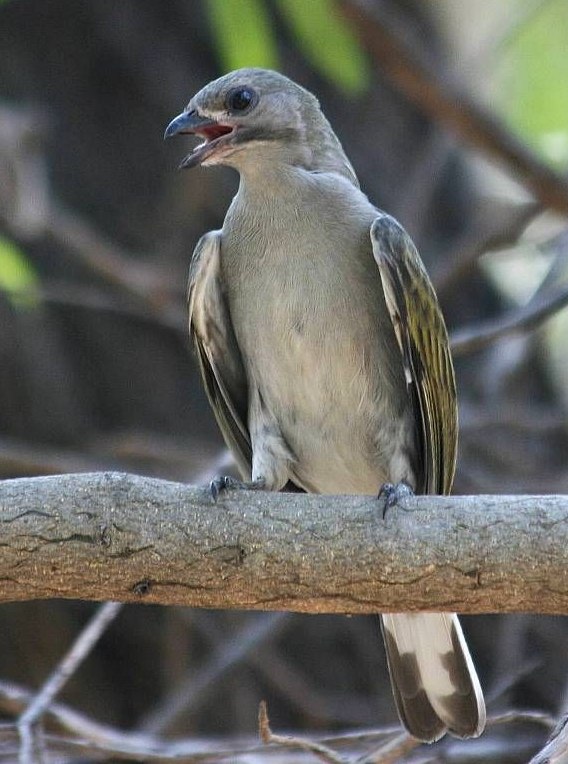
European Bee-eater
Merops garrulus
Order: Coraciiformes / Family: Meropidae

Wikimedia Commons
About the European Bee-eater
The European Bee-eater, scientifically known as Merops garrulus, is a striking bird renowned for its vivid coloration and remarkable agility. This species is part of the Meropidae family and the Coraciiformes order, known for its vibrant members. The European Bee-eater's significance extends beyond its aesthetic appeal, as its ecological role is vital in controlling insect populations, particularly bees and wasps, making it an essential component of the ecosystems it inhabits.
These birds breed in southern Europe and parts of North Africa, migrating to sub-Saharan Africa during the winter months. Their preferred habitats include open landscapes, such as riverbanks, grasslands, and farmlands, where they can find ample food and nesting sites. In regions like the Mediterranean, the European Bee-eater contributes to the biodiversity by participating in the pollination process, albeit indirectly, while managing insect populations that could otherwise become pests.
European Bee-eaters are social creatures, often seen in flocks during migration and breeding seasons. They engage in communal breeding, where several pairs may nest in proximity, enhancing their collective success. Their seasonal behaviors include elaborate courtship displays and cooperative feeding, where the birds showcase their impressive flying skills to catch insects mid-air. This aerial prowess not only aids in sustenance but also plays a role in mate selection, as females often choose partners based on their ability to provide food.
The European Bee-eater's ecological impact is profound, as it helps maintain a balance in insect populations, particularly during the summer months when these birds are breeding in Europe. By consuming large quantities of bees, wasps, and other flying insects, they prevent potential overpopulation and safeguard agricultural areas from pest outbreaks. This ecological service underscores the importance of conserving their habitats and ensuring the continued presence of these avian gems in their natural environments.
The European Bee-eater belongs to the family Meropidae, within the order Coraciiformes. These birds typically live average 5-7 years, with a maximum recorded of 10 years..
How to Identify a European Bee-eater
The European Bee-eater is a medium-sized bird, measuring about 27-29 cm in length with a wingspan of 44-49 cm. Its plumage is a stunning array of colors that make it unmistakable in its range. Adults display a vivid combination of green, blue, yellow, and chestnut, with a distinctive black eye mask and a curved black bill that aids in catching insects.
Juvenile European Bee-eaters possess a slightly duller version of the adult's vibrant plumage, with less pronounced chestnut and a shorter tail. Males and females appear almost identical, though females might exhibit slightly duller colors in some cases. This similarity means that gender identification in the field typically relies more on behavioral observations rather than visual cues.
When in flight, the European Bee-eater's silhouette is sleek, with pointed wings that enable agile and swift maneuvers. Its perching posture is upright, often observed on exposed branches or wires, where it surveys the area for flying insects. While similar species could include other bee-eaters, the European species' unique combination of colors and markings, along with its specific range, usually prevent misidentification.
Having trouble telling birds apart? Upload a photo to our bird identification tool for an instant species match.
European Bee-eater Habitat and Range
Preferred Habitat
European Bee-eaters thrive in open landscapes such as grasslands, shrublands, and agricultural fields. They prefer areas with soft, sandy soil, which is crucial for their nesting needs. Riverbanks and cliff sides are common sites for their colonies, as the birds excavate tunnels to create their nests.
These birds typically inhabit lowland regions, though they can be found at elevations up to 1000 meters. While they predominantly occupy rural areas, they occasionally venture into urban outskirts, especially when suitable habitat patches are available.
Seasonal shifts in habitat occur as European Bee-eaters migrate between breeding and wintering grounds. During the breeding season, they are often found near water sources in Europe and North Africa, while in winter, they move to savannas and open woodlands in sub-Saharan Africa, where their insect prey remains abundant.
Geographic Range
The European Bee-eater's breeding range spans southern Europe, including Spain, Portugal, Italy, Greece, and parts of Central and Eastern Europe, extending into the Middle East and North Africa. These birds are particularly abundant in the Mediterranean region, where their colorful presence is a familiar sight in summer.
During migration, they travel through parts of the Middle East and North Africa to reach their wintering grounds in sub-Saharan Africa, including countries like Senegal, Mali, and Nigeria. Some populations also winter in East Africa, extending to Tanzania and Kenya.
Migration corridors are well-established, with large flocks often observed crossing the Mediterranean Sea and the Sahara Desert. Key stopover sites include wetlands and coastal areas, where they can rest and refuel before continuing their journey. These migration patterns highlight the species' adaptability and resilience, as they traverse vast distances twice a year.
Want to know which birds visit your area? Browse our backyard birds by location guides for region-specific species lists.
What Does the European Bee-eater Eat?
The European Bee-eater's diet primarily consists of flying insects, with a preference for bees and wasps. They adeptly catch their prey mid-flight, using their specialized bills to subdue the insects before consumption. Their diet also includes beetles, dragonflies, and butterflies, which provide essential nutrients during the breeding season.
Seasonal diet changes occur as they migrate between regions. In breeding areas, they predominantly consume bees and wasps, which are abundant in summer. In wintering grounds, they diversify their diet to include a wider range of insects, ensuring they meet their energy needs.
European Bee-eaters employ a unique foraging technique known as aerial hawking, where they launch from a perch to snatch insects mid-air. They often return to the same perch to consume their catch, sometimes performing a quick shake to remove stingers from bees and wasps. This feeding schedule is most active during the day, taking advantage of peak insect activity.
European Bee-eater Behavior and Social Structure
European Bee-eaters exhibit a highly social structure, often forming large flocks during migration and in their breeding colonies. They display cooperative behaviors, such as communal roosting and shared feeding responsibilities, which enhance their survival and breeding success.
Territorial behavior is evident during the breeding season, where pairs defend their nesting sites vigorously against intruders. Courtship displays involve aerial acrobatics and food offerings from males to females, reinforcing pair bonds and ensuring successful mating.
These birds demonstrate flocking patterns, particularly during migration, where they travel in coordinated groups to maximize efficiency and safety. Their response to predators includes loud alarm calls and evasive flight maneuvers, often rallying together to deter threats.
Daily activity patterns reveal a preference for early morning and late afternoon foraging, coinciding with peak insect activity. The European Bee-eater's social interactions and communal lifestyle are key components of their ecological success, allowing them to thrive in diverse environments.
European Bee-eater Nesting and Reproduction
European Bee-eaters construct their nests in burrows dug into sandy banks or embankments. These tunnels can reach lengths of 1-2 meters, with a nesting chamber at the end where the eggs are laid. The choice of location favors soft soil that allows for easy excavation.
A typical clutch consists of 4-7 eggs, with incubation lasting around 20 days. Both parents share the responsibility of incubating the eggs and feeding the chicks, ensuring high levels of parental care. The chicks fledge approximately 30 days after hatching, though they remain dependent on the parents for a few weeks post-fledging.
European Bee-eaters typically raise one brood per year, although in some regions with longer breeding seasons, a second brood might occur. The communal aspect of their nesting behavior enhances protection against predators and increases the overall success of the colony.
European Bee-eater Sounds and Vocalizations
The primary song of the European Bee-eater is a series of melodious, rolling 'prrü-prrü' notes, delivered with a gentle, flute-like quality. These calls serve as communication between flock members and as a territorial signal during the breeding season.
Their call notes vary, including sharp 'klee' sounds used in alarm situations or to coordinate movements during flight. In dawn chorus behavior, the European Bee-eater's song blends with the sounds of other avian species, creating a complex tapestry of bird calls at sunrise.
Their vocalizations are essential for maintaining social cohesion within flocks and play a crucial role in the courtship and bonding process. The European Bee-eater's sounds, while distinct, can sometimes be confused with those of other bee-eater species, emphasizing the importance of context and habitat in accurate identification.
Interesting Facts About the European Bee-eater
- 1The European Bee-eater can consume up to 250 bees daily, showcasing its role in insect population control.
- 2Despite their name, European Bee-eaters migrate thousands of miles to winter in sub-Saharan Africa each year.
- 3These birds have specialized bills to aid in safely removing stingers from bees and wasps before consumption.
- 4European Bee-eaters often engage in cooperative breeding, where non-breeding individuals help raise chicks.
- 5Their vibrant plumage results from structural coloration, where microscopic structures reflect light to create colors.
European Bee-eater Conservation Status
The IUCN currently lists the European Bee-eater as a species of Least Concern, with stable population trends. However, threats such as habitat loss, pesticide use, and climate change could impact their numbers if not addressed. Conservation efforts focus on habitat preservation, particularly in breeding and stopover sites. Establishing protected areas and promoting sustainable agricultural practices help mitigate threats and ensure the species' continued success. Historical population changes have seen fluctuations due to environmental pressures, but recent conservation initiatives have contributed to their stability. Ongoing monitoring and research are vital to adapt conservation strategies to emerging challenges.