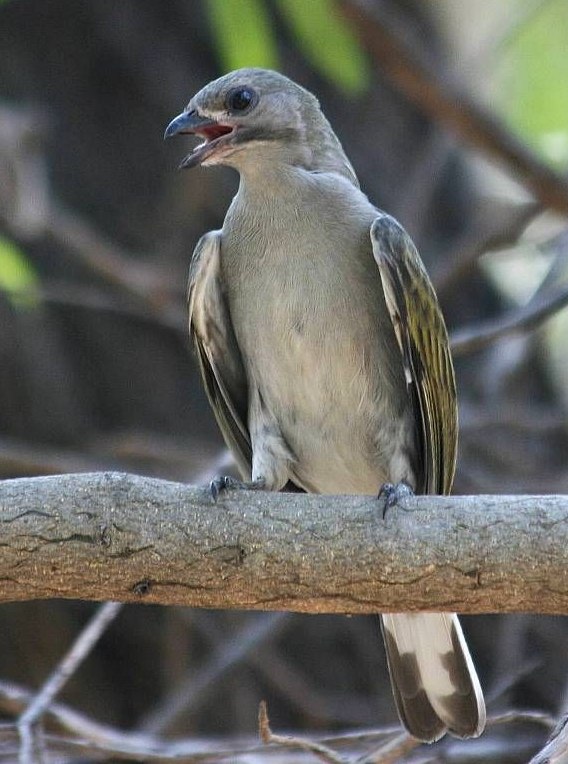
Red-throated Bee-eater
Merops bulocki
Order: Coraciiformes / Family: Meropidae

Wikimedia Commons
About the Red-throated Bee-eater
The Red-throated Bee-eater (Merops bulocki) is a striking member of the Meropidae family, known for its vibrant plumage and gregarious nature. This species is primarily found across the savannas and open woodlands of Sub-Saharan Africa, with significant populations in countries such as Senegal, Nigeria, and Cameroon. The bird plays a crucial ecological role as a predator of flying insects, particularly bees and wasps, which it catches mid-flight with remarkable agility. The presence of this species indicates a healthy insect population and a balanced ecosystem. The Red-throated Bee-eater is also integral to the control of insect populations, thus maintaining the ecological balance within its habitat.
Red-throated Bee-eaters exhibit seasonal behaviors that align with the availability of prey and breeding opportunities. During the wet season, when insect populations peak, these birds engage in intensive foraging and breeding activities. Their social structure becomes particularly evident during this time as they form large colonies, often nesting communally in riverbanks or sandy cliffs. This communal nesting behavior not only enhances reproductive success but also provides added protection against predators. The bird's vibrant colors and lively behavior make it a favorite among birdwatchers and nature enthusiasts, contributing to the eco-tourism industry in its native regions.
Despite their beauty and ecological importance, Red-throated Bee-eaters face several threats, including habitat loss due to agricultural expansion and deforestation. Conservation efforts focus on habitat preservation and the establishment of protected areas to ensure the survival of this colorful species. Understanding the patterns and behaviors of the Red-throated Bee-eater enhances our knowledge of savanna ecosystems and highlights the interconnectedness of species within these environments.
The Red-throated Bee-eater belongs to the family Meropidae, within the order Coraciiformes. These birds typically live average 5-7 years with a maximum recorded of 10 years..
How to Identify a Red-throated Bee-eater
The Red-throated Bee-eater is easily identifiable by its distinctive red throat, which contrasts sharply with its vivid green head and upperparts. The wings and back are predominantly green, with a hint of blue on the rump and tail. The underparts are a mix of white and buff, contributing to its striking appearance. Adult males and females are similar in appearance, although males may exhibit slightly brighter colors during the breeding season. Juveniles, on the other hand, have duller plumage and lack the characteristic red throat, which develops as they mature.
In flight, the Red-throated Bee-eater displays a graceful, agile silhouette with pointed wings and a slightly forked tail. This streamlined shape allows it to maneuver swiftly as it chases after insects. When perched, the bird often holds an upright posture, showcasing its bright colors and alert demeanor. Confusion with similar species such as the Swallow-tailed Bee-eater can occur, but the red throat and absence of a forked tail readily distinguish the Red-throated Bee-eater.
The bird's vivid coloration aids in its identification from a distance, even when perched among the foliage or on bare branches. Its behavior of sallying from exposed perches to catch insects mid-air further aids in its identification, as these dynamic foraging flights are characteristic of the bee-eater family.
Having trouble telling birds apart? Upload a photo to our bird identification tool for an instant species match.
Red-throated Bee-eater Habitat and Range
Preferred Habitat
Red-throated Bee-eaters inhabit open savannas, woodland edges, and riverine areas, thriving in environments where trees and open spaces are interspersed. These birds prefer elevations ranging from sea level to around 1,500 meters, where they can find suitable nesting sites and abundant insect prey. Seasonal shifts in habitat use occur as the birds follow insect populations, moving towards wetter areas during the dry season when insect availability decreases.
Though primarily found in rural and semi-rural settings, the Red-throated Bee-eater occasionally ventures into suburban gardens and parklands where conditions are favorable. However, it is less commonly observed in urban centers, as its habitat preferences lean towards less disturbed areas. The presence of open sandy banks or cliffs is crucial for nesting, thus influencing their distribution across regions with such geological features.
Geographic Range
The Red-throated Bee-eater's range extends across the northern regions of Sub-Saharan Africa. Breeding populations are prominent in countries such as Senegal, Gambia, Nigeria, and Cameroon, where they are a common sight during the breeding season. While not migratory in the traditional sense, these birds exhibit local movements driven by seasonal changes in food availability and breeding conditions.
During the non-breeding season, some populations may disperse over a broader area within their range, though they typically remain within the same general region. Population densities are highest in areas where suitable nesting sites coincide with rich insect resources, such as the Niger River Basin and regions around Lake Chad.
The bird's presence in these areas contributes to the rich avian biodiversity and highlights the ecological importance of maintaining these habitats. While not considered globally threatened, the Red-throated Bee-eater's range is affected by human activities that alter its natural environment.
Want to know which birds visit your area? Browse our backyard birds by location guides for region-specific species lists.
What Does the Red-throated Bee-eater Eat?
The diet of the Red-throated Bee-eater primarily consists of flying insects, with a strong preference for bees, wasps, and other hymenopterans. These birds also consume beetles, dragonflies, and butterflies, adjusting their diet based on seasonal prey availability. During the wet season, when insect populations surge, the bee-eaters forage extensively, feeding in flocks that enhance their efficiency in capturing prey.
The bee-eater employs a specialized foraging technique known as hawking, wherein it launches from a perch to snatch insects mid-flight. Prey size varies, but the bird typically targets insects that are small to medium-sized, ensuring they are manageable to handle and consume. Feeding occurs throughout the day, with peaks in activity during the cooler morning and late afternoon hours when insects are most active.
The bird's dietary habits contribute to its role as a natural pest controller, benefiting agricultural areas by reducing the populations of potentially harmful insects. This ecological service underscores the importance of conserving bee-eater populations and their habitats.
Red-throated Bee-eater Behavior and Social Structure
Red-throated Bee-eaters exhibit highly social behaviors, often forming large breeding colonies that can consist of dozens of pairs. These colonies are typically established in sandy banks or cliffs, where the birds excavate burrows for nesting. This communal lifestyle offers multiple advantages, including increased vigilance against predators and enhanced opportunities for cooperative breeding.
Territorial behavior is evident during the breeding season, with pairs defending their nesting sites from intruders. Courtship displays involve elaborate aerial chases and vocalizations, strengthening pair bonds and ensuring reproductive success. Outside of the breeding season, these birds often form loose flocks, foraging together in a display of social cohesion.
The Red-throated Bee-eater is diurnal, with activity patterns centered around foraging and social interactions. In response to predators, the birds rely on their agility and speed, often mobbing larger birds or other threats as a group. This collective defense strategy highlights their cooperative nature and enhances their survival prospects.
Red-throated Bee-eater Nesting and Reproduction
The nesting behavior of the Red-throated Bee-eater is closely tied to its choice of habitat, typically involving the excavation of burrows in sandy banks or cliffs. These burrows can extend several feet into the substrate, providing a secure environment for the eggs and chicks. The nesting site selection often occurs in colonies, with multiple pairs sharing the same general area.
A typical clutch consists of 3 to 5 eggs, with both parents sharing incubation duties over a period of approximately 21 days. After hatching, the chicks remain in the nest for about 30 days, during which time they are fed and cared for by both parents. Fledging occurs when the young birds leave the nest, although they continue to receive parental support for several weeks as they hone their flying and foraging skills.
The Red-throated Bee-eater generally raises one brood per year, though favorable conditions may lead to a second brood. The communal nature of their nesting sites reduces predation risk and enhances the overall reproductive success of the colony.
Red-throated Bee-eater Sounds and Vocalizations
The vocalizations of the Red-throated Bee-eater are characterized by a series of melodious and repetitive calls, often described as a ringing 'trill' or 'brrr' sound. These calls are integral to the bird's social interactions, serving as communication within flocks and between mates. Alarm calls are sharper and more urgent, alerting the colony to potential threats and prompting defensive behaviors.
The bird's song forms an essential part of its courtship display, with males vocalizing to attract females and establish pair bonds. During the dawn chorus, their calls contribute to the rich tapestry of sounds that define the savanna's morning atmosphere.
Their vocal repertoire, while not as varied as some songbirds, is nonetheless distinctive and adds to the charm of observing these vibrant birds in their natural habitat.
Interesting Facts About the Red-throated Bee-eater
- 1Red-throated Bee-eaters can catch and eat up to 250 insects a day, showcasing their efficient foraging skills.
- 2Their burrows can reach depths of over 2 meters, offering protection from predators and harsh weather.
- 3Bee-eaters have specialized stomach linings to handle and digest venomous insects like bees and wasps.
- 4These birds often remove the stingers and venom sacs of bees by repeatedly hitting them against a hard surface.
- 5The species plays a key role in controlling agricultural pests, benefiting local farming communities.
- 6Red-throated Bee-eaters engage in cooperative breeding, with non-breeding individuals helping to feed chicks.
- 7Their vibrant plumage helps in species identification and plays a role in social signaling within colonies.
Red-throated Bee-eater Conservation Status
The Red-throated Bee-eater is currently classified as Least Concern by the IUCN, with stable population trends across most of its range. However, localized threats such as habitat destruction due to agricultural expansion and deforestation pose significant challenges to maintaining stable populations. Conservation efforts are focused on habitat protection, particularly the preservation of nesting sites in riverine and savanna environments. Protected areas and community-based conservation initiatives play a crucial role in safeguarding the habitats essential for the survival of this species. Monitoring population trends and raising awareness about the ecological importance of the Red-throated Bee-eater are critical components of ongoing conservation strategies. Historically, this species has managed to adapt to changing environmental conditions, but continued vigilance is necessary to ensure its long-term survival amid increasing anthropogenic pressures.