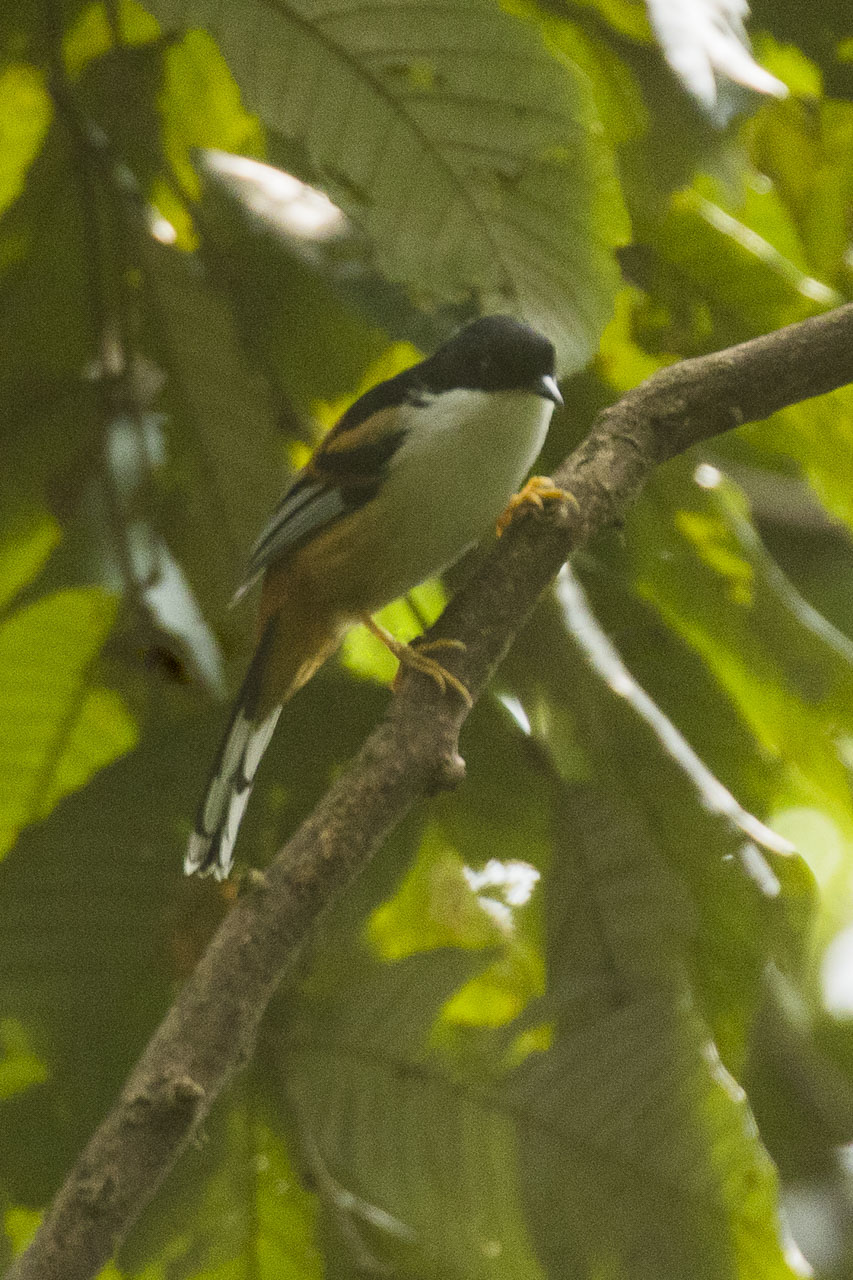
Scarlet-faced Liocichla
Liocichla ripponi
Order: Passeriformes / Family: Leiothrichidae

Wikimedia Commons
About the Scarlet-faced Liocichla
The Scarlet-faced Liocichla (Liocichla ripponi) is a striking bird within the Leiothrichidae family, easily recognized by its vibrant scarlet face. This species prefers the subtropical and tropical moist montane forests of Southeast Asia, particularly in regions like Myanmar, Thailand, and southern China. Its presence in these biodiverse habitats underscores its ecological importance as both a seed disperser and insect predator.
In the montane forests, the Scarlet-faced Liocichla plays a crucial role in maintaining the ecological balance. By consuming a variety of insects and seeds, it aids in controlling insect populations and promoting plant diversity through seed dispersal. These birds are also an integral part of the avian community, often participating in mixed-species flocks, which enhances their foraging efficiency and protection against predators.
Seasonally, the Scarlet-faced Liocichla remains relatively sedentary, with minimal migrations observed. However, during the breeding season, which peaks from April to June, their territorial behavior becomes more pronounced. Males engage in vocal displays to establish dominance and attract mates, while both sexes participate in nest building and rearing young. The Scarlet-faced Liocichla's adaptability to various elevations, typically ranging from 1,200 to 2,800 meters, highlights its resilience in varying environmental conditions.
The Scarlet-faced Liocichla belongs to the family Leiothrichidae, within the order Passeriformes. These birds typically live average 5-8 years with a maximum of 10 years recorded..
How to Identify a Scarlet-faced Liocichla
Adult Scarlet-faced Liocichlas exhibit striking plumage with olive-green upperparts and a bright scarlet face, which is a hallmark of the species. Their wings are adorned with a mix of red, yellow, and black, creating a vivid contrast against their generally greenish body. The tail is relatively long and tinged with red and black, adding to their distinctive appearance.
Juveniles, while similar in overall shape and size to adults, display duller plumage with less pronounced red on the face. This difference in appearance helps them blend more easily into their surroundings, offering some protection from predators.
Sexual dimorphism is subtle in this species, with males and females looking quite similar. However, males may exhibit slightly more intense coloration during the breeding season. In flight, the Scarlet-faced Liocichla shows a characteristic silhouette with rounded wings and a slightly undulating flight pattern. When perched, they maintain an upright posture, often flicking their tails as they observe their surroundings.
Having trouble telling birds apart? Upload a photo to our bird identification tool for an instant species match.
Scarlet-faced Liocichla Habitat and Range
Preferred Habitat
The Scarlet-faced Liocichla predominantly inhabits subtropical and tropical moist montane forests, often found at elevations ranging from 1,200 to 2,800 meters. These birds thrive in dense undergrowth where they can forage and nest with some protection from predators. Typical habitats include the forested slopes of the Eastern Himalayas and the mountainous regions of northern Thailand and Myanmar.
While they primarily reside in forested areas, the Scarlet-faced Liocichla can sometimes be found in secondary growth and shrublands, especially when these areas border their preferred forest habitats. Unlike some bird species, they show little inclination for urban environments, favoring the complex structure of natural habitats.
Seasonal habitat shifts are minimal, as the Scarlet-faced Liocichla is largely resident throughout its range. However, slight altitudinal movements may occur in response to seasonal food availability and climatic conditions.
Geographic Range
The Scarlet-faced Liocichla's range is largely confined to Southeast Asia, with significant populations in Myanmar, northern Thailand, and southern China. This bird is a resident breeder in the montane forests of these regions, showing a preference for the rich biodiversity offered by the mountainous landscapes.
There is no substantial evidence of migratory behavior, as the Scarlet-faced Liocichla tends to remain within its established range year-round. However, some local movements might occur, particularly in response to food availability and breeding requirements.
The species is most densely populated in areas where suitable habitats are abundant, such as the highlands of northern Thailand and the forests of Yunnan in China. These regions provide the necessary conditions for breeding and feeding, supporting stable populations of the Scarlet-faced Liocichla.
Want to know which birds visit your area? Browse our backyard birds by location guides for region-specific species lists.
What Does the Scarlet-faced Liocichla Eat?
The Scarlet-faced Liocichla primarily feeds on a diverse diet of insects and seeds. Insects such as beetles, caterpillars, and ants constitute a significant portion of their diet, providing essential proteins and nutrients. These birds exhibit agile foraging techniques, often seen hopping among branches and leaf litter in search of prey.
During the breeding season, when energy demands are higher, the Scarlet-faced Liocichla may increase its intake of insects to support its young. Outside the breeding season, seeds and fruits gain prominence in their diet, showcasing their adaptability to seasonal changes in food availability.
Foraging typically occurs in the early morning and late afternoon, aligning with peak insect activity. This schedule maximizes their foraging success while minimizing exposure to midday heat. The Scarlet-faced Liocichla's ability to exploit a variety of food sources underscores its role in seed dispersal and pest control within its ecosystem.
Scarlet-faced Liocichla Behavior and Social Structure
The Scarlet-faced Liocichla exhibits a social structure characterized by small family groups or pairs, particularly during the breeding season. These birds are known for their territorial behavior, with males defending their nesting territories through vocal displays and occasional physical confrontations.
Courtship displays involve males singing complex songs to attract females and establish dominance. Once paired, both sexes participate in nest building, with the female taking on the primary role of incubating eggs while the male provides food.
Flocking behavior is common outside the breeding season, with Scarlet-faced Liocichlas often joining mixed-species flocks. This behavior enhances foraging efficiency and offers protection against predators. In response to threats, these birds rely on alarm calls and swift, agile flights to evade danger.
Daily activity patterns of the Scarlet-faced Liocichla align with dawn and dusk, times when they are most active in foraging and social interactions. This crepuscular activity helps them avoid the heat of midday and capitalize on the cooler, more productive hours of the day.
Scarlet-faced Liocichla Nesting and Reproduction
Nesting for the Scarlet-faced Liocichla occurs primarily during the breeding season from April to June. These birds construct cup-shaped nests using grasses, leaves, and plant fibers, often placing them in dense shrubbery or low-lying branches for concealment.
Clutches typically consist of 2 to 4 eggs, with an incubation period of about 14 days. Both parents share responsibilities, though the female primarily incubates the eggs. After hatching, the nestlings remain in the nest for approximately 12 to 14 days before fledging.
Parental care extends beyond fledging, with both parents actively feeding and protecting the young as they learn to forage independently. The Scarlet-faced Liocichla usually raises one brood per year, although occasional second broods may occur if conditions are favorable.
Scarlet-faced Liocichla Sounds and Vocalizations
The primary song of the Scarlet-faced Liocichla is a melodious and complex series of whistles and trills, often delivered from a concealed perch within dense foliage. The rhythm is steady, with a clear, flute-like quality that carries well through the forest.
Call notes consist of sharp, distinctive 'tsee-tsee' sounds, used for communication within pairs or groups. Alarm calls are harsher and more urgent, designed to alert other birds to potential threats.
During the dawn chorus, the Scarlet-faced Liocichla's song stands out among the cacophony of forest sounds, marking its presence and asserting its territory. The richness and variety of its vocalizations make it an engaging subject for birders and naturalists alike.
Interesting Facts About the Scarlet-faced Liocichla
- 1The Scarlet-faced Liocichla's striking red face is not only a visual identifier but also plays a role in social signaling and mate attraction.
- 2Despite their vivid coloration, Scarlet-faced Liocichlas are remarkably adept at remaining undetected within dense forest undergrowth.
- 3These birds are known to engage in 'anting,' a behavior where they use ants to clean their feathers, a practice observed in various bird species.
- 4The Scarlet-faced Liocichla is often a focal point in avian biodiversity studies due to its presence in diverse montane forest ecosystems.
- 5Their melodious song serves as a key indicator of forest health and biodiversity, often used in ecological monitoring efforts.
Scarlet-faced Liocichla Conservation Status
Currently, the Scarlet-faced Liocichla holds a status of Least Concern on the IUCN Red List. While its population trend is stable, certain threats such as habitat loss due to deforestation and land conversion pose ongoing challenges. Conservation efforts in the bird's range focus on protecting forest habitats and promoting sustainable land use practices. In regions like Myanmar and Thailand, these efforts include establishing protected areas and community-based conservation initiatives. Historically, the Scarlet-faced Liocichla has maintained stable populations due to its adaptability to various forested environments. Continued conservation measures are essential to ensure its long-term survival amid increasing environmental pressures.
Other Leiothrichidae Species

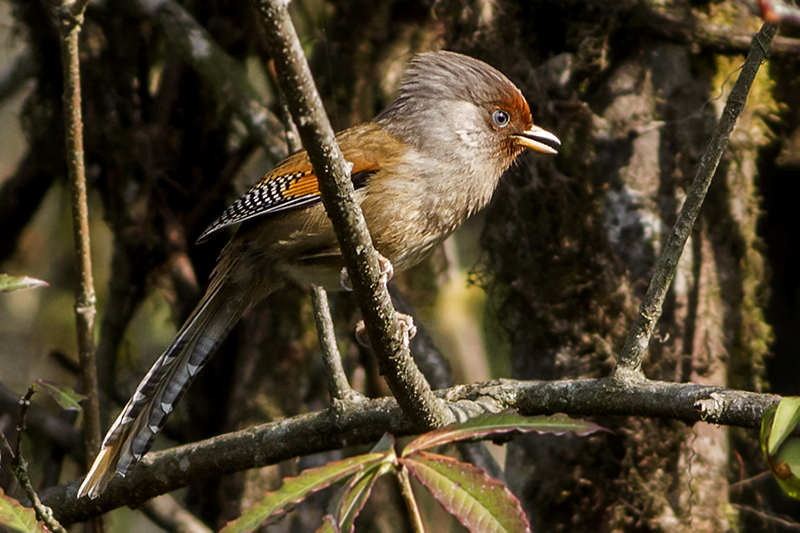

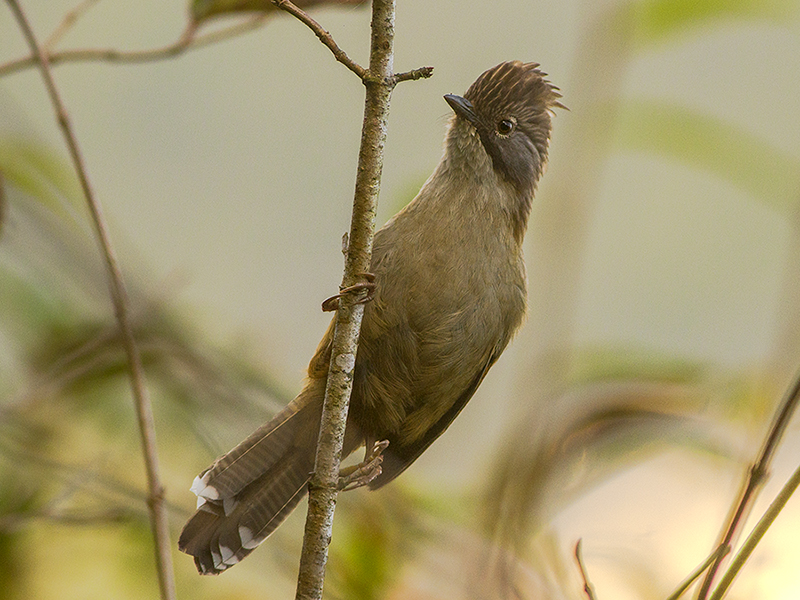
Birds Similar to the Scarlet-faced Liocichla
These species are often confused with the Scarlet-faced Liocichla due to similar appearance or overlapping range.