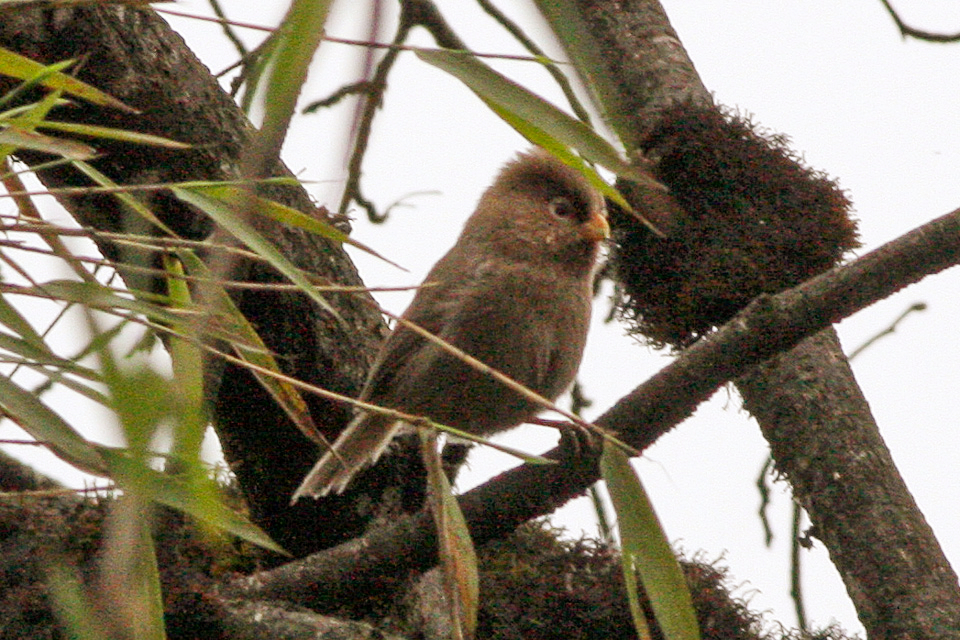
Yellow Sylvia
Sylvia flavicans
Order: Passeriformes / Family: Sylviidae

Wikimedia Commons
About the Yellow Sylvia
The Yellow Sylvia, scientifically referred to as Sylvia flavicans, is a strikingly vibrant member of the Sylviidae family. This small songbird is renowned not only for its vivid yellow plumage but also for its melodious and complex song. These birds primarily inhabit the temperate and subtropical regions of Europe and western Asia, where they thrive in a variety of environments ranging from open woodlands to shrublands. During the breeding season, Yellow Sylvias are commonly found in deciduous forests, especially those with abundant undergrowth, which provides them with ample nesting sites and food resources.
Yellow Sylvias play a significant ecological role as insectivores, helping control insect populations in their habitats. They are particularly important during the spring and summer months when their feeding activities coincide with the peak insect breeding season. By preying on a wide variety of insects, Yellow Sylvias contribute to maintaining the ecological balance within their ecosystems. Furthermore, their presence in diverse habitats from lowland forests to upland areas highlights their adaptability to different environmental conditions.
Seasonal behaviors of the Yellow Sylvia are marked by distinct changes in activity and habitat preference. During the breeding season, these birds engage in elaborate courtship displays accompanied by vigorous singing, which serves both to attract mates and to establish territories. As autumn approaches, Yellow Sylvias commence their migration to milder climates, with some populations traveling considerable distances to reach their wintering grounds in southern Europe and northern Africa. This migration is a critical phase of their annual cycle, influencing their survival and reproductive success in subsequent seasons.
The Yellow Sylvia belongs to the family Sylviidae, within the order Passeriformes. These birds typically live typically 3-5 years, with a maximum recorded of 7 years..
How to Identify a Yellow Sylvia
Adult Yellow Sylvias are characterized by their bright yellow plumage, which covers the chest and underparts. The upperparts are more subdued, with olive-green tones that help them blend into their wooded surroundings. Both males and females exhibit similar coloration, though males tend to have slightly more vibrant yellow hues during the breeding season. Juvenile Yellow Sylvias, on the other hand, display a duller and more muted coloration, with a less distinct yellow hue and more brownish tones, which provides them with better camouflage from predators.
In flight, the Yellow Sylvia exhibits a distinctive silhouette with its relatively short, rounded wings and long tail. This flight pattern is typically fluttery and undulating, a behavior that can aid birdwatchers in identifying them from a distance. When perched, these birds often adopt a slightly upright posture, frequently flicking their tails and wings, adding to their lively demeanor.
Yellow Sylvias can sometimes be confused with other small yellow songbirds, such as the Eurasian Siskin or various species of warblers. However, their unique combination of bright yellow underparts and olive-green upperparts, along with their specific habitat preferences, helps distinguish them from other similar species. Observing these field marks closely can aid birdwatchers in correctly identifying the Yellow Sylvia.
Having trouble telling birds apart? Upload a photo to our bird identification tool for an instant species match.
Yellow Sylvia Habitat and Range
Preferred Habitat
Yellow Sylvias inhabit diverse environments, with a preference for deciduous and mixed woodlands featuring dense undergrowth. They are commonly found at elevations ranging from sea level to 1500 meters, depending on regional climate and vegetation. During the breeding season, they favor areas with abundant shrubs and young trees, which provide both foraging opportunities and cover for nests.
In winter, Yellow Sylvias may shift to lower elevations and more open habitats as they migrate to warmer regions. They are less commonly observed in urban areas, though they may occasionally visit gardens and parks where suitable vegetation is present. Their ability to adapt to different environments ensures their widespread distribution across various landscapes.
Geographic Range
The breeding range of the Yellow Sylvia spans across Europe and extends into western Asia. Countries such as France, Germany, and Poland host substantial breeding populations, with birds favoring regions rich in deciduous forests. The eastern boundary of their range reaches into parts of Russia, where suitable habitats are available.
During winter, Yellow Sylvias migrate southward to escape the harsh European winters. They travel to southern Europe, including Spain and Italy, and as far as northern Africa, where milder climates provide them with abundant food resources. Migration corridors often include key stopover sites in the Mediterranean, where birds rest and refuel before continuing their journey.
Population density hotspots typically align with areas of optimal habitat, such as the forested regions of central Europe, where diverse plant species support a rich insect fauna.
Want to know which birds visit your area? Browse our backyard birds by location guides for region-specific species lists.
What Does the Yellow Sylvia Eat?
The diet of the Yellow Sylvia primarily consists of insects and other small invertebrates. During the breeding season, they focus on soft-bodied insects like caterpillars and spiders, which provide essential nutrients for both adults and their growing chicks. As the seasons change, their diet may expand to include fruits and berries when insects become less abundant.
Yellow Sylvias employ a variety of foraging techniques, often seen gleaning insects from leaves and branches. They may also engage in aerial sallying, catching flying insects mid-air with agile maneuvers. Prey size varies, with the birds targeting small to medium-sized insects, ensuring they meet their nutritional needs as they prepare for migration or the breeding season.
Feeding schedules are generally flexible, with Yellow Sylvias foraging throughout the day, although activity peaks in the morning and late afternoon when insect activity is highest.
Yellow Sylvia Behavior and Social Structure
Yellow Sylvias exhibit a range of behaviors that reflect their social structure and ecological adaptations. During the breeding season, they are notably territorial, with males singing persistently to establish and defend their territories from rivals. These territorial displays are often accompanied by physical posturing and chasing of intruders.
Courtship displays are elaborate, involving both vocal and visual components. Males perform fluttering flights and display their vibrant plumage to attract females. Once paired, Yellow Sylvias engage in cooperative nesting and feeding activities, with both parents sharing responsibilities.
In terms of social behavior, Yellow Sylvias can be quite solitary outside of the breeding season, although they may form small flocks during migration. Their response to predators includes alarm calling and evasive maneuvers, utilizing their agility to avoid capture. Daily activity patterns include periods of rest and preening, interspersed with active foraging.
Yellow Sylvia Nesting and Reproduction
The Yellow Sylvia constructs an open cup nest, typically situated in dense shrubs or low tree branches. Nest materials primarily consist of grasses, twigs, and spider silk, which provide structural integrity and camouflage. Nests are usually built at heights ranging from 1 to 3 meters above ground, offering protection from ground predators while remaining accessible for feeding.
Clutch sizes range from three to five eggs, with incubation lasting approximately 12 to 14 days. Both parents participate in incubation and feeding of the young, ensuring efficient care and feeding. The fledging period lasts about 10 to 12 days after hatching, during which time the chicks grow rapidly, benefiting from the high-protein diet provided by their insectivorous parents.
The Yellow Sylvia typically raises one to two broods per year, depending on environmental conditions and food availability. Parental roles are well-defined, with both male and female contributing to brood care and territory defense.
Yellow Sylvia Sounds and Vocalizations
The primary song of the Yellow Sylvia is a melodious series of warbling notes, characterized by a varied rhythm and clear, fluting quality. This song is often delivered from a prominent perch, serving both as a territorial marker and a mating call. Call notes are sharp and distinctive, used primarily for communication between mates and signaling alarm.
The alarm call is a staccato series of 'chip' or 'tick' sounds, alerting nearby birds to potential threats. During the dawn chorus, Yellow Sylvias are particularly vocal, their songs contributing to the vibrant soundscape of their habitats. Their vocalizations are reminiscent of other warblers, though generally more varied and musical.
Interesting Facts About the Yellow Sylvia
- 1The Yellow Sylvia can travel over 3000 kilometers during its annual migration from Europe to Africa.
- 2Despite their small size, Yellow Sylvias have a surprisingly loud and complex song that can carry over long distances.
- 3Young Yellow Sylvias learn their songs from adult males, developing their own unique variations as they mature.
- 4These birds are known to consume more than 50 different insect species, showcasing their dietary versatility.
- 5Yellow Sylvias often use spider silk in their nests, which acts as a natural adhesive and structural support.
- 6During migration, Yellow Sylvias can lose up to 30% of their body weight, which they quickly regain upon reaching their wintering grounds.
- 7Yellow Sylvias have adapted to a wide range of habitats, making them one of the more widespread members of the Sylviidae family.
Yellow Sylvia Conservation Status
Currently, the IUCN lists the Yellow Sylvia as a species of Least Concern, reflecting a stable population trend across its range. Despite this status, habitat loss due to deforestation and agricultural expansion poses a significant threat to local populations, particularly in regions where suitable breeding habitats are scarce. Conservation efforts focus on habitat preservation and restoration, particularly in areas of high biodiversity value. Historical population changes have been minimal, although monitoring continues to ensure that any future declines are swiftly addressed. Public awareness campaigns and legal protections for key habitats support the ongoing conservation of this vibrant songbird.