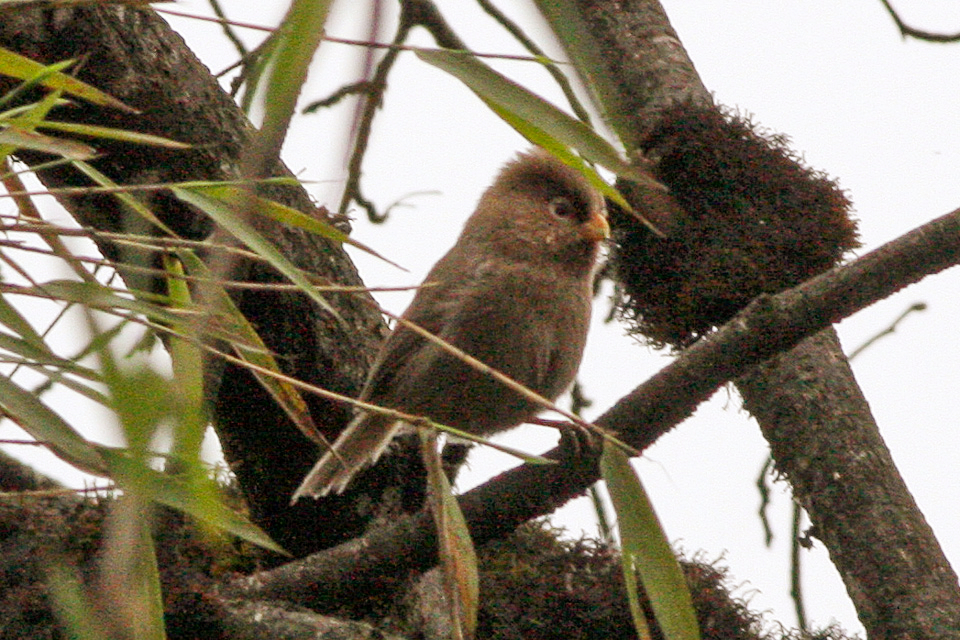
Sylvia minuta
Sylvia minuta
Order: Passeriformes / Family: Sylviidae

Wikimedia Commons
About the Sylvia minuta
The Sylvia minuta, commonly referred to as the minute warbler, is a captivating avian species belonging to the family Sylviidae. This bird, though diminutive in stature, plays a significant role in the ecosystems it inhabits. Sylvia minuta thrives predominantly in the temperate regions of Eastern Europe and Western Asia, where it inhabits deciduous woodlands and dense shrublands. Its presence is a vital indicator of healthy forest ecosystems, as it actively participates in pest control by consuming large quantities of insects. Seasonal behavior of the Sylvia minuta is characterized by its migratory patterns. During the spring and summer months, this warbler is a common sight in its breeding grounds, which include countries such as Poland, Ukraine, and the western parts of Russia. As autumn approaches, it embarks on an extensive journey to its wintering grounds in the Mediterranean and North Africa, including regions such as southern Spain and northern Morocco. This migration is a critical aspect of its lifecycle, allowing it to exploit seasonal food resources and avoid harsh winters. The ecological role of Sylvia minuta extends beyond pest control. As a prey species, it supports a variety of avian and mammalian predators. Its presence in diverse habitats contributes to the intricate web of life, maintaining the balance between predator and prey populations. Additionally, its nesting behavior influences vegetation dynamics, as it prefers to build nests in dense foliage, promoting plant growth and diversity. The Sylvia minuta's significance also extends to the field of ornithology and birdwatching. Its elusive nature and melodious song make it a sought-after species for bird enthusiasts and researchers alike. Observing its courtship displays and territorial behaviors provides valuable insights into avian ecology and behavior. Overall, the Sylvia minuta exemplifies the intricate connections between species and their environments, highlighting the importance of biodiversity conservation.
The Sylvia minuta belongs to the family Sylviidae, within the order Passeriformes. These birds typically live average 3-5 years, with a maximum recorded of 7 years..
How to Identify a Sylvia minuta
The Sylvia minuta is a small warbler, measuring approximately 11-12 cm in length, with a wingspan of 15-17 cm. Its plumage is understated, featuring a blend of gray and brown that provides excellent camouflage in its wooded habitats. Adult Sylvia minuta display a subtle grayish-brown on their upperparts, while their underparts are a softer, buffy-white color. The eye is a distinguishing feature, surrounded by a faint white eye-ring that enhances its alert expression. Juvenile Sylvia minuta can be differentiated by their less distinct plumage, often appearing more mottled and lacking the crispness of adult markings. Males and females exhibit slight differences, with males typically having a slightly brighter and more pronounced color contrast, although this can be subtle. When in flight, Sylvia minuta presents a quick, undulating flight pattern, typical of many small warblers. Its wings appear rounded, and the tail is relatively short, aiding in its agile movements through dense foliage. Perched, this warbler maintains a low, horizontal posture, often flicking its tail gently as it surveys its surroundings. Confusion with similar species can occur, particularly with other members of the genus Sylvia. However, the Sylvia minuta's smaller size and specific song patterns help distinguish it from close relatives like the common whitethroat.
Having trouble telling birds apart? Upload a photo to our bird identification tool for an instant species match.
Sylvia minuta Habitat and Range
Preferred Habitat
Sylvia minuta primarily inhabits dense deciduous woodlands and shrublands, favoring areas with abundant undergrowth. These habitats provide both food and protection, allowing the warbler to thrive. It is often found at low to moderate elevations, generally below 1,500 meters, where the climate remains temperate. During the breeding season, Sylvia minuta chooses habitats rich in shrubs and small trees, which provide ideal nesting sites. In contrast, its wintering habitats, such as those in southern Spain and northern Morocco, often include lowland scrub and semi-arid regions, where it can continue to forage effectively. Despite its adaptability, Sylvia minuta is rarely found in urban settings, preferring the seclusion and resources of rural landscapes. Seasonal habitat shifts are evident, with the bird moving from its breeding grounds in Eastern Europe to the milder climates of Mediterranean scrublands during the winter.
Geographic Range
The breeding range of Sylvia minuta spans Eastern Europe and Western Asia, including Poland, Ukraine, and western Russia. These regions offer optimal conditions for nesting and rearing young, with abundant food supplies during spring and summer. As autumn approaches, Sylvia minuta migrates to its wintering range in the Mediterranean Basin and North Africa. Countries such as southern Spain, northern Morocco, and parts of Algeria become temporary homes for this species, where milder winters and suitable foraging conditions prevail. Sylvia minuta follows established migration corridors, often traveling along the western Black Sea route, which provides essential stopover sites. Population density hotspots during breeding include regions of mixed woodland and shrubland in countries like Belarus and northern Bulgaria, where the warbler is most commonly encountered. During winter, it becomes concentrated in coastal and lowland scrub areas, where food availability is highest.
Want to know which birds visit your area? Browse our backyard birds by location guides for region-specific species lists.
What Does the Sylvia minuta Eat?
Sylvia minuta primarily feeds on insects, making it an important player in controlling pest populations. Its diet consists of various insects, including caterpillars, beetles, and spiders, which it gleans from leaves and branches. During the breeding season, when energy demands are high, Sylvia minuta increases its intake of protein-rich insects, supporting its reproductive efforts. As the seasons change and it migrates to wintering grounds, its diet diversifies to include small fruits and berries, supplementing the reduced availability of insects. This seasonal dietary shift helps sustain Sylvia minuta during migration and in winter habitats. Foraging occurs mainly in the early morning and late afternoon, when insect activity is at its peak. The warbler employs a methodical approach, moving quickly through vegetation to snatch prey from foliage.
Sylvia minuta Behavior and Social Structure
Sylvia minuta exhibits a complex social structure and territorial behavior, particularly during the breeding season. Males establish and defend territories through song and display, often engaging in aerial chases to ward off rivals. These territories serve as critical nesting sites and food resources, ensuring the successful rearing of young. Courtship displays are a notable aspect of Sylvia minuta's behavior. Males perform a series of flights and vocalizations to attract females, showcasing their fitness and establishing pair bonds. Once paired, Sylvia minuta is generally monogamous, with both sexes participating in nest building and chick rearing. Outside the breeding season, Sylvia minuta becomes more sociable, forming loose flocks during migration and winter. These flocks provide safety in numbers, reducing the risk of predation. When faced with predators, Sylvia minuta employs a combination of vocal alarms and evasive flight to escape danger. Its daily activity patterns are diurnal, with peak activity occurring during the cooler parts of the day.
Sylvia minuta Nesting and Reproduction
Sylvia minuta constructs cup-shaped nests, meticulously woven from grass, twigs, and lined with softer materials like feathers. These nests are typically positioned low in dense shrubs or small trees, providing concealment from predators. The preferred nesting height ranges from 1 to 3 meters above the ground. A typical clutch consists of 3-5 eggs, which are pale and speckled, blending with the nest's interior. The incubation period lasts approximately 12-14 days, primarily undertaken by the female, while the male assists by bringing food. After hatching, both parents engage in feeding and caring for the chicks. Fledging occurs approximately 10-12 days post-hatching, although young birds may remain dependent on their parents for some time. Sylvia minuta can raise up to two broods per year, depending on food availability and environmental conditions.
Sylvia minuta Sounds and Vocalizations
The primary song of the Sylvia minuta is a series of soft, melodic warbles, interspersed with clearer notes. It is delivered with a gentle rhythm and pitch, often likened to the distant tinkling of a small bell. Call notes are less complex, featuring short, repetitive 'chip' sounds used for communication between mates or alerting others to potential threats. Alarm calls become more rapid and insistent when predators are near, serving as a warning to conspecifics. During the dawn chorus, Sylvia minuta's song stands out, providing a delightful auditory experience for those fortunate enough to hear it.
Interesting Facts About the Sylvia minuta
- 1Sylvia minuta can travel over 2,000 kilometers during its migration from Europe to North Africa.
- 2The minute warbler's nest construction is so meticulous that it can take up to a week to complete.
- 3Despite its size, Sylvia minuta can consume hundreds of insects in a single day, highlighting its role in pest control.
- 4The warbler's song can be heard over 100 meters away, making it easier to locate in dense foliage.
- 5Sylvia minuta often uses the same migration routes year after year, demonstrating strong navigational abilities.
- 6During courtship, males perform up to 50 flights per day to attract a mate, showcasing their stamina.
- 7Juvenile Sylvia minuta can fledge as soon as 10 days after hatching, one of the quickest fledging times among small warblers.
Sylvia minuta Conservation Status
The Sylvia minuta currently holds a status of Least Concern on the IUCN Red List, with a stable population trend across its range. However, habitat loss due to agricultural expansion and deforestation poses a growing threat. Conservation efforts focus on preserving key habitats, particularly in breeding and wintering areas. Historical population changes have shown resilience, but continued monitoring is essential to ensure long-term stability. Protection of migratory corridors is also crucial, as these pathways are vital for the species' survival and successful breeding.