
Western Subalpine Warbler
Curruca iberiae
Order: Passeriformes / Family: Sylviidae

Wikimedia Commons
About the Western Subalpine Warbler
The Western Subalpine Warbler (Curruca iberiae) is a small, agile bird primarily found in southern Europe and parts of North Africa. This species, notable for its striking plumage and melodious song, is a member of the Sylviidae family. Traditionally, ornithologists recognized it as part of the broader Subalpine Warbler complex until recent taxonomic revisions distinguished it as a separate species. The Western Subalpine Warbler inhabits a range of shrubby environments, from coastal maquis to montane scrub, favoring areas abundant with dense undergrowth. Its presence is significant for maintaining the ecological balance of these habitats, as it contributes to insect population control. During the breeding season, males perform vigorous territorial displays to attract mates. These displays include a series of perches interspersed with bursts of song, creating an acoustic signature that marks their territory. In terms of seasonal behavior, the Western Subalpine Warbler is migratory, spending the breeding months in Europe and wintering in the southern Mediterranean regions and northern Africa. This migration is crucial, as it showcases the bird's adaptability to different climates and its role in various ecosystems. The bird's diet mainly comprises insects, which it skillfully captures among the foliage, playing a critical role in managing insect populations. Its ecological significance extends beyond pest control, as it also aids in the pollination of certain plant species by feeding on nectar, inadvertently transferring pollen. The Western Subalpine Warbler's adaptability to Mediterranean climates, alongside its distinctive vocalizations and behaviors, makes it a fascinating subject for both amateur birdwatchers and seasoned ornithologists.
The Western Subalpine Warbler belongs to the family Sylviidae, within the order Passeriformes. These birds typically live average 3-5 years with a maximum recorded of 10 years..
How to Identify a Western Subalpine Warbler
The Western Subalpine Warbler is a small songbird, measuring approximately 12 to 14 centimeters in length, with a wingspan ranging from 18 to 21 centimeters. Adult males exhibit a distinctive slate-gray plumage on the head and upperparts, contrasted by a white throat and a reddish-brown chest and flanks. The red eye-ring is a key identifying feature, adding to the bird's striking appearance. Females and juveniles differ slightly, with more muted coloration. Females have a browner tone on the upperparts and a less pronounced red on the flanks, while juveniles often present a more uniform brown-gray body lacking the adult male's vibrant contrast. These differences can help distinguish between ages and sexes in the field. The Western Subalpine Warbler's flight silhouette is characterized by a relatively short tail and rounded wings, which it uses adeptly as it flits through shrubbery. When perched, the bird often adopts an upright posture, allowing birders to observe its distinctive plumage and red eye-ring more clearly. In terms of confusion with similar species, the Eastern Subalpine Warbler (Curruca cantillans) may pose an identification challenge. However, the Western variant typically shows a redder tone on the breast and a more prominent gray head. Such subtle distinctions are crucial for accurate identification during field observations.
Having trouble telling birds apart? Upload a photo to our bird identification tool for an instant species match.
Western Subalpine Warbler Habitat and Range
Preferred Habitat
The Western Subalpine Warbler favors Mediterranean-type habitats characterized by dense undergrowth and scrubby vegetation. Typical environments include coastal maquis, mountain shrublands, and garrigue. These areas provide essential cover and food sources. Elevationally, the species ranges from sea level up to 1,800 meters, adapting to a variety of landscapes. Seasonal shifts in habitat use occur as the bird migrates. During the breeding season, it resides in more temperate zones within Europe, while winter sees it moving to warmer, southern locales such as the northern African scrublands. In urban areas, the Western Subalpine Warbler is less common, although it may occasionally venture into gardens and parks that offer suitable cover. Rural regions with extensive natural shrub cover are more likely to host this warbler. Its preference for dense vegetation reflects its reliance on such environments for nesting and foraging.
Geographic Range
The Western Subalpine Warbler's breeding range extends across southern Europe, particularly in countries like Spain, Portugal, southern France, and parts of Italy. During the non-breeding season, it migrates to the southern reaches of the Mediterranean Basin and northern Africa, with key wintering grounds in Morocco, Algeria, and Tunisia. Migration corridors often include stopovers in southern France and the Iberian Peninsula, where passage migrants can be observed in significant numbers. Population density is highest in the Iberian Peninsula, where the bird finds abundant suitable habitat. While it remains primarily within the Mediterranean region, occasional vagrants may appear farther north, although these instances occur infrequently. Understanding the range of the Western Subalpine Warbler is crucial for conservation efforts, as it highlights areas where habitat protection can most effectively support the species.
Want to know which birds visit your area? Browse our backyard birds by location guides for region-specific species lists.
What Does the Western Subalpine Warbler Eat?
The Western Subalpine Warbler primarily consumes insects, aligning with its role as an insectivore. Common prey includes caterpillars, beetles, aphids, and spiders, which it forages expertly among shrubs and low vegetation. During the breeding season, the need for protein-rich food increases, prompting the warbler to focus intensely on insect hunting. As autumn approaches, its diet diversifies slightly to include small berries and fruits, taking advantage of seasonal abundance. This dietary shift supports the bird's energy requirements for migration. Foraging techniques are agile and vibrant, often consisting of short flights between perches and quick, darting motions to snatch prey from foliage. The warbler's feeding schedule is diurnal, with peak activity during the early morning and late afternoon, coinciding with the periods of highest insect activity. The bird's ability to adapt its diet to seasonal changes demonstrates its ecological flexibility and its importance in controlling pest populations.
Western Subalpine Warbler Behavior and Social Structure
The Western Subalpine Warbler typically exhibits solitary or small group behaviors, especially during the breeding season when males establish and defend territories vigorously. Territorial displays include a combination of singing from prominent perches and brief flights to deter rivals. During courtship, males perform intricate displays, inflating their throats and fluttering their wings to attract females. This courtship behavior plays a vital role in pair bonding and reproductive success. Flocking behavior becomes more apparent during migration, where loose flocks form to facilitate travel. The bird's response to predators involves a series of alarm calls and evasive maneuvers, often retreating into dense cover to avoid detection. Daily activity patterns align with diurnal rhythms, with most feeding and social interactions occurring during daylight hours. As dusk approaches, the warbler typically seeks refuge in dense vegetation, reducing its visibility to nocturnal predators. The Western Subalpine Warbler's behavioral repertoire reflects its adaptability and survival strategies within diverse ecological contexts.
Western Subalpine Warbler Nesting and Reproduction
Nesting for the Western Subalpine Warbler involves constructing a cup-shaped nest using grasses, twigs, and other plant materials. These nests are typically located in dense, thorny bushes or low shrubs, offering protection from predators. The location preference includes areas with ample cover, ensuring a concealed nesting site. Clutch size generally ranges from 3 to 5 eggs, with the female primarily responsible for incubation, which lasts about 12 to 13 days. Both parents participate in feeding the fledglings, which leave the nest approximately 12 days after hatching. The Western Subalpine Warbler usually produces one or two broods per year, depending on environmental conditions and food availability. Parental roles are well-defined, with the male often defending the territory while the female tends to the young. These nesting habits highlight the bird's reliance on habitat quality and protection for successful reproduction.
Western Subalpine Warbler Sounds and Vocalizations
The primary song of the Western Subalpine Warbler is a vibrant and varied warble, characterized by a series of rapid, melodious notes that rise and fall in pitch. This song serves as a key territorial marker and a mating call. Call notes are sharp and distinctive, often described as a 'tack-tack' sound used to communicate with mates or signal alarm. Alarm calls vary in intensity, becoming more rapid and urgent in the presence of predators. During the dawn chorus, the Western Subalpine Warbler's song stands out for its complexity and volume, contributing to the rich tapestry of early morning bird vocalizations. Its vocalizations are comparable to those of other warbler species but are distinguished by their rhythm and clarity, offering an auditory highlight for bird enthusiasts.
Interesting Facts About the Western Subalpine Warbler
- 1The Western Subalpine Warbler was once lumped with the Eastern Subalpine Warbler as one species before taxonomic revisions in recent years.
- 2Despite its small size, the Western Subalpine Warbler undertakes long migrations between Europe and North Africa, covering thousands of kilometers annually.
- 3Males are known for their distinctive territorial displays, which include both vocalizations and visual posturing to deter rivals.
- 4The Western Subalpine Warbler's song has been likened to the sound of a rapid sewing machine due to its rhythmic and repetitive nature.
- 5This warbler species exhibits sexual dimorphism, with males being more vividly colored than females, aiding in mate selection.
- 6Western Subalpine Warblers can be found at elevations up to 1,800 meters, demonstrating their adaptability to different altitudes.
- 7The bird's diet shifts with the seasons, incorporating more fruits and berries in autumn to prepare for migration.
Western Subalpine Warbler Conservation Status
The Western Subalpine Warbler currently holds a status of Least Concern according to the IUCN, with a stable population trend. However, habitat loss due to agricultural expansion and urbanization poses ongoing threats. Conservation efforts focus on preserving natural scrub habitats and protecting key migratory stopover sites. Historically, the population has experienced fluctuations tied to habitat availability and climate conditions. Continued monitoring and habitat protection are crucial for ensuring the species' long-term stability. Promoting awareness of the bird's ecological role aids in garnering support for conservation initiatives. Efforts to mitigate habitat fragmentation and promote sustainable land use practices are essential for the warbler's future.
Other Sylviidae Species


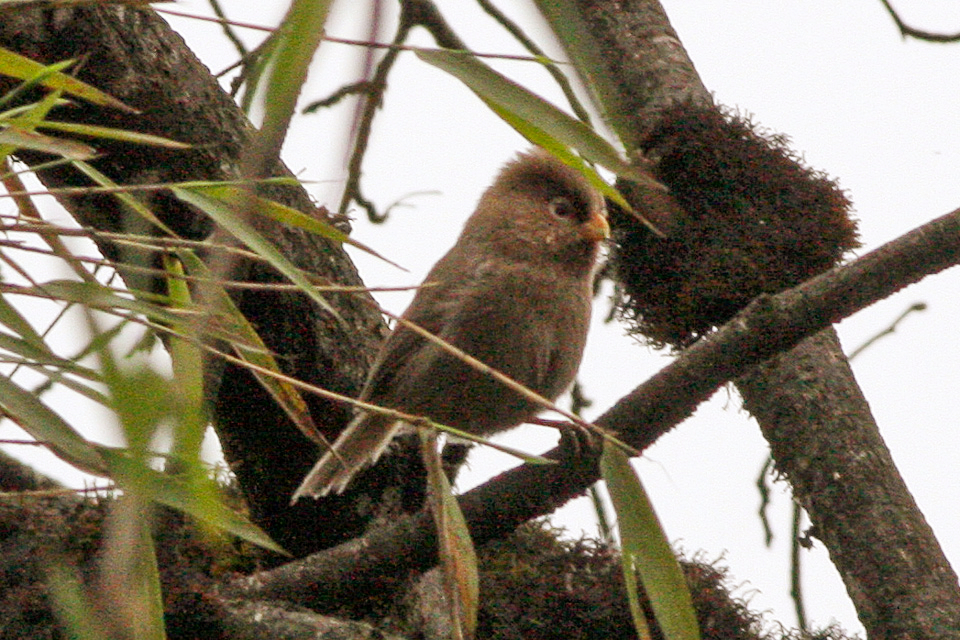

Birds Similar to the Western Subalpine Warbler
These species are often confused with the Western Subalpine Warbler due to similar appearance or overlapping range.
