
Angola Cave-Chat
Xenocopsychus ansorgei
Order: Passeriformes / Family: Muscicapidae

Wikimedia Commons
About the Angola Cave-Chat
The Angola Cave-Chat, scientifically known as Xenocopsychus ansorgei, is a captivating bird endemic to the escarpments and highlands of Angola. As a member of the Muscicapidae family, this species holds a particular interest for ornithologists due to its restricted range and specialized habitat preferences. The bird's presence is primarily confined to the rocky outcrops and caves within the regions of Huambo and Lubango, where it plays a crucial ecological role by controlling insect populations and participating in seed dispersal. The Angola Cave-Chat is a resident species, meaning it does not migrate and remains in its primary habitat throughout the year. During the breeding season, which coincides with the rainy months from November to April, this bird is most active. Its choice of nesting in secluded caves provides protection from predators and harsh weather conditions, showcasing a remarkable adaptation. Observations reveal that its diet shifts slightly with the seasons, as it exploits the increased availability of insects during the wetter months. The Angola Cave-Chat also contributes to the ecosystem by serving as prey for larger birds and mammals, thus maintaining the balance within its habitat. By studying this unique bird, scientists gain insight into the health of the Angolan highland ecosystems, as its presence indicates a thriving environment.
The Angola Cave-Chat belongs to the family Muscicapidae, within the order Passeriformes. These birds typically live average 4-6 years with a maximum recorded of 8 years..
How to Identify a Angola Cave-Chat
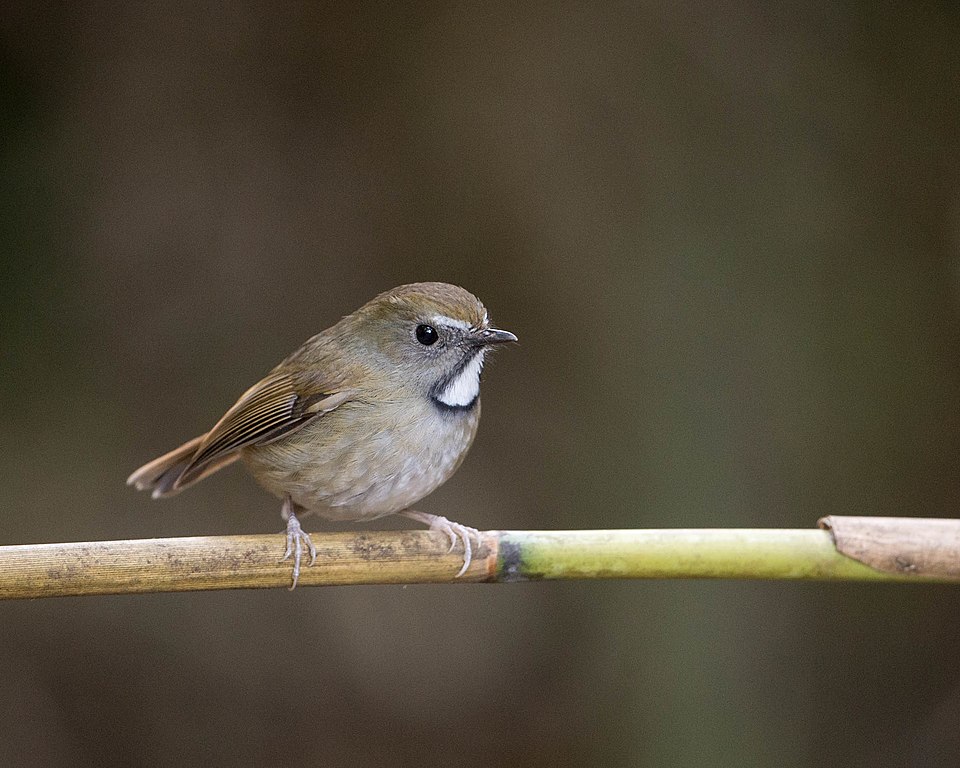
The Angola Cave-Chat presents an unmistakable appearance, characterized by its bold black-and-orange plumage. Adult males display a vibrant orange breast and belly contrasted with a deep black head, back, and wings, making them stand out against the rocky backgrounds of their habitat. Females, while similar in coloration, exhibit slightly duller tones, with a less intense orange. Juveniles are generally more muted, showcasing a brownish tinge mixed with the characteristic colors of adults, allowing them to blend more seamlessly into their surroundings for protection. In flight, the Angola Cave-Chat maintains a swift and direct trajectory, with wings that appear as dark silhouettes against the sky. When perched, it often adopts an upright posture, frequently flicking its tail, a behavior that aids in identification. Despite its striking colors, it could be confused with other sympatric species like the Red-capped Robin-Chat, but the Angola Cave-Chat’s preference for caves and its distinct color pattern serve as reliable differentiators.
Having trouble telling birds apart? Upload a photo to our bird identification tool for an instant species match.
Angola Cave-Chat Habitat and Range
Preferred Habitat
The Angola Cave-Chat resides primarily in rocky escarpments, preferring the crevices and caves typical of highland regions. These habitats provide both nesting sites and protection from predators. The bird is typically found at elevations ranging from 1,200 to 2,500 meters, thriving in areas where rock formations intersect with shrubby vegetation. During different seasons, the Angola Cave-Chat does not significantly change its habitat preferences, as its life is closely tied to the stability provided by these rocky environments. While primarily a resident of rural and remote areas, it is occasionally sighted near the fringes of human settlements, especially where suitable rocky habitats remain undisturbed.
Geographic Range
The Angola Cave-Chat is endemic to Angola, with its range concentrated in the western highlands, particularly around the provinces of Huambo and Lubango. This bird does not exhibit migratory behavior, instead maintaining a year-round presence in its specialized habitats. Within these regions, population densities can vary, with higher concentrations typically found in areas featuring abundant rocky outcrops and caves. Its limited distribution makes it a species of particular interest and concern for conservationists, as any changes to its habitat could have significant impacts on its population.
Want to know which birds visit your area? Browse our backyard birds by location guides for region-specific species lists.
What Does the Angola Cave-Chat Eat?
The Angola Cave-Chat primarily feeds on insects, which it actively hunts among the rocky crevices of its habitat. Its diet includes beetles, ants, and other small invertebrates, which it captures using a combination of sallying and gleaning techniques. During the wet season, when insect populations peak, the Angola Cave-Chat takes advantage of this abundance, feeding more frequently throughout the day. In addition to insects, it occasionally consumes small fruits and seeds, particularly during the drier months when insects are less plentiful. This dietary flexibility helps the bird maintain its energy requirements year-round.
Angola Cave-Chat Behavior and Social Structure
The Angola Cave-Chat exhibits solitary or paired behavior, especially during the breeding season when it becomes highly territorial. Males perch prominently on rocks to sing and establish territory boundaries, using their vocalizations as a primary means of communication. Courtship displays involve a combination of song and visual displays, with males showcasing their vibrant plumage to attract mates. Despite its territorial nature, the Angola Cave-Chat does not form large flocks and is rarely seen in groups larger than a pair or a family unit. Its response to predators involves evasive flight and seeking refuge within the safety of rocky crevices. Daily activity patterns peak during the cooler morning and late afternoon hours, allowing the bird to avoid the harsh midday sun.
Angola Cave-Chat Nesting and Reproduction
The nesting habits of the Angola Cave-Chat are particularly adapted to its environment. This bird selects deep rocky crevices or cave entrances for its nests, using materials such as grasses, leaves, and feathers to construct a concealed and secure nest. The typical clutch size ranges from two to four eggs, which the female incubates for about 14 to 16 days. Both parents participate in feeding the chicks, which fledge approximately two weeks after hatching. The secure nesting sites ensure a relatively high survival rate for the young, and the species generally produces one to two broods per year, depending on food availability and environmental conditions.
Angola Cave-Chat Sounds and Vocalizations
The primary song of the Angola Cave-Chat is a melodious series of whistles and trills, delivered with a clear and resonant quality. This song serves as both a territorial marker and a mate attraction call. Call notes are sharp and brief, often used as alarm signals or during communication between mates. During dawn, the Angola Cave-Chat participates in a chorus that resonates through its rocky habitat, adding a distinctive soundscape to its environment. The bird's vocalizations can be compared to the clear whistles of other chat species, yet its unique cadence sets it apart.
Interesting Facts About the Angola Cave-Chat
- 1The Angola Cave-Chat is one of the few bird species that nests exclusively in caves, highlighting its unique ecological niche.
- 2Despite its vibrant plumage, the Angola Cave-Chat remains well-camouflaged against the rocky backgrounds of its habitat.
- 3The species was first described in 1903, yet much about its behavior and ecology remains a mystery to ornithologists.
- 4The Angola Cave-Chat's song is often described as one of the most melodious among the African chats, attracting birders to its habitats.
- 5Depending on the region within Angola, the Angola Cave-Chat may share its habitat with other cave-dwelling species, including bats.
Angola Cave-Chat Conservation Status
The Angola Cave-Chat is currently listed as Least Concern by the IUCN, although its restricted range makes it vulnerable to habitat alterations. The primary threats include habitat destruction due to mining and agriculture, which can reduce the availability of suitable nesting sites. Conservation efforts focus on habitat protection and monitoring population trends to ensure stability. While historical population data is limited, current evidence suggests that the population is stable, albeit localized. Ongoing research is essential to understand the long-term impacts of environmental changes on this distinctive species.
Other Muscicapidae Species


Birds Similar to the Angola Cave-Chat
These species are often confused with the Angola Cave-Chat due to similar appearance or overlapping range.
