
Ashy-breasted Flycatcher
Muscicapa randi
Order: Passeriformes / Family: Muscicapidae

Wikimedia Commons
About the Ashy-breasted Flycatcher
The Ashy-breasted Flycatcher, scientifically known as Muscicapa randi, is an intriguing bird species that belongs to the family Muscicapidae and the order Passeriformes. This bird is endemic to the Philippines, primarily residing within the islands of Luzon, Leyte, and Samar. As its name suggests, the Ashy-breasted Flycatcher exhibits a distinctive ashy-gray coloration on its breast, which serves as a key identifying trait. This species is a part of the rich avian diversity found in the dense, montane forests of the archipelago, and it plays a crucial role in the ecosystem as an insect controller.
The ecological significance of the Ashy-breasted Flycatcher cannot be overstated. By consuming a variety of insects, this bird helps manage pest populations, contributing to the balance of its natural habitat. This flycatcher has adapted well to the humid, subtropical climate of the Philippines, where it thrives in lowland and montane forests. The conservation of these forests is vital, not only for the survival of Muscicapa randi but also for the myriad of other species that share its habitat. This bird's presence in the ecosystem acts as an indicator of environmental health, as its population dynamics often reflect changes in habitat quality.
Seasonal behaviors of the Ashy-breasted Flycatcher are closely tied to the local climate. During the rainy season, when insect populations are at their peak, the bird becomes particularly active, taking advantage of the abundance of food. Observers might note an increase in its energetic foraging and vocalizations during this time. As a resident of a tropical region, the Ashy-breasted Flycatcher does not undertake long migrations like some of its other flycatcher relatives. Instead, it remains mostly within its established territories, showcasing a remarkable adaptability to its surroundings.
The Ashy-breasted Flycatcher's significance extends beyond its ecological role. It is a subject of interest for birdwatchers and ornithologists alike, who are drawn to its subtle beauty and the challenges of observing it in dense forest habitats. Conservation efforts aimed at preserving the natural forests of the Philippines are crucial for maintaining the population of this distinctive bird, ensuring that the Ashy-breasted Flycatcher continues to be a symbol of the country's rich biodiversity.
The Ashy-breasted Flycatcher belongs to the family Muscicapidae, within the order Passeriformes. These birds typically live typically 3-5 years, with some living up to 6 years..
How to Identify a Ashy-breasted Flycatcher
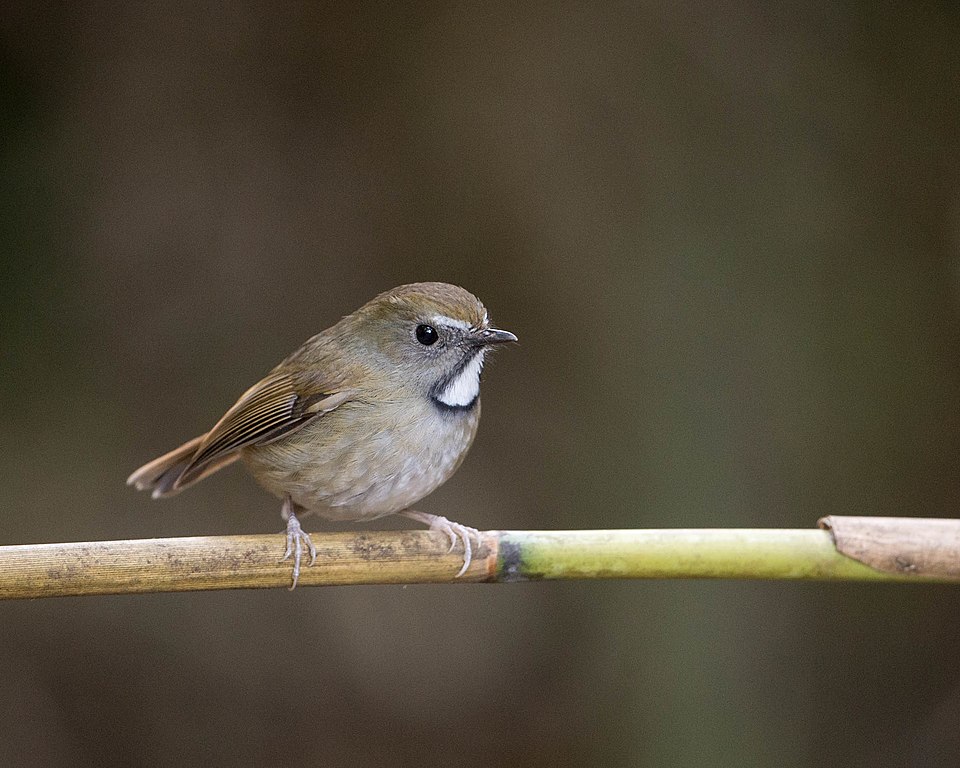
The Ashy-breasted Flycatcher is a small bird, measuring approximately 13 centimeters in length. Adult flycatchers exhibit a primarily grayish-brown plumage, with a notable ashy-gray breast that gives the species its name. The upperparts are generally darker, with subtle olive tints on the wings and back, providing excellent camouflage against the forest canopy. The underparts, aside from the ashy breast, are lighter, often appearing off-white or buff.
Juvenile Ashy-breasted Flycatchers may be slightly more mottled, with a less defined ashy breast, which can lead to confusion with other juvenile flycatchers in the region. However, the overall structure and behavior can help distinguish them from similar species. Male and female Ashy-breasted Flycatchers are visually similar, with no significant sexual dimorphism, making it challenging to distinguish between the two based solely on appearance.
In flight, the Ashy-breasted Flycatcher presents a compact silhouette, with rapid wingbeats characteristic of many flycatchers. When perched, they often adopt an upright posture, displaying their ashy breast prominently. This bird's subtle coloration can lead to confusion with other small gray or brown birds in the region, but its distinctive chest pattern and behavior are key in accurate identification.
Having trouble telling birds apart? Upload a photo to our bird identification tool for an instant species match.
Ashy-breasted Flycatcher Habitat and Range
Preferred Habitat
The Ashy-breasted Flycatcher inhabits primarily lowland and montane forests on the islands of Luzon, Leyte, and Samar in the Philippines. These forests are typically dense and humid, providing an ideal environment for the bird's insectivorous lifestyle. The species is generally found at elevations ranging from sea level to about 1,500 meters, although it prefers higher elevations where the forest is less disturbed.
During different seasons, the Ashy-breasted Flycatcher may shift slightly within its habitat range to exploit areas with higher insect activity. While primarily a forest bird, it occasionally ventures into adjacent disturbed areas, such as secondary forests and forest edges, especially when its primary habitat is affected by human activity.
The Ashy-breasted Flycatcher is not commonly found in urban environments, as it relies heavily on the structure and resources provided by natural forest ecosystems. Its presence is a good indicator of forest health, and conservation of its habitat is crucial for its continued survival.
Geographic Range
The Ashy-breasted Flycatcher's range is limited to the Philippines, specifically the islands of Luzon, Leyte, and Samar. Within these islands, the bird occupies suitable forested habitats, primarily in the lowland and montane areas. Unlike many migratory flycatchers, Muscicapa randi is a resident species, maintaining its range year-round without significant migratory movements.
Breeding territories are established within these forests, where pairs can find ample food and nesting sites. The species does not exhibit long-distance migration, but it may move locally in response to seasonal changes in food availability or habitat conditions. These movements are generally limited to different elevations within the same region.
Population density hotspots for the Ashy-breasted Flycatcher are typically found in undisturbed forest areas, where human impact is minimal. Conservation of such areas is essential for the persistence of the species, as its restricted range makes it vulnerable to habitat loss and fragmentation.
Want to know which birds visit your area? Browse our backyard birds by location guides for region-specific species lists.
What Does the Ashy-breasted Flycatcher Eat?
The Ashy-breasted Flycatcher primarily feeds on insects, which it skillfully captures in-flight or gleans from foliage. Its diet consists mainly of flies, beetles, and caterpillars, though it will opportunistically consume other small invertebrates as well. This bird employs a typical flycatcher hunting strategy, perching quietly until it spots prey, then swiftly darting out to snatch it in mid-air.
Seasonal variations in diet are influenced by the availability of different insect populations. During the rainy season, when insect activity is at its peak, the Ashy-breasted Flycatcher may have a wider variety of prey to choose from. In drier periods, the bird may rely more heavily on gleaning insects from leaves and bark.
The Ashy-breasted Flycatcher's foraging schedule aligns with the activity patterns of its prey, often being most active during the cooler parts of the day, such as early morning and late afternoon. This schedule not only maximizes hunting efficiency but also minimizes competition with other insectivorous birds.
Ashy-breasted Flycatcher Behavior and Social Structure
The Ashy-breasted Flycatcher exhibits a predominantly solitary lifestyle, often encountered alone or in pairs during the breeding season. This bird is territorial, with both males and females actively defending their chosen areas from intruders. Territorial disputes can involve vocalizations and displays of aggression, though physical confrontations are rare.
Courtship displays are subtle, involving mutual preening and soft calls between prospective mates. Once paired, the Ashy-breasted Flycatcher remains monogamous, and the pair will work together to raise their young. Socially, this bird does not form large flocks, although it may join mixed-species foraging groups outside the breeding season to capitalize on abundant food sources.
The bird's response to predators involves a combination of alarm calls and evasive flight. When threatened, the Ashy-breasted Flycatcher will emit sharp, repetitive calls to alert other birds and will often retreat to dense foliage for cover. Its daily activity pattern is diurnal, with peak periods of activity occurring during the early morning and late afternoon, aligning with its foraging habits.
Ashy-breasted Flycatcher Nesting and Reproduction
The Ashy-breasted Flycatcher constructs cup-shaped nests, typically positioned in the fork of a tree branch or tucked within dense foliage. These nests are built using a variety of materials, including grasses, twigs, and spider silk, which provide both structure and camouflage. The location of the nest is usually chosen to offer protection from predators and harsh weather conditions.
A typical clutch consists of 2 to 3 eggs, which are incubated primarily by the female for a period of about 14 days. During incubation, the male may assist by bringing food to the female, allowing her to stay on the nest. Once the chicks hatch, both parents take on the responsibility of feeding and caring for the young.
The fledging period for the Ashy-breasted Flycatcher lasts approximately 14 to 16 days, after which the young birds leave the nest but remain dependent on their parents for some time. This species typically raises one brood per year, although in favorable conditions, a second brood may be attempted.
Ashy-breasted Flycatcher Sounds and Vocalizations
The primary song of the Ashy-breasted Flycatcher is a series of soft, melodious whistles, often described as having a rhythmic quality with a gentle, flowing pitch. These songs are typically delivered from a perch, serving both to establish territory and attract a mate. In addition to its song, the Ashy-breasted Flycatcher produces short, sharp call notes used for communication between individuals and to signal alarm.
Alarm calls are more urgent and repetitive, designed to warn other birds of potential threats. During the dawn chorus, the Ashy-breasted Flycatcher's song contributes to the symphony of sounds in the forest, although it may be less conspicuous compared to more vocally dominant species.
The quality of its vocalizations can be likened to the gentle trills of other small flycatchers, providing a soft background to the rich soundscape of its native forests.
Interesting Facts About the Ashy-breasted Flycatcher
- 1The Ashy-breasted Flycatcher is endemic to the Philippines, found only on the islands of Luzon, Leyte, and Samar.
- 2This bird's subtle ashy-gray breast coloration provides excellent camouflage in its forest habitat.
- 3Despite its small size, the Ashy-breasted Flycatcher plays a significant role in controlling insect populations.
- 4The Ashy-breasted Flycatcher does not migrate long distances, instead remaining within its habitat year-round.
- 5This species is part of the diverse Muscicapidae family, known for their adept aerial insect-catching abilities.
- 6The bird's habitat preference for dense forests makes it a good indicator of environmental health and forest quality.
- 7The Ashy-breasted Flycatcher's song is a series of soft, melodious whistles, adding to the forest's dawn chorus.
Ashy-breasted Flycatcher Conservation Status
The Ashy-breasted Flycatcher is currently listed as Near Threatened on the IUCN Red List, with its population trend considered stable but susceptible to change due to ongoing habitat loss. The primary threats to this species include deforestation and habitat fragmentation, driven by agricultural expansion, logging, and infrastructure development in the Philippines. Conservation efforts focus on preserving the remaining forest habitats within its range. Protected areas and national parks play a crucial role in safeguarding these environments, though enforcement of protection measures is essential. Historically, the Ashy-breasted Flycatcher has experienced population fluctuations in response to habitat changes, underscoring the need for continuous monitoring and habitat conservation. Engagement with local communities in conservation initiatives can help mitigate the impact of human activities on this bird's habitat, ensuring its presence as part of the Philippines' rich biodiversity for future generations.
Other Muscicapidae Species


Birds Similar to the Ashy-breasted Flycatcher
These species are often confused with the Ashy-breasted Flycatcher due to similar appearance or overlapping range.

