Bagobo Robin
Leonardina woodi
Order: Passeriformes / Family: Muscicapidae
Wikimedia Commons
About the Bagobo Robin
The Bagobo Robin (Leonardina woodi), a member of the Muscicapidae family, is a captivating bird species native to specific regions in the Philippines. This bird holds ecological significance due to its role in the local forest ecosystems where it resides. Found predominantly in the tropical rainforests of Mindanao, the Bagobo Robin thrives in the dense, humid environments that provide ample cover and abundant food sources. Its presence in these forests indicates a rich and balanced ecosystem, as it plays an essential role in both seed dispersal and insect population control.
The Bagobo Robin's striking appearance and melodious song make it a vital component of the avian biodiversity in its habitat. It shares its range with other endemic species, contributing to the unique biological tapestry of the region. The preservation of its habitat is crucial not only for its survival but also for the broader health of the ecosystem. This bird's interactions with its environment highlight its importance in maintaining ecological balance and supporting biodiversity.
Seasonal behaviors of the Bagobo Robin include heightened vocal activity during the breeding season, when males engage in elaborate singing to attract mates and establish territories. This period also sees an increase in the bird's foraging activity as it prepares for nesting and raising its young. The Bagobo Robin's adaptability to its environment, despite seasonal changes, showcases its resilience and importance within its ecological niche.
The Bagobo Robin's presence in local folklore and cultural narratives underscores its significance beyond ecological realms. It symbolizes the vibrant natural heritage of the Philippines, drawing attention to the conservation needs of endemic species. Protecting this bird and its habitat serves as a reminder of the interconnectedness of culture, biodiversity, and conservation.
The Bagobo Robin belongs to the family Muscicapidae, within the order Passeriformes. These birds typically live average 5 years, with a maximum recorded of 8 years..
How to Identify a Bagobo Robin
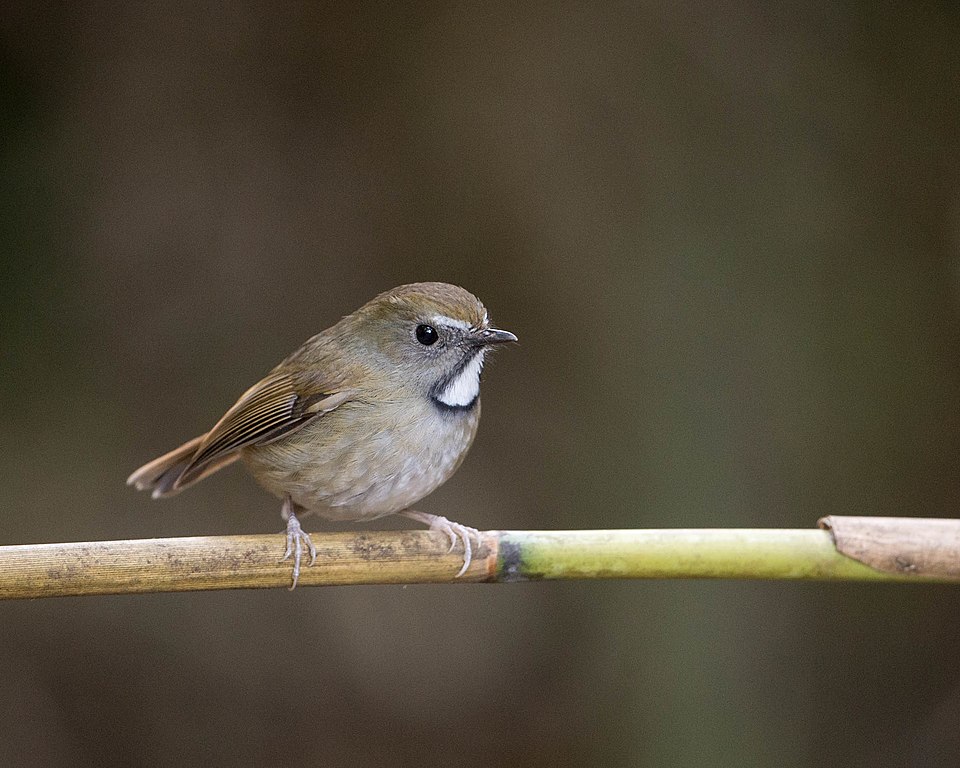
The Bagobo Robin is easily recognizable by its vibrant plumage and distinctive size. Adults exhibit a striking combination of dark olive-green upperparts and a lighter, more subdued underbelly, which helps them blend seamlessly into their forest habitat. The head showcases a unique mix of colors, with a subtle black cap and a white throat that provides a sharp contrast. The bird's bill is slender and slightly curved, adapted for its insectivorous diet.
Juvenile Bagobo Robins display a slightly duller plumage compared to adults, with more muted colors and less distinct markings. This difference in appearance serves as a camouflage mechanism, offering them protection from predators during their vulnerable early life stages. Male and female Bagobo Robins exhibit similar coloration and size, making it challenging to distinguish between the sexes in the field.
The Bagobo Robin's flight silhouette is characterized by its compact shape and rapid wingbeats, typical of many forest-dwelling songbirds. When perched, the bird maintains an upright posture, often tilting its head to survey its surroundings. This posture, combined with its distinctive coloring, aids birders in identifying the species amidst the dense foliage of its rainforest habitat.
Having trouble telling birds apart? Upload a photo to our bird identification tool for an instant species match.
Bagobo Robin Habitat and Range
Preferred Habitat
The Bagobo Robin is primarily found in the tropical rainforests of Mindanao, where it thrives in the dense, humid environments. These forests, rich in biodiversity, provide the bird with ample cover and diverse food sources. The Bagobo Robin prefers mid-elevation ranges, typically between 500 to 1,500 meters, where it finds an optimal balance of temperature and humidity.
This species shows particular affinity for primary forests with mature trees, where it can forage for insects and seek shelter among the thick canopy. However, the Bagobo Robin can also adapt to secondary growth forests, although its presence there is less common. Seasonal shifts in habitat usage are minimal, as the bird tends to remain within its established territory year-round, relying on the consistent resources available in its environment.
While the Bagobo Robin primarily inhabits rural and forested areas, it occasionally ventures into less disturbed agricultural lands adjacent to its natural habitat. Its resilience and adaptability to varying degrees of forest cover underscore the importance of preserving continuous tracts of rainforest to support its population.
Geographic Range
The Bagobo Robin is endemic to the Philippines, with its range primarily confined to the island of Mindanao. Within this island, it inhabits specific forested areas that provide the necessary ecological conditions for its survival. The species does not exhibit long-distance migration and is considered a resident bird, maintaining its territories throughout the year.
The breeding range of the Bagobo Robin aligns closely with its overall distribution, as the bird remains within the same regions for nesting and raising its young. Its population density is highest in undisturbed primary forests, where the availability of food and nesting sites is optimal. These areas serve as critical hotspots for the species, emphasizing the need for focused conservation efforts.
Though the Bagobo Robin is not migratory, it may experience local movements in response to environmental changes, such as shifts in food availability or habitat disturbance. These movements are typically limited in scope, as the bird relies heavily on the stable conditions of its forest home.
Want to know which birds visit your area? Browse our backyard birds by location guides for region-specific species lists.
What Does the Bagobo Robin Eat?
The diet of the Bagobo Robin primarily consists of insects and other small invertebrates, which it forages for with great skill. This bird employs a variety of foraging techniques, including gleaning from leaves, bark, and branches, as well as fly-catching in mid-air. Its slender, slightly curved bill is well-suited for picking off small prey from the forest undergrowth.
Seasonal changes in the rainforest can influence the Bagobo Robin's diet. During the wet season, when insect populations are abundant, the bird's diet becomes more varied, incorporating a greater diversity of insect species. In contrast, during drier periods, the Bagobo Robin may rely more heavily on a few consistent sources of food that remain available.
The Bagobo Robin's feeding schedule is primarily diurnal, with peak activity occurring during the early morning and late afternoon. During these times, the bird actively searches for food to sustain its energy needs, especially during the breeding season when its dietary requirements increase.
Bagobo Robin Behavior and Social Structure
The Bagobo Robin exhibits intriguing social and territorial behaviors that highlight its adaptability and ecological role. This bird is primarily solitary, though it may form loose associations with other individuals during the non-breeding season. Territoriality is a significant aspect of its behavior, with males establishing and defending territories through vocal displays and occasional physical encounters.
During the breeding season, the Bagobo Robin engages in elaborate courtship displays, which include extended singing bouts by males to attract potential mates. These displays are usually accompanied by aerial acrobatics and wing-flicking, showcasing the male's vitality and fitness.
The Bagobo Robin demonstrates a cautious yet curious nature when responding to potential threats. Upon detecting predators, it employs a series of alarm calls to alert nearby conspecifics. These calls vary in intensity depending on the perceived level of threat. Daily activity patterns involve early morning foraging, followed by periods of rest during the hottest part of the day, and a resurgence of activity in the late afternoon as temperatures moderate.
Bagobo Robin Nesting and Reproduction
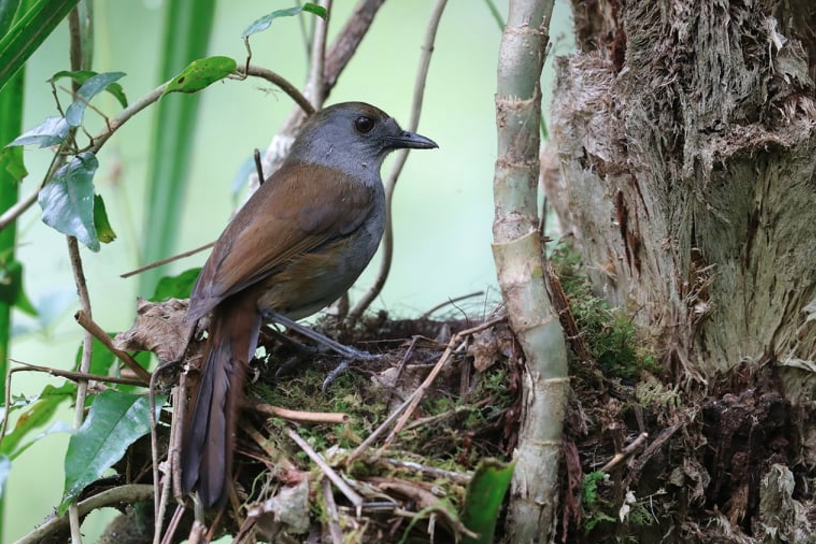
The nesting habits of the Bagobo Robin are as intricate as its song. This bird constructs cup-shaped nests, meticulously woven from grass, leaves, and fine twigs, and often lined with softer materials such as feathers or moss. These nests are strategically placed in the forks of trees or dense shrubbery, providing concealment and protection from predators.
Preferred nesting sites are typically located at moderate heights within the forest understory, offering both shade and accessibility. The clutch size for the Bagobo Robin usually ranges from two to four eggs, with both parents sharing the responsibility of incubation, which lasts about 14 days.
Once the eggs hatch, both parents continue to provide care, feeding the nestlings a diet rich in protein to ensure healthy growth. The fledging period occurs approximately two weeks after hatching, at which point the young birds begin to explore their surroundings under the watchful eyes of their parents. The Bagobo Robin typically raises one brood per year, though in favorable conditions, a second brood is possible.
Bagobo Robin Sounds and Vocalizations
The Bagobo Robin's primary song is a delightful series of melodious notes, characterized by a rhythmic pattern and a clear, bell-like quality. This song serves as a key identifier for the species, as it is often heard resonating through the forest canopy during the early morning hours.
In addition to its primary song, the Bagobo Robin produces a variety of calls, including sharp, staccato notes used for communication with other individuals, and softer, more subdued sounds employed in close-contact exchanges. Alarm calls are distinct and urgent, consisting of rapid, repeated notes designed to alert conspecifics to potential dangers.
The Bagobo Robin participates in the dawn chorus, a symphony of avian voices that heralds the beginning of each day. Its song, with its unique tonal quality and rhythmic structure, contributes to the rich auditory tapestry of the rainforest, providing a reliable acoustic marker for birders and naturalists alike.
Interesting Facts About the Bagobo Robin
- 1The Bagobo Robin is named after the indigenous Bagobo people of Mindanao, highlighting its cultural significance.
- 2Leonardina woodi was first described in 1905, making it a relatively recent addition to ornithological records.
- 3Despite its vibrant plumage, the Bagobo Robin is adept at remaining hidden in dense foliage, showcasing excellent camouflage.
- 4The Bagobo Robin is monogamous, forming strong pair bonds that often last for multiple breeding seasons.
- 5This bird's intricate nest-building skills are a marvel, utilizing a variety of natural materials to create a secure home.
- 6The Bagobo Robin's song can carry over long distances, helping to establish territory and attract mates across the forest.
- 7Research on the Bagobo Robin contributes to broader conservation efforts for Philippine endemic bird species.
Bagobo Robin Conservation Status
The Bagobo Robin currently holds a conservation status of Near Threatened, reflecting ongoing pressures on its habitat and population. Deforestation and habitat fragmentation pose significant threats to this species, as they lead to the loss of critical breeding and foraging areas. Conservation efforts for the Bagobo Robin focus on habitat preservation and restoration, with initiatives aimed at protecting large tracts of rainforest in Mindanao. These efforts include promoting sustainable land-use practices and establishing protected areas to safeguard the bird's remaining habitats. Despite these challenges, the Bagobo Robin's population trend is relatively stable due to its adaptability to varying forest conditions. Continued conservation actions are crucial to ensure the long-term survival of this species and to maintain the ecological integrity of the forests it inhabits.