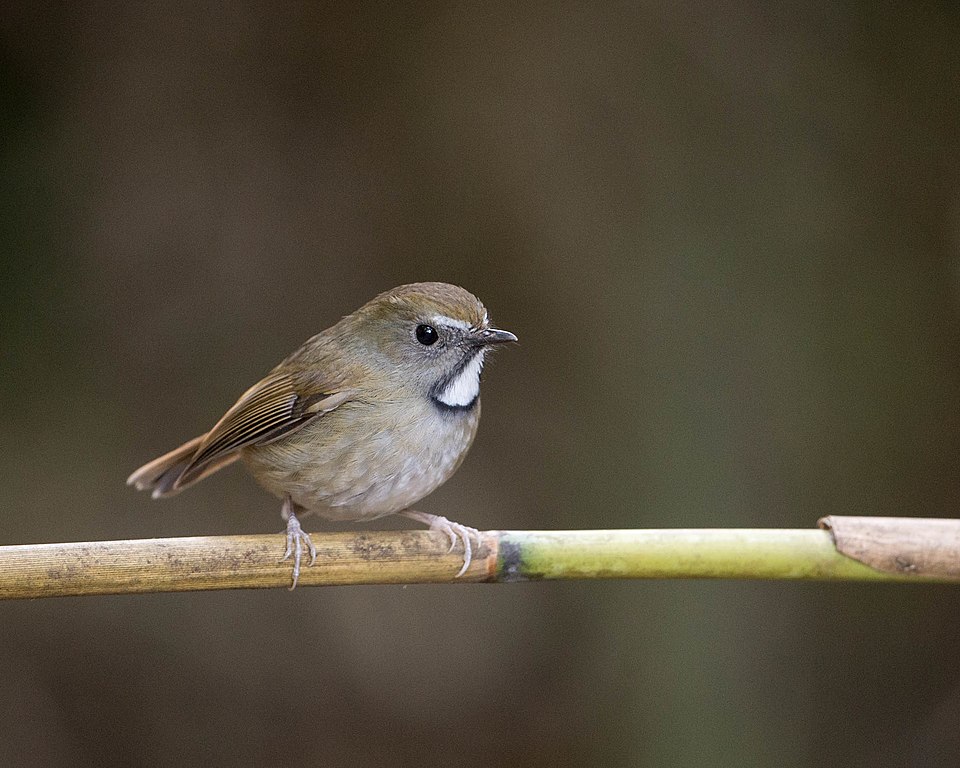
Black-banded Flycatcher
Ficedula timorensis
Order: Passeriformes / Family: Muscicapidae

Wikimedia Commons
About the Black-banded Flycatcher
The Black-banded Flycatcher, Ficedula timorensis, is a small passerine bird that inhabits the lush tropical forests of Timor and surrounding islands in the Lesser Sundas of Indonesia. This species plays a significant ecological role in its native ecoregion, contributing to the control of insect populations. As an insectivorous bird, it is an integral component of the forest ecosystems, aiding in pest management by consuming a variety of insects. The Black-banded Flycatcher typically resides in mid-elevation montane forests, where the dense canopy provides ample foraging opportunities and nesting sites. This bird is less commonly found in lowland areas, preferring the cooler, moist climates provided by the montane environments. The presence of this flycatcher serves as an indicator of healthy forest conditions, given its reliance on insect prey that thrives in biodiverse habitats. During the breeding season, which aligns with the wet season from November to April, the Black-banded Flycatcher becomes more vocally active, engaging in courtship displays and territorial defense. Outside the breeding season, it is relatively sedentary, with limited dispersal from its established territories. This bird's activity peaks during the early morning and late afternoon, when it actively forages for insects and engages in social interactions with conspecifics. Throughout the year, the Black-banded Flycatcher remains a resident species, exhibiting minimal seasonal movement, which underscores the importance of conserving its native montane forest habitats.
The Black-banded Flycatcher belongs to the family Muscicapidae, within the order Passeriformes. These birds typically live typically 4-6 years, with some individuals reaching up to 8 years..
How to Identify a Black-banded Flycatcher
The Black-banded Flycatcher is a striking bird, measuring approximately 12-14 cm in length. Its most distinguishing feature is the bold black band that stretches across its white breast, a trait that gives the species its name. The adult male exhibits a glossy black head and upperparts, contrasting sharply with its white underparts and the prominent black chest band. Females and juveniles display a more subdued coloration, with brownish upperparts and a less defined chest band, making them less conspicuous than their male counterparts. When examining similar species, the Black-banded Flycatcher can be confused with other members of the Ficedula genus, especially those with overlapping ranges. However, the combination of its unique chest band and the absence of any rufous coloration helps distinguish it from close relatives such as the Rufous-chested Flycatcher. In flight, this bird exhibits rapid wingbeats and short glides, typical of flycatchers. Its perching posture is upright, often seen sallying from low branches to catch flying insects, showcasing its agile flight capabilities.
Having trouble telling birds apart? Upload a photo to our bird identification tool for an instant species match.
Black-banded Flycatcher Habitat and Range
Preferred Habitat
The Black-banded Flycatcher thrives in montane forest habitats, typically found at elevations ranging from 600 to 1800 meters. It prefers dense, humid forests with a rich understory, which provide ideal conditions for foraging and nesting. These birds are most commonly associated with primary forests but can also be found in well-preserved secondary growth. Unlike many other forest-dwelling species, this flycatcher shows limited adaptability to urban environments and is rarely observed in heavily disturbed areas. Seasonal habitat shifts are minimal, as the Black-banded Flycatcher remains a resident species throughout the year. Its reliance on intact forest ecosystems underscores the need for conservation efforts targeting these vital habitats, particularly in the face of deforestation and land-use changes.
Geographic Range
The Black-banded Flycatcher is primarily found on the island of Timor, with its range extending to some neighboring islands in the Lesser Sundas, such as Roti and Semau. This species is endemic to these islands, meaning it is not found anywhere else in the world. Within its range, the Black-banded Flycatcher occupies suitable montane forest habitats, but its distribution is patchy due to habitat preferences and availability. Unlike migratory species, the Black-banded Flycatcher does not exhibit long-distance seasonal movements, remaining within its established territories year-round. While population density varies across its range, hotspots of abundance are typically linked to regions with extensive forest cover and minimal human disturbance. Conservation efforts in these areas are crucial to maintaining the bird's population stability.
Want to know which birds visit your area? Browse our backyard birds by location guides for region-specific species lists.
What Does the Black-banded Flycatcher Eat?
The Black-banded Flycatcher primarily feeds on insects, employing a sit-and-wait foraging strategy common among flycatchers. From a favored perch, it keenly observes its surroundings for potential prey before launching into the air to capture flying insects mid-flight. Its diet mainly consists of small to medium-sized insects such as beetles, flies, and moths, with occasional consumption of spiders and other arthropods. Seasonal changes in diet are minimal, as the bird remains in the same habitat year-round. However, during the breeding season, when energy demands increase, the Black-banded Flycatcher may expand its foraging efforts to include a greater diversity of prey items. The bird's feeding schedule peaks during early morning and late afternoon, coinciding with heightened insect activity in its forest habitat.
Black-banded Flycatcher Behavior and Social Structure
The Black-banded Flycatcher exhibits a range of behaviors typical of small insectivorous passerines. It maintains a loosely territorial social structure, with pairs or solitary individuals defending small territories during the breeding season. Courtship displays involve vocalizations and aerial chases, with males showcasing their distinctive plumage to attract mates. This species is generally solitary outside the breeding season, although it may occasionally join mixed-species foraging flocks. Flocking provides increased protection against predators and enhances foraging efficiency. The Black-banded Flycatcher remains active throughout the day, with peak activity occurring during the cooler morning and late afternoon hours. In response to potential threats, it employs evasive maneuvers and utilizes dense foliage for cover. Its alertness and agility make it well-equipped to evade predators, while its vocalizations serve as both a warning signal and a means of communication with conspecifics.
Black-banded Flycatcher Nesting and Reproduction
The Black-banded Flycatcher constructs a simple, cup-shaped nest using fine plant materials such as moss, leaves, and rootlets. Nests are typically situated in the forks of tree branches or on horizontal limbs, providing both concealment and support. The female primarily undertakes nest construction, often selecting sites several meters above the ground to reduce predation risk. Clutch size ranges from two to four eggs, with the female incubating the eggs for approximately 12-14 days. Once hatched, both parents share in feeding and caring for the nestlings. The young fledge after about 14-16 days in the nest, although they remain dependent on their parents for food and protection for several additional weeks. The Black-banded Flycatcher typically raises one brood per year, with breeding efforts closely aligned with the rainy season, when food availability is at its peak.
Black-banded Flycatcher Sounds and Vocalizations
The Black-banded Flycatcher is known for its melodic song, which consists of a series of clear, whistling notes arranged in a rhythmic pattern. These notes vary in pitch and are often repeated in sequences of three or four. The bird's call notes are sharp and distinctive, serving as communication signals between individuals. Alarm calls, used to warn of potential threats, are more abrupt and harsh in tone. During the dawn chorus, the Black-banded Flycatcher's song contributes to the rich tapestry of sounds in the forest, announcing its presence and asserting its territory. Compared to other flycatchers, its song is more complex and melodious, making it a delight for birdwatchers and naturalists.
Interesting Facts About the Black-banded Flycatcher
- 1The Black-banded Flycatcher has a unique feeding technique known as 'sallying,' where it catches insects mid-flight.
- 2Despite its small size, the Black-banded Flycatcher can consume up to 30% of its body weight in insects daily.
- 3This flycatcher's distinctive black chest band is not only a key identification feature but also plays a role in mate selection.
- 4The Black-banded Flycatcher is endemic to Timor and the Lesser Sunda Islands, highlighting its importance for regional biodiversity.
- 5Courtship displays involve not just vocalizations but also complex aerial maneuvers, showcasing the male's agility.
- 6During the breeding season, the Black-banded Flycatcher is more vocally active, using its song to establish territory.
- 7The species' sedentary nature makes it especially vulnerable to habitat changes, emphasizing the need for conservation.
Black-banded Flycatcher Conservation Status
The International Union for Conservation of Nature (IUCN) currently lists the Black-banded Flycatcher as a species of Least Concern. However, its population faces pressures from habitat degradation and deforestation in its restricted range. While the overall population trend appears stable, ongoing habitat loss poses a significant threat to the species' long-term viability. Conservation efforts focus on protecting and restoring montane forest habitats, which are crucial for the survival of this and many other endemic species. Historically, the Black-banded Flycatcher has maintained stable numbers, but continued vigilance is necessary to ensure that habitat degradation does not lead to more severe population declines in the future.