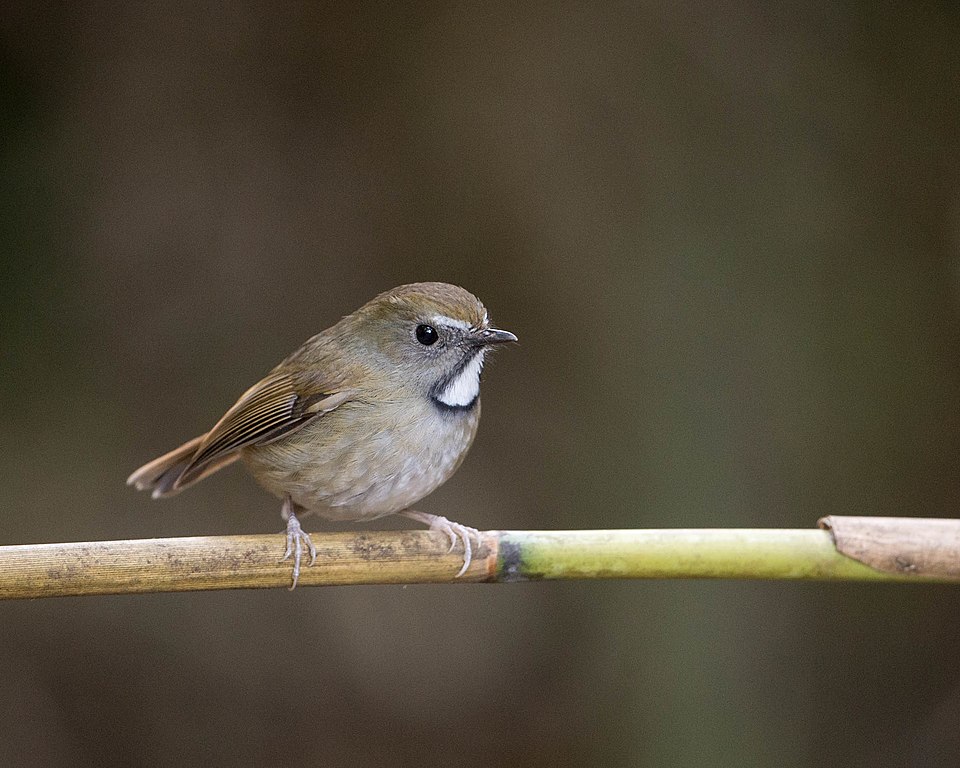
Blue-fronted Redstart
Phoenicurus frontalis
Order: Passeriformes / Family: Muscicapidae

Wikimedia Commons
About the Blue-fronted Redstart
The Blue-fronted Redstart, scientifically known as Phoenicurus frontalis, is a vibrant passerine bird belonging to the family Muscicapidae. This species is notable for its bright plumage and dynamic behaviors, making it a favorite among bird enthusiasts and ornithologists alike. Predominantly found in the Himalayan region, the Blue-fronted Redstart thrives in montane forests, especially during the breeding season. Its ecological role is significant as it helps in controlling insect populations, given its insectivorous diet. During the breeding season, males are often seen perched conspicuously on high branches, singing to establish territories and attract mates. Outside the breeding season, the Blue-fronted Redstart migrates to lower altitudes, inhabiting open woodlands and scrublands. In these non-breeding areas, it continues to play a crucial role in maintaining the balance of local ecosystems. The Blue-fronted Redstart's adaptability to different environments, such as urban gardens and rural areas, showcases its ecological versatility. Throughout the year, this bird is an engaging sight, drawing attention with its lively foraging antics and melodious song. Its presence highlights the rich biodiversity of the Himalayan region, underlining the importance of preserving these habitats. With human encroachment and habitat loss posing threats, understanding and conserving the habitats of the Blue-fronted Redstart is vital for maintaining ecological balance and biodiversity in the areas it inhabits.
The Blue-fronted Redstart belongs to the family Muscicapidae, within the order Passeriformes. These birds typically live typically lives 5-7 years, with the longest recorded at 9 years..
How to Identify a Blue-fronted Redstart
Identifying the Blue-fronted Redstart is straightforward, thanks to its distinctive coloration. Adult males are particularly striking, with a bright blue forehead, face, and throat, contrasting with rusty-orange underparts. Their wings and tail are primarily black, with a noticeable white wing patch visible in flight. Females and juveniles, however, are more subdued, featuring a brownish-grey plumage with hints of orange on the underparts. This sexual dimorphism helps females blend into the environment, reducing predation risk during nesting. When perched, the Blue-fronted Redstart often flicks its tail, revealing the rufous coloring underneath. This behavior, combined with their habit of perching on exposed branches, makes them relatively easy to spot. In flight, their silhouette is typical of the redstart family, with broad, rounded wings and a fan-shaped tail. While similar species exist, such as the Daurian Redstart, the combination of the blue forehead and orange belly is unique to the Blue-fronted Redstart, aiding in quick identification.
Having trouble telling birds apart? Upload a photo to our bird identification tool for an instant species match.
Blue-fronted Redstart Habitat and Range
Preferred Habitat
The Blue-fronted Redstart inhabits diverse habitats, primarily favoring montane forests and alpine meadows during the breeding season. Typically found at elevations ranging from 2,000 to 4,500 meters in the Himalayas, they prefer areas with dense undergrowth and ample perching sites. In winter, they migrate to lower altitudes, occupying open woodlands, scrublands, and even urban gardens, showcasing their adaptability. These seasonal shifts allow them to exploit different ecological niches and food sources throughout the year. While they are more commonly found in rural settings, their presence in urban areas highlights their ability to thrive amidst human development.
Geographic Range
The Blue-fronted Redstart's breeding range spans the Himalayan region, including countries such as India, Nepal, Bhutan, and Tibet. During the breeding season, they occupy high-altitude forests, often above 3,000 meters. In the winter months, they migrate to lower altitudes, extending their range into northern India, parts of China, and occasionally reaching as far as Southeast Asia. Migration corridors typically follow the mountain ranges, facilitating access to diverse habitats across the region. While they are relatively common within their range, population density is highest in areas with abundant food resources and suitable nesting sites.
Want to know which birds visit your area? Browse our backyard birds by location guides for region-specific species lists.
What Does the Blue-fronted Redstart Eat?
The Blue-fronted Redstart primarily feeds on insects and other small invertebrates, which it skillfully catches through flycatching and ground foraging techniques. Its diet consists mainly of beetles, caterpillars, and spiders, although it will also consume berries and seeds, particularly in the winter when insect abundance decreases. This dietary flexibility allows it to adapt to varying food availability across different seasons and habitats. Foraging often occurs during the early morning and late afternoon, coinciding with peak insect activity. The Blue-fronted Redstart's keen eyesight and agile flight make it an efficient hunter, capable of catching prey mid-air or snatching it from foliage.
Blue-fronted Redstart Behavior and Social Structure
The Blue-fronted Redstart exhibits a range of intriguing behaviors, particularly during the breeding season. Males are territorial and engage in elaborate courtship displays to attract females, often involving singing and tail-flicking. These displays not only serve to secure a mate but also to establish dominance over a territory. Outside the breeding season, they become more social, forming loose flocks with other small passerines. Their response to predators includes rapid, zigzag flight patterns and seeking cover in dense vegetation. Typically diurnal, the Blue-fronted Redstart is most active at dawn and dusk, coinciding with the peak times for feeding. This bird's adaptability and varied behaviors underscore its success across a wide range of environments.
Blue-fronted Redstart Nesting and Reproduction
Nesting for the Blue-fronted Redstart occurs primarily in crevices or on ledges in rocky areas, often at considerable heights. They construct cup-shaped nests using grasses, moss, and feathers, providing a well-insulated environment for the eggs. A typical clutch consists of 3 to 5 eggs, which the female incubates for approximately two weeks. During this period, the male remains nearby, offering protection and occasionally feeding the female. Once hatched, both parents share in feeding the chicks, who fledge roughly two weeks after hatching. The species usually raises one brood per year, although in optimal conditions, a second brood may occur.
Blue-fronted Redstart Sounds and Vocalizations
The Blue-fronted Redstart is known for its melodious song, characterized by a series of high-pitched, clear notes delivered in rapid succession. These songs serve both to establish territory and attract mates during the breeding season. Additionally, the bird produces a variety of call notes, including sharp 'chip' sounds used for communication between mates. Alarm calls are louder and more insistent, serving to alert conspecifics of potential threats. During the dawn chorus, the Blue-fronted Redstart's song adds a vibrant layer to the symphony of sounds, marking its presence in its montane habitat.
Interesting Facts About the Blue-fronted Redstart
- 1The Blue-fronted Redstart is known for its striking blue forehead, which is unique among redstarts.
- 2During the breeding season, males perform conspicuous displays, including singing and tail-flicking, to attract females.
- 3These birds can be found at elevations up to 4,500 meters in the Himalayas, showcasing their adaptability.
- 4The Blue-fronted Redstart's diet changes seasonally, including more berries and seeds during the winter months.
- 5They often migrate to lower altitudes during winter, a journey that spans hundreds of kilometers.
- 6Females are less colorful than males, which helps them blend into the environment during nesting.
- 7Despite their vibrant colors, these birds are adept at camouflaging in their natural habitat.
Blue-fronted Redstart Conservation Status
Currently, the Blue-fronted Redstart is classified as Least Concern on the IUCN Red List, with stable population trends. However, habitat loss due to deforestation and human encroachment poses ongoing threats. Conservation efforts focus on protecting breeding habitats in the Himalayas and ensuring wintering grounds remain intact. Historical data suggests that while the population remains stable, continuous monitoring is necessary to ensure these birds continue to thrive. Maintaining healthy forest ecosystems is crucial for the long-term survival of the Blue-fronted Redstart.