
Chat Flycatcher
Bradornis infuscatus
Order: Passeriformes / Family: Muscicapidae

Wikimedia Commons
About the Chat Flycatcher
The Chat Flycatcher (Bradornis infuscatus) is a species that thrives in the expansive regions of southern Africa, including Namibia, Botswana, and northern South Africa. This bird plays a significant ecological role as a predator of insects, contributing to the regulation of insect populations in its habitat. Its presence is indicative of healthy open woodlands and savannas, environments where it is most frequently observed. The Chat Flycatcher is notable for its adaptability, often found in both natural and semi-urban environments, a testament to its flexible nature. This bird is particularly active during the dry season, when insects are more abundant and easier to catch. In terms of ecological significance, the Chat Flycatcher's role extends beyond mere insect control. It is an integral part of the food web, serving as prey for larger birds of prey and other predators. During the breeding season, which typically occurs in the austral spring and summer, the Chat Flycatcher exhibits increased activity, particularly in courtship behaviors and territorial defense. Its ability to adapt to various environments, including bushveld, savanna, and even desert margins, underscores its resilience in the face of changing landscapes. Bradornis infuscatus is not just a common sight in its native habitats but also a vital indicator of environmental health, making it a species of interest for both ornithologists and conservationists.
The Chat Flycatcher belongs to the family Muscicapidae, within the order Passeriformes. These birds typically live average 6 years, with some individuals reaching 10 years..
How to Identify a Chat Flycatcher
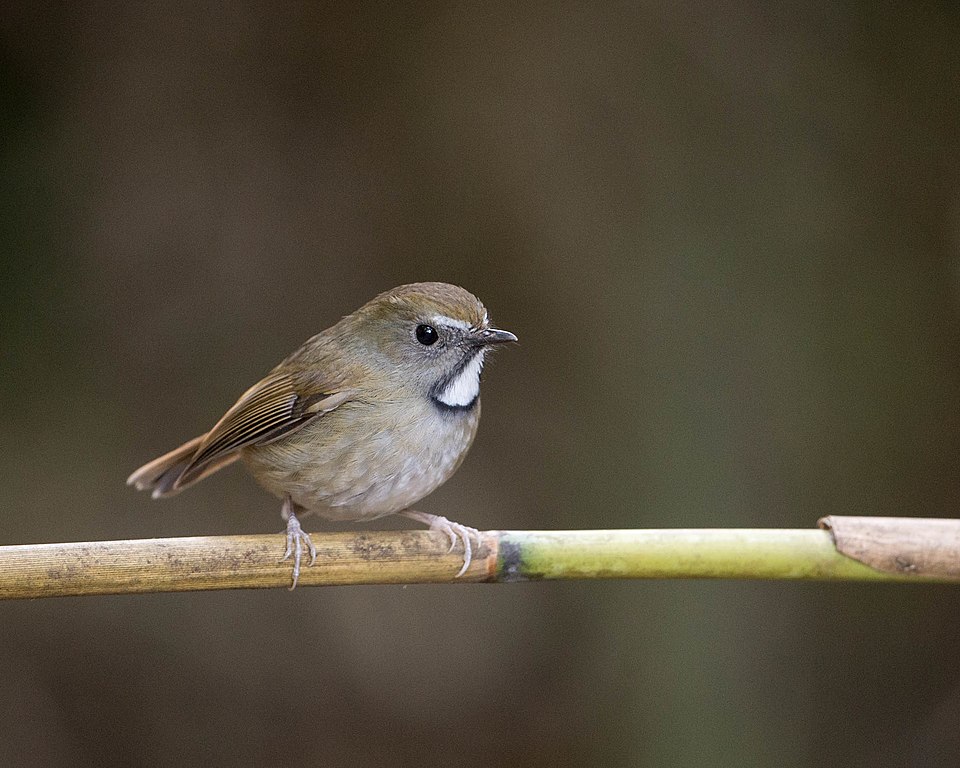
The Chat Flycatcher is a medium-sized bird characterized by its grey-brown plumage, which provides excellent camouflage against the dry savanna and woodland backgrounds it frequents. Adults typically have a uniform coloration with subtle shading differences, while juveniles may exhibit more pronounced streaking or mottling. Males and females are similar in appearance, making visual differentiation challenging without behavioral observation. The bird's bill is relatively short and wide, adapted for catching insects mid-air, and its legs are dark and robust. In flight, the Chat Flycatcher maintains a steady, undulating pattern, often perching prominently on exposed branches or wires, making it a conspicuous presence in open habitats. Its posture is upright, often with its tail slightly cocked, a behavior that aids in quick takeoffs. While similar in size and shape to other flycatchers, the Chat Flycatcher's distinctive coloration and habitat preferences help distinguish it from relatives such as the Spotted Flycatcher, which prefers more wooded areas.
Having trouble telling birds apart? Upload a photo to our bird identification tool for an instant species match.
Chat Flycatcher Habitat and Range
Preferred Habitat
The Chat Flycatcher predominantly inhabits open woodlands, savannas, and semi-arid regions across southern Africa. It favors areas with scattered trees and shrubs, providing ample perches and hunting grounds. This species can also be found at the edges of deserts, where vegetation is sparse but sufficient for its needs. Elevations up to 1,500 meters are not uncommon for the Chat Flycatcher, particularly in regions where the landscape supports its feeding and breeding activities. During the rainy season, the bird may venture into more densely vegetated areas, but it generally avoids closed-canopy forests. In urban areas, it may adapt to parks and gardens, where it benefits from a mix of open space and tree cover.
Geographic Range
The Chat Flycatcher's range extends widely across southern Africa, from Angola and Zambia to Namibia, Botswana, and the northern regions of South Africa. It is a resident species, with no significant migratory movements, although local dispersal may occur in response to environmental conditions. In Namibia and Botswana, the Chat Flycatcher is particularly abundant, taking advantage of the extensive savanna and semi-arid habitats. Its presence in Zimbabwe and Mozambique is less pronounced, often restricted to areas with suitable open habitats. Population densities are highest in regions where insect prey is abundant, such as in seasonally flooded grasslands and near water sources.
Want to know which birds visit your area? Browse our backyard birds by location guides for region-specific species lists.
What Does the Chat Flycatcher Eat?
The Chat Flycatcher primarily feeds on insects, employing a sit-and-wait strategy from perches before sallying out to capture prey mid-flight. Its diet consists mainly of flying insects such as beetles, flies, and grasshoppers, which it expertly snatches from the air. During the dry season, when insects are less prevalent, the Chat Flycatcher may also consume small fruits and seeds to supplement its diet. Foraging activity peaks in the early morning and late afternoon, coinciding with increased insect activity. The bird's keen eyesight and agile flight make it a formidable insectivore, capable of adapting its hunting techniques to the availability of prey.
Chat Flycatcher Behavior and Social Structure
The Chat Flycatcher is generally a solitary bird outside of the breeding season, although it may be seen in loose associations with other insectivores when food is abundant. Territorial behavior is pronounced during the breeding season, with males engaging in aerial displays and vocalizations to ward off rivals. Courtship involves intricate song displays and mutual feeding between pairs. The species is primarily diurnal, with peak activity during cooler parts of the day. In response to predators, the Chat Flycatcher may employ distraction displays or seek cover in dense vegetation. Its ability to adapt to various environments allows it to exploit a range of ecological niches, from urban areas to remote savannas.
Chat Flycatcher Nesting and Reproduction
The Chat Flycatcher constructs cup-shaped nests using twigs, grasses, and other plant materials, often reinforced with spider webs for added strength. Nests are typically placed in the fork of a tree branch or bush, at heights ranging from 1 to 4 meters above the ground. The female lays a clutch of 2 to 4 eggs, which she incubates for approximately 14 days. During this period, the male provides food and protection. Once hatched, both parents participate in feeding the chicks, which fledge after about 16 to 18 days. The species may raise two broods per year, depending on environmental conditions and food availability.
Chat Flycatcher Sounds and Vocalizations
The Chat Flycatcher is known for its melodious song, a series of clear, whistling notes that rise and fall in a rhythmic pattern. These vocalizations serve both territorial and courtship purposes, with males often singing from prominent perches. Call notes are sharp and metallic, used in communication with mates or to signal alarm. The bird's song is most commonly heard at dawn and dusk, when it participates in the avian chorus. Comparatively, its call notes resemble those of the closely related Spotted Flycatcher but are softer and less varied.
Interesting Facts About the Chat Flycatcher
- 1The Chat Flycatcher is capable of catching insects in mid-air with remarkable agility, a skill essential for its survival.
- 2Despite its small size, the Chat Flycatcher exhibits a robust territorial defense, often engaging in aggressive displays.
- 3This species is one of the few flycatchers that can thrive in both rural and urban environments, highlighting its adaptability.
- 4The Chat Flycatcher’s song serves multiple purposes, including mate attraction and territory establishment.
- 5Unlike many birds, the Chat Flycatcher can adjust its diet during lean times, occasionally consuming small fruits.
- 6In Namibia, the Chat Flycatcher is often found in association with the Kalahari Desert, one of its primary habitats.
- 7The Chat Flycatcher is known to use spider silk to reinforce its nest, providing added strength and stability.
Chat Flycatcher Conservation Status
Currently, the Chat Flycatcher is classified as Least Concern by the IUCN due to its stable population trend and wide distribution. Primary threats include habitat destruction and degradation, particularly from agricultural expansion and urban development. However, its adaptability to different environments has mitigated some of these impacts. Conservation efforts focus on habitat preservation and monitoring population trends to ensure long-term stability. Historical data suggests a stable population, with no significant declines reported in recent decades.
Other Muscicapidae Species


Birds Similar to the Chat Flycatcher
These species are often confused with the Chat Flycatcher due to similar appearance or overlapping range.
