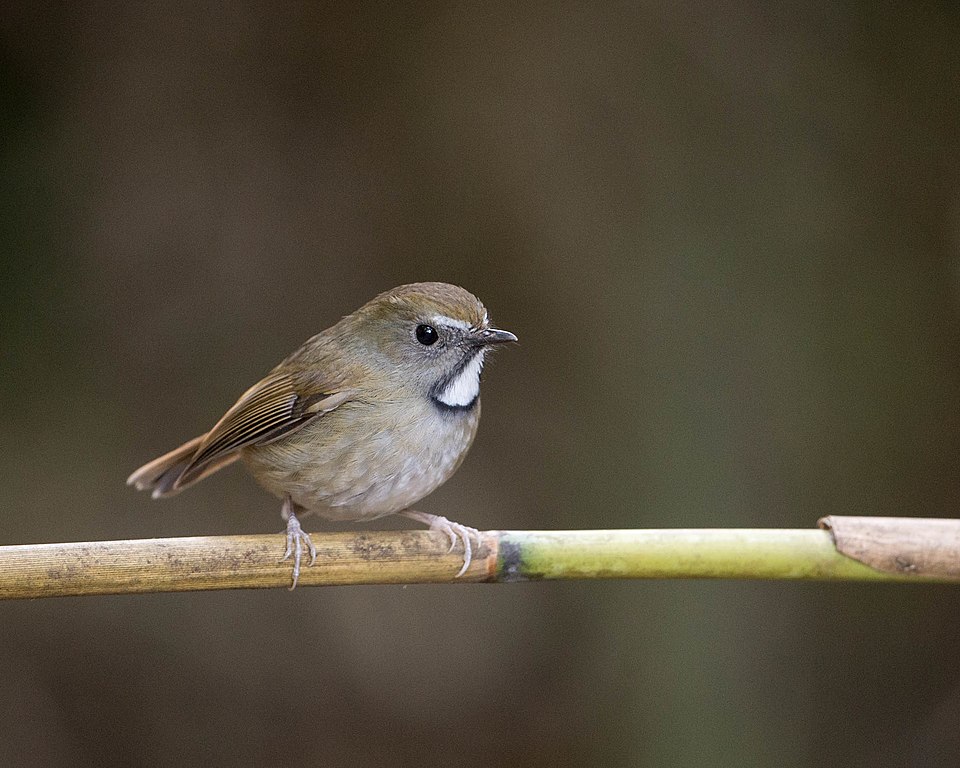
Chinese Blue Flycatcher
Cyornis glaucicomans
Order: Passeriformes / Family: Muscicapidae

Wikimedia Commons
About the Chinese Blue Flycatcher
The Chinese Blue Flycatcher, known scientifically as Cyornis glaucicomans, is a strikingly colorful and melodious songbird belonging to the family Muscicapidae. This species predominantly inhabits the subtropical and tropical moist lowland forests, but it is also found in subtropical and tropical moist montane forests. The bird’s vibrant blue coloring is not only a delight to bird watchers but also plays a role in its ecological interactions, where it uses its bold hues for communication and mating displays.
In terms of its ecological role, the Chinese Blue Flycatcher contributes significantly to its ecosystem as an insectivore, controlling insect populations and serving as prey for larger predators. It is also an indicator of forest health, as it prefers habitats with dense foliage and minimal human disturbance. This preference underlines the importance of preserving natural forests to maintain biodiversity.
Geographically, this bird is found across a broad range of countries in Southeast Asia, including China, Vietnam, Laos, and Myanmar, with its presence also noted in parts of Thailand and Malaysia. The species exhibits seasonal movements, often being more conspicuous during breeding seasons when males display their bright plumage to attract mates. During these periods, observers can witness courtship behaviors that include singing and a series of visual displays.
The Chinese Blue Flycatcher is not just a symbol of natural beauty but also an essential component of its habitat. It plays a crucial role in seed dispersal and pest control, maintaining the ecological balance. Conservation efforts are vital to ensure that this species, along with the intricate web of life it supports, continues to thrive in its natural environment.
The Chinese Blue Flycatcher belongs to the family Muscicapidae, within the order Passeriformes. These birds typically live average 4-6 years, with a max recorded of 8 years.
How to Identify a Chinese Blue Flycatcher
The Chinese Blue Flycatcher is a small to medium-sized songbird, noted for its vivid plumage and active demeanor. Adult males are particularly eye-catching with their bright blue upperparts, contrasting sharply with orange-buff underparts and a white belly. The face is marked by a bluish head with a slight mask effect created by darker lores.
Females, on the other hand, exhibit a more subdued coloration with olive-brown upperparts and a paler buff underbelly, which can sometimes lead to confusion with other flycatcher species. Juveniles resemble females but with more pronounced streaking, giving them a more speckled appearance.
When observing the Chinese Blue Flycatcher, birders often note its upright perching posture and rapid, darting flight, which aids in distinguishing it from other similar species. Its silhouette in flight is characterized by quick, agile movements, typical of insectivorous birds that hunt on the wing. These traits are essential for correct identification, especially in densely vegetated habitats where glimpses can be fleeting.
Having trouble telling birds apart? Upload a photo to our bird identification tool for an instant species match.
Chinese Blue Flycatcher Habitat and Range
Preferred Habitat
The Chinese Blue Flycatcher thrives in subtropical and tropical moist forest environments. These include both lowland and montane forests, where dense foliage provides ample cover and feeding opportunities. The flycatcher is typically found at elevations ranging from 500 to 2,000 meters, adapting to different forest strata as needed.
Seasonal shifts in habitat occur, with birds moving to lower elevations during colder months. While primarily a forest species, it occasionally ventures into rural gardens or low-disturbance plantations, especially where tree cover mimics natural forest conditions.
Unlike some songbirds, the Chinese Blue Flycatcher is rarely found in urban settings, emphasizing its reliance on natural forest structures. Conservation of these habitats is crucial for the flycatcher’s survival and the preservation of its ecological niche.
Geographic Range
The Chinese Blue Flycatcher’s breeding range spans several Southeast Asian countries. It primarily breeds in southern China, extending into northern Vietnam, Laos, and parts of Myanmar. During the non-breeding season, individuals may migrate or disperse to lower elevations within their range, seeking out richer feeding grounds and more temperate climates.
In terms of population density, hotspots include the forested regions of Yunnan in China and the Annamite Range that straddles Vietnam and Laos. These areas provide optimal conditions for breeding and foraging, supporting larger populations.
Migration corridors are not well-documented, but the bird’s presence in varied altitudinal zones suggests a degree of seasonal movement, albeit not long-distance migration. Understanding these patterns can aid in targeted conservation efforts, especially as habitat fragmentation continues to pose a threat.
Want to know which birds visit your area? Browse our backyard birds by location guides for region-specific species lists.
What Does the Chinese Blue Flycatcher Eat?
The Chinese Blue Flycatcher primarily feeds on insects, making it a key player in controlling local insect populations. Its diet primarily consists of small arthropods, including beetles, caterpillars, and spiders. During the breeding season, the nutritional demands of rearing young require increased foraging, often observed through its active hunting behavior.
The flycatcher employs a sit-and-wait strategy, perching quietly on a branch before darting out to snatch prey mid-air or gleaning insects from foliage. This technique allows it to exploit the vertical layers of the forest effectively, from the understory to the mid-canopy.
Seasonal dietary shifts occur, with the bird sometimes incorporating small berries or fruits into its diet, especially when insect availability decreases. This flexibility in feeding strategy supports its survival across different habitats and seasonal changes, underlining the importance of both insect-rich environments and diverse plant life.
Chinese Blue Flycatcher Behavior and Social Structure
The Chinese Blue Flycatcher exhibits a range of behaviors that reflect its adaptation to forest environments. Socially, it tends to be solitary or found in pairs, particularly during the breeding season when males become territorial and engage in elaborate song displays to attract mates and deter rivals.
Courtship involves both vocal and visual displays, with males showcasing their bright plumage and singing extended, melodious phrases from prominent perches. Such displays serve to establish territory boundaries and attract females for breeding.
In response to predators, the flycatcher employs a series of alarm calls and swift evasive maneuvers. During daily activities, it is most active at dawn and dusk, times that coincide with peak insect activity, optimizing its foraging success.
The bird generally avoids large flocks, though it may join mixed-species feeding groups, which offer increased protection and foraging efficiency. Understanding these behaviors provides insights into its ecological needs and the environmental pressures it faces.
Chinese Blue Flycatcher Nesting and Reproduction
The nesting habits of the Chinese Blue Flycatcher reflect its adaptation to dense forest environments. It typically constructs nests in natural cavities or on tree branches, utilizing a variety of materials such as moss, leaves, and feathers, which offer camouflage and protection.
Clutch size generally ranges from two to four eggs, with incubation lasting about 12 to 14 days. Both parents participate in feeding the hatchlings, though the female primarily handles incubation. Parental roles adjust as the chicks grow, with feeding becoming a shared responsibility.
Fledging occurs approximately 12 to 16 days after hatching, depending on environmental conditions and food availability. The species often raises one or two broods per year, with timing influenced by climatic factors and prey abundance. These reproductive strategies underscore the importance of stable environmental conditions for successful breeding.
Chinese Blue Flycatcher Sounds and Vocalizations
The Chinese Blue Flycatcher's primary song is a series of rich, melodious notes that vary in pitch and rhythm, often described as liquid and flute-like. These songs serve both territorial and courtship purposes, primarily during the breeding season.
In addition to its song, the species produces a variety of calls, including sharp 'chip' notes used for communication between mates and to alert of nearby threats. Alarm calls are distinctly sharper and more urgent, signaling the presence of potential predators.
During the dawn chorus, the Chinese Blue Flycatcher’s song can be heard resonating through the forest, adding to the symphony of birdlife that characterizes these habitats. The quality and complexity of its vocalizations make it a favorite among bird enthusiasts seeking to identify species by ear.
Interesting Facts About the Chinese Blue Flycatcher
- 1The Chinese Blue Flycatcher's song is so melodious that it often competes with the symphonies of more recognized songbirds like nightingales.
- 2Despite its striking blue coloration, the Chinese Blue Flycatcher is remarkably elusive, often remaining hidden in dense foliage.
- 3This species' preference for forested regions makes it an important bioindicator of forest health and biodiversity.
- 4The Chinese Blue Flycatcher can adapt its diet to include fruits and berries, showcasing its versatility in changing environments.
- 5Breeding pairs of Chinese Blue Flycatchers exhibit strong territorial behavior, often engaging in vocal duels with rivals.
- 6Its vibrant blue plumage serves as both an attraction to mates and a warning to potential competitors.
- 7Chinese Blue Flycatchers exhibit a remarkable range of vocalizations, adapting their calls to different social and environmental contexts.
Chinese Blue Flycatcher Conservation Status
The Chinese Blue Flycatcher currently holds a status of Least Concern on the IUCN Red List. However, its population trends are uncertain, with potential threats including habitat loss and degradation due to deforestation and human encroachment. Conservation efforts focus on habitat preservation, particularly in forested areas of Southeast Asia that face ongoing threats from logging and agricultural expansion. Protected areas and national parks play a crucial role in maintaining suitable habitats for this species. Historically, the population has fluctuated with changes in forest cover, highlighting the need for sustainable land management practices. Continued monitoring and research are essential to ensure the long-term survival of the Chinese Blue Flycatcher and the ecosystems it inhabits.