
Fulvous-fronted Cisticola
Drymoica fulvifrons
Order: Passeriformes / Family: Sylviidae
About the Fulvous-fronted Cisticola
The Fulvous-fronted Cisticola (Drymoica fulvifrons) is a small, active bird belonging to the Sylviidae family, prevalent across the grasslands and savannas of sub-Saharan Africa. It is a vital component of its ecosystem, providing ecological benefits like insect control and seed dispersal. This species inhabits regions such as Ethiopia, Kenya, and Tanzania, adapting remarkably well to both wet and dry grasslands. Its presence is often noted in areas where tall grasses offer ample cover, providing protection from predators and harsh weather. The Fulvous-fronted Cisticola is a year-round resident, though it may shift slightly in location in response to seasonal changes in vegetation, such as during the dry season when fires or drought might alter its habitat. Notably, it acts as an indicator species for healthy grassland environments. The cisticola's role extends to seed dispersal and insect population control, as it feeds on a variety of insects and seeds. The Fulvous-fronted Cisticola's vibrant plumage, melodic song, and dynamic behavior make it a fascinating subject for birdwatchers and ornithologists alike. Its adaptability to changing environmental conditions ensures its continued presence across its range, contributing to the biodiversity and ecological stability of African grasslands. Understanding these birds' habits, as well as their responses to environmental pressures, can aid in the conservation of grassland habitats, which are under threat from agricultural expansion and climate change. Overall, the Fulvous-fronted Cisticola serves as a reminder of the intricate interdependencies within ecosystems and the importance of preserving natural habitats.
The Fulvous-fronted Cisticola belongs to the family Sylviidae, within the order Passeriformes. These birds typically live average 3-5 years with a maximum recorded of 8 years..
How to Identify a Fulvous-fronted Cisticola
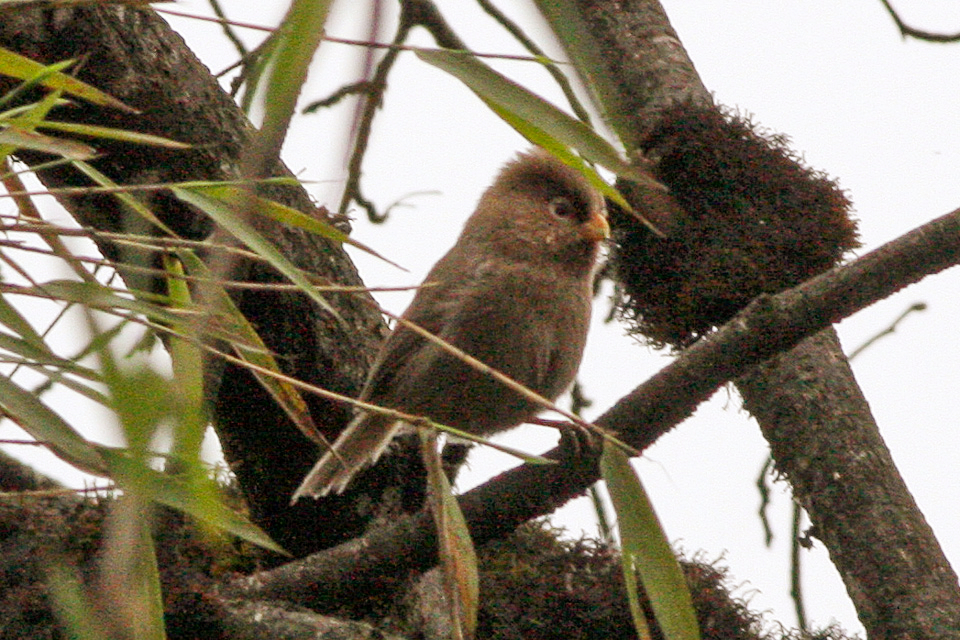
Adult Fulvous-fronted Cisticolas are easily recognized by their distinctive fulvous crown and streaked brown plumage. The underparts are typically lighter, with a whitish throat and buffy flanks. Juveniles resemble adults but tend to have duller plumage and less pronounced streaking. Males and females are similar in appearance, though males may be slightly brighter. When comparing to similar species, the Fulvous-fronted Cisticola can be confused with the Zitting Cisticola, but its fulvous crown and specific vocalizations help differentiate it. In flight, this bird presents a compact silhouette with rapid wingbeats, typical of cisticolas. When perching, it often adopts an upright posture, showcasing its streaked back and distinctive crown.
Having trouble telling birds apart? Upload a photo to our bird identification tool for an instant species match.
Fulvous-fronted Cisticola Habitat and Range
Preferred Habitat
The Fulvous-fronted Cisticola is primarily found in grasslands and savannas, favoring areas with tall grasses and scattered shrubs. It thrives at elevations ranging from sea level to about 2000 meters. Seasonal shifts may occur within its habitat as it moves to find optimal conditions for feeding and breeding. This species is rare in urban environments, preferring rural landscapes where its preferred grassland habitat is abundant. In the dry season, it may seek out areas with remaining vegetation, highlighting its adaptability to changing conditions.
Geographic Range
The Fulvous-fronted Cisticola's range extends across much of sub-Saharan Africa, from Senegal and Gambia in the west to Ethiopia and Somalia in the east, and down to Zambia and Tanzania in the south. It does not migrate long distances, instead exhibiting localized movements in response to seasonal habitat changes. Population density tends to be higher in regions with extensive grassland habitats, such as the Serengeti and the Ethiopian Highlands, where conditions are favorable year-round for breeding and feeding.
Want to know which birds visit your area? Browse our backyard birds by location guides for region-specific species lists.
What Does the Fulvous-fronted Cisticola Eat?
The diet of the Fulvous-fronted Cisticola consists mainly of insects, including beetles, caterpillars, and ants. During the breeding season, it may also consume small seeds and grasses. Its foraging technique involves hopping through dense vegetation, gleaning insects from leaves and stems. The bird's diet adapts to seasonal availability, with a preference for protein-rich insects when feeding young. Foraging activity typically peaks in the early morning and late afternoon, coinciding with periods of higher insect activity.
Fulvous-fronted Cisticola Behavior and Social Structure
Fulvous-fronted Cisticolas exhibit a complex social structure, often forming monogamous pairs during the breeding season. They display strong territorial behavior, with males aggressively defending their territory through song and physical displays. Courtship involves elaborate displays, including aerial chases and singing bouts. Outside of the breeding season, they may form small flocks, enhancing their ability to detect predators. Daily activity patterns include foraging in the morning and late afternoon, with midday spent resting or preening in sheltered areas.
Fulvous-fronted Cisticola Nesting and Reproduction
The Fulvous-fronted Cisticola constructs intricate, dome-shaped nests using grasses and spider silk, usually positioned low in dense grass or shrubs. Clutch size typically ranges from two to four eggs, with an incubation period of about 11 to 14 days. Both parents participate in feeding the chicks, which fledge approximately two weeks after hatching. The species may raise multiple broods per year, taking advantage of favorable conditions during the rainy season.
Fulvous-fronted Cisticola Sounds and Vocalizations
The primary song of the Fulvous-fronted Cisticola is a series of rapid, tinkling notes, often described as a mechanical 'zitting' sound. This song serves as both a territorial declaration and a mating call. Its call notes are sharp and metallic, used to maintain contact between mates and alert others to potential threats. During the dawn chorus, its song is particularly prominent, adding to the rich tapestry of sounds in the African savanna.
Interesting Facts About the Fulvous-fronted Cisticola
- 1Fulvous-fronted Cisticolas can weave nests using spider silk, providing strength and flexibility.
- 2These birds use a 'zitting' call that resembles the sound made by insects, aiding in communication.
- 3A Fulvous-fronted Cisticola's nest is often hidden in tall grasses, protecting it from predators.
- 4The species can raise up to three broods per year, maximizing reproductive success in favorable conditions.
- 5During courtship, males perform aerial chases to impress potential mates and establish territory.
- 6Fulvous-fronted Cisticolas help control insect populations, playing a critical role in ecosystem balance.
- 7Their adaptability to different grassland types allows them to thrive across a broad geographic range.
Fulvous-fronted Cisticola Conservation Status
Currently listed as Least Concern by the IUCN, the Fulvous-fronted Cisticola maintains a stable population. However, threats such as habitat loss due to agriculture and climate change could impact future numbers. Conservation efforts focus on preserving grassland habitats and promoting sustainable land management practices. Historically, the population has shown resilience, but ongoing monitoring is essential to ensure its continued stability in a changing world.
Other Sylviidae Species



Birds Similar to the Fulvous-fronted Cisticola
These species are often confused with the Fulvous-fronted Cisticola due to similar appearance or overlapping range.