
Dull-blue Flycatcher
Eumyias sordidus
Order: Passeriformes / Family: Muscicapidae

Wikimedia Commons
About the Dull-blue Flycatcher
The Dull-blue Flycatcher (Eumyias sordidus) is a small passerine bird endemic to the dense montane forests of Sri Lanka, making it a species of particular interest to ornithologists and bird enthusiasts alike. This bird is an integral part of the forest ecosystem, playing a significant role in insect population control due to its insectivorous diet. Its presence is most prominent in the central highlands, particularly within the sprawling Sinharaja Forest Reserve and the Horton Plains National Park, where it finds the lush, humid environment highly suitable for its needs.
The species' ecological role extends beyond mere insect consumption. By participating in seed dispersal and pollination, albeit to a lesser extent than frugivores, it contributes to the biodiversity of its habitat. The Dull-blue Flycatcher thrives in subtropical or tropical moist montane forests, where it can be observed flitting amidst the lower canopy and forest understory. Its reliance on specific forest types underscores the importance of habitat conservation efforts to ensure its continued survival.
Seasonally, the Dull-blue Flycatcher exhibits interesting behaviors, particularly during the breeding season. As a resident species, it does not undertake long migrations but may show some altitudinal movements to exploit different foraging opportunities within its range. The bird's presence is often announced by its distinct vocalizations, which, during the breeding season, become more pronounced and frequent, serving as a tool for territory establishment and mate attraction. The Dull-blue Flycatcher, with its understated beauty and ecological significance, underscores the rich avifaunal diversity of Sri Lanka's montane forests.
The Dull-blue Flycatcher belongs to the family Muscicapidae, within the order Passeriformes. These birds typically live average 5 years with a maximum recorded of 8 years..
How to Identify a Dull-blue Flycatcher
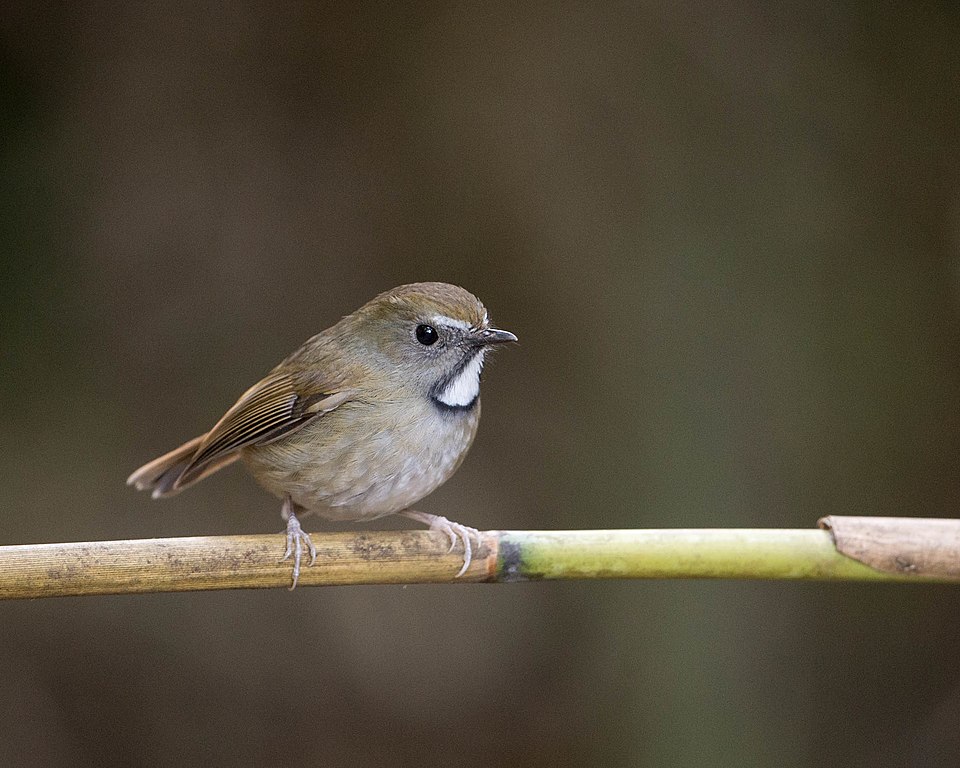
The Dull-blue Flycatcher stands out primarily due to its somewhat muted blue coloration, which gives it its name. Adults exhibit a uniform slate-blue plumage that can appear duller in low light conditions. Males and females are similar in appearance, a trait not uncommon among flycatchers, which can sometimes make individual identification challenging.
Juveniles, however, present a more mottled appearance with both blue and brownish tones, which gradually transition to the adult coloration as they mature. One distinguishing feature is the relatively rounded head and short, straight bill, adapted for its insectivorous feeding habits. This species can often be confused with the Black-naped Monarch, another blue bird found in similar habitats, but the Dull-blue Flycatcher is distinguishable by its lack of a black nape and more consistent blue tone.
In flight, the Dull-blue Flycatcher reveals a swift, agile silhouette typical of flycatchers. It displays a characteristic perching posture, often seen sitting upright on a branch before darting out to catch flying insects. The tail is of moderate length and is occasionally flicked, a behavior that aids in its identification in the field.
Having trouble telling birds apart? Upload a photo to our bird identification tool for an instant species match.
Dull-blue Flycatcher Habitat and Range
Preferred Habitat
The Dull-blue Flycatcher inhabits the montane forests of central Sri Lanka, thriving at elevations typically ranging from 1,500 to 2,500 meters. It prefers dense forested areas where the canopy provides ample cover and where insect prey is abundant. These habitats include both primary and secondary forests, with a particular affinity for areas that offer a mix of understory and mid-canopy layers.
While primarily a forest dweller, it occasionally ventures into more open areas within its elevational range, such as tea plantations and forest edges, especially when searching for food. It does not usually occupy urbanized areas, maintaining its presence in rural and forested environments. Seasonal movements within its habitat are minimal, as the bird remains largely sedentary throughout the year, though it may shift slightly to exploit varying resources as seasons change.
Geographic Range
The Dull-blue Flycatcher is endemic to Sri Lanka, with its range confined to the island's central highlands. It is most commonly found in the montane regions of the Central Province, including notable birding hotspots like the Knuckles Mountain Range and the Peak Wilderness Sanctuary. Its population density is highest in protected areas such as the Horton Plains National Park and Sinharaja Forest Reserve, where habitat conditions are ideal.
Unlike many other flycatchers, the Dull-blue Flycatcher is not migratory, and its range does not extend beyond the island. This limited distribution makes it particularly vulnerable to habitat changes. However, within its range, the bird is fairly widespread, although population densities can vary significantly depending on habitat quality and availability of resources.
Want to know which birds visit your area? Browse our backyard birds by location guides for region-specific species lists.
What Does the Dull-blue Flycatcher Eat?
The diet of the Dull-blue Flycatcher primarily consists of insects and other small invertebrates, which it adeptly catches while on the wing. Common prey items include flies, beetles, ants, and caterpillars. During periods of high insect availability, such as the rainy season, its diet may become more varied, incorporating a wider range of insect species.
The flycatcher employs a sit-and-wait foraging strategy, often perching quietly before making sudden, brief sallies to capture prey mid-air. This technique is both energy-efficient and effective in its dense forest habitat. On occasion, it may also forage among foliage, gleaning insects from leaves and branches. Its feeding schedule is typically diurnal, with peak activity occurring in the early morning and late afternoon when insects are most active.
Dull-blue Flycatcher Behavior and Social Structure
The Dull-blue Flycatcher exhibits a solitary or paired social structure outside the breeding season. Territorial by nature, males aggressively defend their breeding territories during the breeding season, which is typically aligned with the onset of the monsoon. They do so using vocalizations and physical displays to ward off rivals and attract mates.
Courtship involves a series of aerial displays, accompanied by distinct vocalizations that serve both as a mating call and a deterrent to other males. The flycatcher does not form large flocks, even in non-breeding seasons, preferring instead the company of a single mate or small family groups.
When faced with potential predators, the Dull-blue Flycatcher often employs alarm calls to alert others of danger. Its keen awareness and quick reflexes enable it to evade many threats, although nest predation remains a significant risk during the breeding season. Daily activity patterns show a clear preference for dawn and dusk periods, aligning with peak insect activity.
Dull-blue Flycatcher Nesting and Reproduction
Nesting for the Dull-blue Flycatcher typically occurs from March to May, coinciding with the beginning of the wet season in Sri Lanka. Nests are cup-shaped and constructed using a variety of materials such as moss, lichen, and fine roots, often lined with softer materials like feathers or plant down. These nests are strategically located on tree branches or within the fork of a tree, providing both stability and concealment.
The typical clutch size ranges from two to three eggs, with an incubation period of about 14 to 16 days. Both parents share incubation duties, though the female often takes the lead role. After hatching, the fledgling period lasts approximately 16 to 20 days, during which both parents are actively involved in feeding and caring for the young. Generally, the Dull-blue Flycatcher raises one brood per year, although favorable conditions might allow for a second.
Dull-blue Flycatcher Sounds and Vocalizations
The primary song of the Dull-blue Flycatcher is a series of melodious, fluid whistles that rise and fall in pitch, often described as both sweet and penetrating. These songs serve as territorial markers and as mating calls during the breeding season. In addition to its song, the flycatcher produces a variety of call notes, including a sharp 'chip' used for communication between mates or to signal alarm.
Alarm calls are typically more abrupt and harsher, alerting nearby birds to potential threats. During the dawn chorus, the Dull-blue Flycatcher's song is often one of the first to be heard, cutting through the ambient sounds of the forest with its clear, musical quality.
Interesting Facts About the Dull-blue Flycatcher
- 1The Dull-blue Flycatcher is one of the few bird species that remain largely sedentary, showing minimal migratory behavior.
- 2Despite its name, the Dull-blue Flycatcher can appear strikingly vibrant when sunlight catches its plumage.
- 3This flycatcher species is exclusively found in Sri Lanka, making it a must-see for bird watchers visiting the island.
- 4The bird's quiet, unobtrusive behavior often makes it a challenge to spot, adding to the thrill of sighting one.
- 5During courtship, the male Dull-blue Flycatcher performs an intricate aerial display to attract a mate.
Dull-blue Flycatcher Conservation Status
The Dull-blue Flycatcher is currently classified as Near Threatened by the IUCN. The primary threat to its population is habitat loss due to deforestation and land conversion for agriculture, particularly in the central highlands of Sri Lanka. Despite its limited range, the population appears to be stable in well-protected areas. Conservation efforts focus on habitat preservation through the establishment and maintenance of protected areas like national parks and forest reserves. These measures have been somewhat successful in mitigating the impact of human activities. Historical population trends indicate a decline in numbers corresponding with increased logging activities, though recent years have seen stabilization thanks to conservation initiatives.
Other Muscicapidae Species


Birds Similar to the Dull-blue Flycatcher
These species are often confused with the Dull-blue Flycatcher due to similar appearance or overlapping range.

