Enicurus coronatus
Enicurus coronatus
Order: Passeriformes / Family: Muscicapidae
About the Enicurus coronatus
The Crowned Forktail, scientifically known as Enicurus coronatus, is a captivating member of the Muscicapidae family. This bird is primarily found in the dense forests and wooded streams of southern Asia, where its striking black and white plumage makes it a visual standout against the lush, green backdrop of its natural habitat. Its presence is a testament to the ecological health of these regions, given its preference for unspoiled, water-rich environments. The bird's distribution spans from the Indian subcontinent to Southeast Asia, including countries such as India, Nepal, Bhutan, Bangladesh, and parts of Myanmar. Enicurus coronatus plays a vital role in its ecosystem by controlling insect populations, which it avidly hunts along forest streams and riverbanks. During the breeding season, which typically occurs from March to July, the Crowned Forktail exhibits heightened territorial behavior, choosing nesting sites that are well-concealed yet close to water sources. The bird’s ecological role extends beyond pest control; it serves as an indicator species for healthy waterways, as its presence suggests balanced and pristine environmental conditions. Conservationists closely monitor its habitat, as deforestation and water pollution pose significant threats to its survival. In the winter months, the Crowned Forktail may descend to lower altitudes, seeking out sheltered valleys and less dense forest areas where food remains abundant. This seasonal movement not only aids in its survival during harsher climatic conditions but also allows it to exploit different ecological niches depending on the time of year. As a species that thrives in forested, riparian zones, the Crowned Forktail is emblematic of the intricate balance required to maintain biodiversity in these fragile ecosystems. Its continued presence in these areas underscores the importance of conservation efforts aimed at preserving natural habitats throughout its range.
The Enicurus coronatus belongs to the family Muscicapidae, within the order Passeriformes. These birds typically live average 4-6 years, with a maximum recorded of 8 years..
How to Identify a Enicurus coronatus
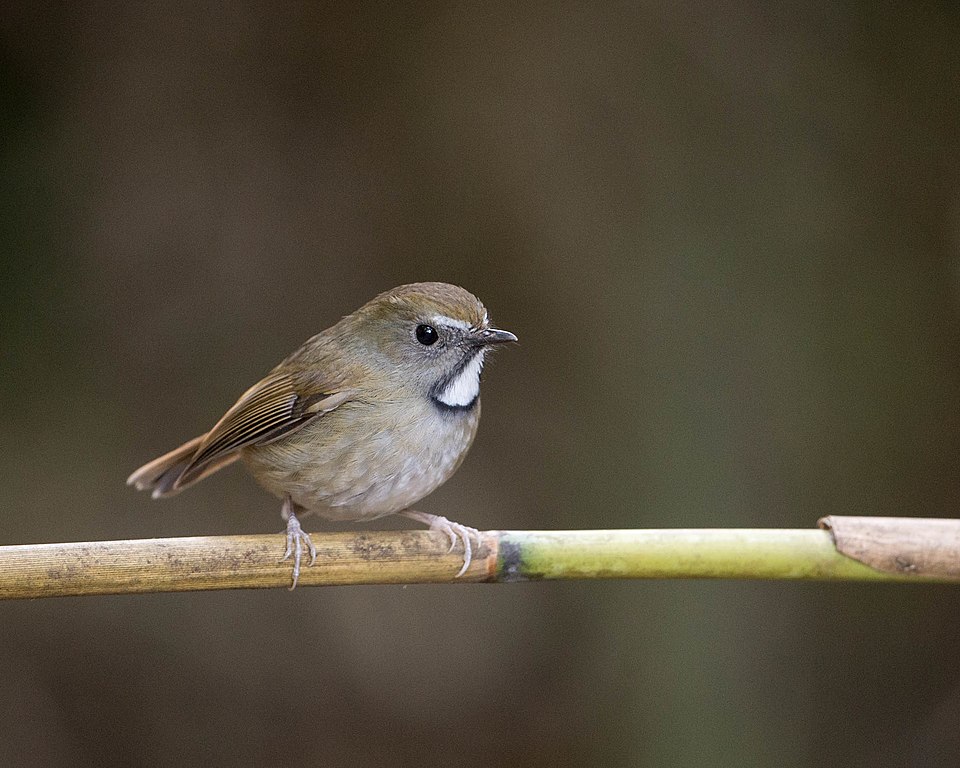
The Crowned Forktail is a small, eye-catching bird with a distinctive black and white color pattern. Adults exhibit a glossy black crown and back, contrasted by a bright white belly and undertail coverts. The most striking feature is its tail, which is long and deeply forked, with white outer feathers that create a stark contrast against the dark inner ones. Juveniles, in comparison, have a more subdued coloration, with a brownish hue replacing the jet black seen in adults. Males and females appear similar in plumage, making gender identification in the field challenging. However, males might have slightly more pronounced black markings during the breeding season. The Crowned Forktail's silhouette in flight is unmistakable due to its long, forked tail and rapid, agile movements. When perched, these birds often bob their tails up and down, a behavior that can help distinguish them from similar species. Confusion may arise with other forktails, but the distinctive crown and specific tail pattern of Enicurus coronatus serve as key identifying features.
Having trouble telling birds apart? Upload a photo to our bird identification tool for an instant species match.
Enicurus coronatus Habitat and Range
Preferred Habitat
Enicurus coronatus predominantly inhabits subtropical and tropical moist lowland forests, montane forests, and riparian zones. It thrives at elevations ranging from 300 to 2,400 meters, often favoring areas with abundant streamside vegetation. These birds are rarely found far from water, as their preferred foraging grounds are along the banks of clear, fast-flowing streams and rivers. In terms of seasonal habitat shifts, during the non-breeding season, the Crowned Forktail may venture to lower elevations where the forest is less dense but still offers ample cover and food resources. The species is rarely observed in urban environments, as it requires the specific microhabitats provided by forest streams, which urban areas typically lack.
Geographic Range
The Crowned Forktail has a distribution that encompasses several Asian countries. It breeds primarily in the foothills of the Himalayas, stretching from northern India through Nepal, Bhutan, and into northern Bangladesh. The species also extends into parts of Myanmar and southern China. During the winter months, some populations may migrate to lower altitudinal zones within the same regions, although extensive long-distance migration is not typical for this species. Within its range, population density is highest in undisturbed forest regions with abundant freshwater sources. The bird's presence in protected areas and national parks, such as the Royal Manas National Park in Bhutan and the Chitwan National Park in Nepal, underscores the importance of these conservation areas for its survival.
Want to know which birds visit your area? Browse our backyard birds by location guides for region-specific species lists.
What Does the Enicurus coronatus Eat?
The primary diet of the Crowned Forktail consists of insects and other small invertebrates. It forages along stream banks, flipping over leaves and debris in search of prey. Common dietary components include aquatic insects such as mayflies, dragonflies, and caddisflies, which are abundant in its preferred riparian habitats. During the breeding season, the bird's diet may shift slightly to include more protein-rich prey, supporting the increased energy demands of raising young. Foraging typically occurs during the cooler parts of the day, early morning and late afternoon, when insect activity is highest. The forktail's feeding strategy involves swift, precise movements and a keen eye, allowing it to capture prey both in the air and on the ground.
Enicurus coronatus Behavior and Social Structure
Crowned Forktails are generally solitary or found in pairs, particularly during the breeding season when they exhibit strong territorial behavior. Males engage in aerial displays and vocalizations to establish and defend their territories. Courtship involves a series of calls and displays, where males present food items to females as part of the bonding process. Outside the breeding season, they may be observed in loose flocks, often alongside other insectivorous birds, which can enhance foraging success. In terms of predator response, the Crowned Forktail relies on its cryptic coloration and agility to evade threats. Its daily activity pattern typically involves foraging during the cooler parts of the day, with periods of rest during the midday heat.
Enicurus coronatus Nesting and Reproduction
Enicurus coronatus constructs cup-shaped nests using moss, leaves, and twigs, strategically placed in crevices or on ledges close to water. Nest sites are carefully chosen to be well-concealed from predators. The typical clutch size ranges from three to four eggs, which are incubated primarily by the female for about 14 days. After hatching, both parents partake in feeding the chicks, which fledge approximately 14-16 days post-hatching. The species may have one or two broods per year, depending on environmental conditions and food availability. Parental roles are cooperative, with both sexes participating in nest building, incubation, and chick-rearing.
Enicurus coronatus Sounds and Vocalizations
The song of the Crowned Forktail is a melodious series of clear, fluty whistles that vary in pitch and rhythm. These calls are often used during territorial displays and courtship. The bird also produces a sharp, metallic 'tik' sound as an alarm call, alerting others to potential danger. During the dawn chorus, its song can be heard resonating through the forest, adding to the cacophony of the awakening wildlife. The Crowned Forktail's vocalizations are not only a form of communication but also play a role in establishing and maintaining territory boundaries.
Interesting Facts About the Enicurus coronatus
- 1Despite its striking appearance, the Crowned Forktail is often elusive, preferring to stay close to dense undergrowth and streamside vegetation.
- 2The Crowned Forktail's forked tail not only aids in identification but also enhances its maneuverability in flight, allowing for agile movements in pursuit of prey.
- 3This bird exhibits a unique tail-bobbing behavior when perched, a characteristic trait among forktails that aids in distinguishing them from other passerines.
- 4Crowned Forktails are highly territorial, with males known to fiercely protect their nesting sites from intruders during the breeding season.
- 5The species is an indicator of healthy riparian ecosystems, as it requires clean and undisturbed waterways to thrive.
- 6During the breeding season, the Crowned Forktail's song is more prolonged and complex, serving to attract mates and deter rivals.
- 7In areas where their habitat overlaps with other forktail species, the Crowned Forktail can be identified by its distinctive crown and tail pattern.
Enicurus coronatus Conservation Status
Currently, the IUCN lists the Crowned Forktail as a species of Least Concern, with populations considered stable. However, habitat destruction due to deforestation and water pollution poses ongoing threats. Conservation efforts focus on preserving natural forest habitats and protecting water quality in regions where the bird is found. Historical data suggest a decline in some local populations, primarily attributed to human encroachment and habitat degradation. Continued monitoring is essential to ensure that this visually striking and ecologically important species remains an integral part of its native ecosystems.