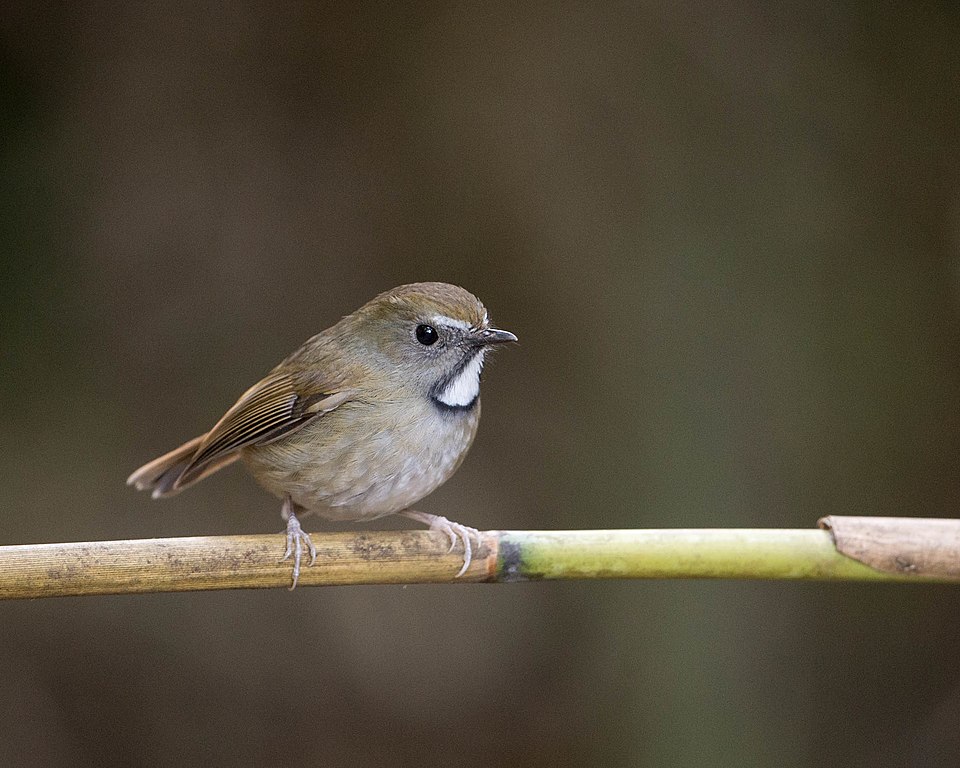
Erithacus superbus
Erithacus superbus
Order: Passeriformes / Family: Muscicapidae

Wikimedia Commons
About the Erithacus superbus
The Erithacus superbus, commonly known as the Tenerife Robin, is a captivating songbird endemic to the Canary Islands, specifically Tenerife and La Gomera. Belonging to the family Muscicapidae and order Passeriformes, this bird has garnered attention for its striking appearance and enchanting vocalizations. The Tenerife Robin plays a significant ecological role within its habitat, primarily inhabiting the laurel forests and thermophilous woodlands of the islands. These forests, characterized by dense vegetation and a humid climate, provide ideal conditions for the bird's survival and reproduction. The species thrives in these lush environments, where it can be observed foraging for insects and other small invertebrates. The Tenerife Robin's presence in these regions underscores its importance as both a predator of insects and a seed disperser, contributing to the ecological balance of these unique island ecosystems. Seasonally, the bird remains relatively sedentary, exhibiting limited migratory behavior compared to other passerines. Throughout the year, the Erithacus superbus engages in various activities that underscore its adaptability and resilience. During the breeding season, which typically spans from March to June, the Tenerife Robin becomes particularly vocal. Its melodious song serves not only to attract mates but also to establish and defend territories. As the seasons transition, the bird's diet shifts slightly to accommodate the availability of food sources, though it maintains a consistent presence in its preferred habitats. The Tenerife Robin's adaptability to the seasonal changes in its environment highlights its ecological significance and underscores the need for conservation efforts to preserve these vital habitats.
The Erithacus superbus belongs to the family Muscicapidae, within the order Passeriformes. These birds typically live Average lifespan is not well-documented due to limited sightings..
How to Identify a Erithacus superbus
The adult Tenerife Robin, Erithacus superbus, is easily identifiable by its vibrant orange breast, which contrasts strikingly with its olive-brown upperparts and grayish-white belly. This rich coloration serves as a distinguishing field mark, especially when compared to similar species such as the European Robin. Juvenile Tenerife Robins exhibit a more subdued plumage, characterized by a mottled brown appearance that provides camouflage against potential predators. As they mature, their plumage gradually develops the distinctive orange hue. While males and females appear similar in coloring, subtle differences in brightness can sometimes be observed, with males occasionally displaying slightly more vivid tones. In flight, the Tenerife Robin exhibits a swift and agile silhouette, with rounded wings facilitating quick, darting movements. When perched, the bird maintains an upright posture, often flicking its tail and moving restlessly, behaviors typical of the Muscicapidae family. Observers may sometimes confuse the Tenerife Robin with other small passerines, but the combination of its size, coloration, and distinctive song helps to differentiate it from other species.
Having trouble telling birds apart? Upload a photo to our bird identification tool for an instant species match.
Erithacus superbus Habitat and Range
Preferred Habitat
The Tenerife Robin predominantly inhabits the laurel forests and thermophilous woodlands of the Canary Islands. These habitats, located at elevations ranging from 400 to 1,500 meters, provide the ideal mix of humidity and dense vegetation crucial for the bird's survival. The laurel forests, in particular, offer a rich biodiversity and a stable microclimate, supporting the Robin's dietary and nesting needs. During different seasons, the Tenerife Robin may also be spotted in more open areas adjacent to these forests, such as forest edges and clearings. In urban environments, the species is less common, preferring the undisturbed forest habitats where it can safely forage and nest. Despite its preference for natural settings, the bird's adaptability allows it to occasionally venture into subtropical gardens and parks within its range.
Geographic Range
The Tenerife Robin, Erithacus superbus, has a restricted range, confined primarily to the islands of Tenerife and La Gomera in the Canary Archipelago. Within these islands, the species exhibits a relatively high population density, particularly in areas where laurel forests are prevalent. This limited range means the species does not engage in long-distance migration, instead maintaining a year-round presence in its preferred habitats. The absence of significant migration corridors highlights the bird's reliance on the specific conditions provided by the Canary Islands. Despite its limited geographic range, the Tenerife Robin enjoys a stable presence within these areas, benefiting from the islands' protected natural reserves and conservation measures aimed at preserving its unique habitats.
Want to know which birds visit your area? Browse our backyard birds by location guides for region-specific species lists.
What Does the Erithacus superbus Eat?
The diet of the Tenerife Robin primarily consists of insects and small invertebrates, which it adeptly forages from the forest floor and foliage. Spiders, beetles, and larvae form the bulk of its diet, providing essential nutrients for energy and reproduction. During the breeding season, the Robin's intake of protein-rich prey increases, supporting the demands of raising young. In addition to animal prey, the bird occasionally supplements its diet with fruits and berries, particularly during the autumn months when these food sources become more abundant. This dietary flexibility aids the Robin in adapting to seasonal changes in food availability. The Tenerife Robin employs a variety of foraging techniques, including ground hopping and short flights to capture prey, demonstrating its agility and adaptability in exploiting different food sources.
Erithacus superbus Behavior and Social Structure
The Tenerife Robin exhibits a solitary and territorial nature, often defending its chosen patch of forest against intruders with both song and physical displays. During the breeding season, males engage in elaborate courtship displays, including singing, wing flicking, and tail fanning, to attract potential mates. These displays are critical for establishing pair bonds and ensuring reproductive success. Although primarily solitary, the Tenerife Robin can occasionally be observed in loose associations outside the breeding season, particularly when foraging opportunities arise in shared habitats. In response to predators, the Robin relies on its agility and the dense vegetation of its habitat for cover. Its alarm calls serve as a warning to both conspecifics and other species within the forest. Daily activity patterns of the Tenerife Robin reveal a preference for early morning and late afternoon activity, times when insect prey is most accessible and temperatures are more favorable.
Erithacus superbus Nesting and Reproduction
The Tenerife Robin constructs a cup-shaped nest, typically located in dense undergrowth or on a sheltered ledge within the laurel forests. Moss, leaves, and grass form the primary materials used in nest construction, providing both insulation and camouflage. The female lays a clutch of 3 to 5 eggs, which she incubates for approximately 13 to 14 days. During this period, the male plays a supportive role, providing food to the incubating female. Once hatched, the chicks remain in the nest for around 14 to 16 days before fledging. Both parents participate in feeding the young, ensuring their rapid growth and development. The Tenerife Robin may produce one to two broods per year, depending on environmental conditions and food availability.
Erithacus superbus Sounds and Vocalizations
The song of the Tenerife Robin is a melodious series of clear, sweet notes, often delivered in a repetitive and rhythmic pattern. This song serves as both a territorial declaration and an invitation to potential mates during the breeding season. In addition to its primary song, the Robin emits a variety of call notes, including sharp, ticking sounds used as alarm calls. These calls alert nearby birds to the presence of potential threats. During the early morning hours, the Tenerife Robin contributes to the dawn chorus, its song blending with those of other forest inhabitants. Its vocal repertoire, while similar in some aspects to that of the European Robin, possesses distinct tonal qualities that reflect its unique island habitat.
Interesting Facts About the Erithacus superbus
- 1The Tenerife Robin's scientific name, Erithacus superbus, aptly reflects its striking appearance, with 'superbus' meaning 'splendid' or 'magnificent.'
- 2Unlike its mainland relative, the European Robin, the Tenerife Robin is non-migratory, residing year-round in its island habitat.
- 3The Tenerife Robin exhibits a unique vocal repertoire, with some notes mimicking the sounds of other island birds.
- 4This robin species thrives in humid laurel forests, often referred to as 'cloud forests' due to their consistent moisture levels.
- 5The Tenerife Robin plays a crucial role in seed dispersal, aiding the regeneration of native forest plant species.
- 6Despite its limited range, the Tenerife Robin has adapted to diverse microhabitats within the laurel forest ecosystem.
- 7The vibrant orange breast of the Tenerife Robin serves not only as a field mark but also as a key component in its courtship displays.
Erithacus superbus Conservation Status
The IUCN currently lists the Tenerife Robin as a species of Least Concern, reflecting its stable population within its limited range. While the species does not face immediate threats of decline, habitat degradation due to human activities poses potential risks. Conservation efforts in the Canary Islands focus on preserving the critical laurel forests and implementing measures to mitigate habitat loss. Historical changes in land use have affected the extent of available habitats, but ongoing conservation initiatives aim to safeguard the remaining forest areas. Public awareness campaigns and protected area management play key roles in ensuring the long-term survival of the Tenerife Robin.