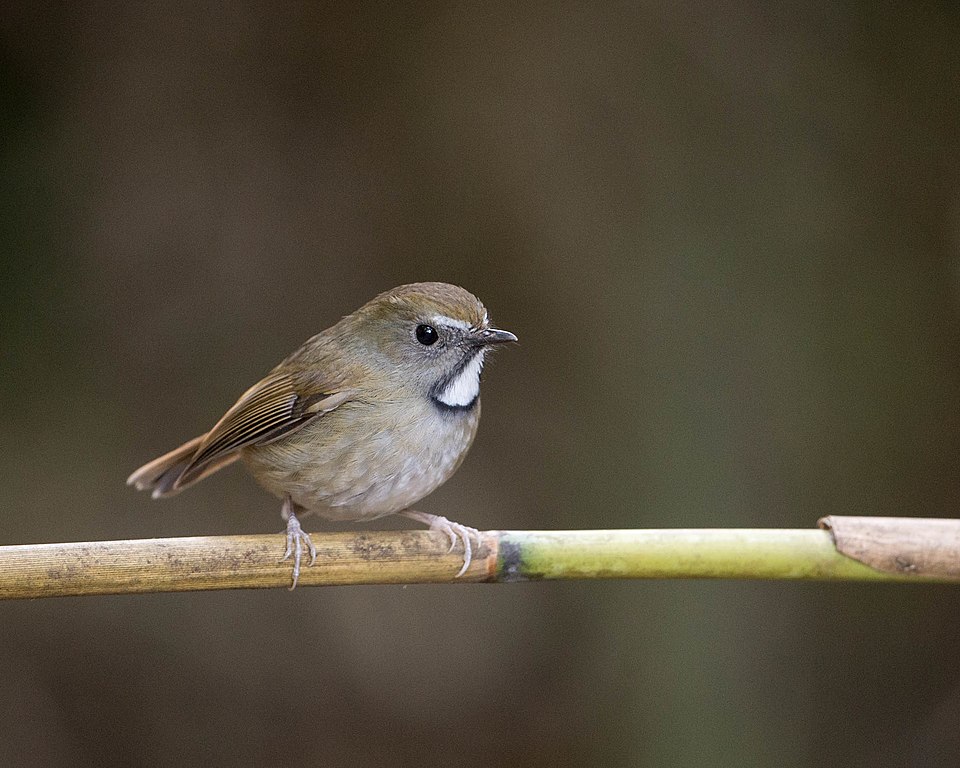
European Stonechat
Saxicola rubicola
Order: Passeriformes / Family: Muscicapidae

Wikimedia Commons
About the European Stonechat
The European Stonechat (Saxicola rubicola) is a small, charismatic passerine bird belonging to the Muscicapidae family. It is primarily found across Europe and parts of North Africa, inhabiting open landscapes with scattered vegetation. The stonechat is an essential part of its ecosystem, often serving as an indicator species for habitat quality. During the breeding season, this bird is a common sight in heathlands, grasslands, and coastal regions where it perches conspicuously atop shrubs and low trees. Its presence is significant in maintaining the ecological balance, as it helps control insect populations and contributes to seed dispersal through its feeding habits. Stonechats are known for their resilience and adaptability, thriving in a range of environments from Ireland and the UK to the Mediterranean and beyond. As a migratory species, the stonechat exhibits fascinating seasonal behaviors. In autumn, many populations in northern and eastern Europe migrate to milder climates in southern Europe and North Africa, returning to their breeding grounds in early spring. This migration pattern not only highlights their adaptability but also underscores their importance as a link between diverse ecosystems across continents. Despite facing challenges such as habitat loss and climate change, the European Stonechat continues to be a widespread and common presence in its range. Their ability to adapt to changing environments and their relatively stable population numbers make them a species of least concern according to the IUCN. However, ongoing monitoring and conservation efforts remain crucial to ensure their habitats continue to support healthy populations. The European Stonechat's role in the ecosystem, combined with its striking appearance and distinctive behaviors, makes it a fascinating subject for birdwatchers and ornithologists alike.
The European Stonechat belongs to the family Muscicapidae, within the order Passeriformes. These birds typically live typically 2-5 years with a maximum recorded of 7 years..
How to Identify a European Stonechat
The European Stonechat is a small bird, measuring around 12-13 cm in length with a wingspan of 18-21 cm. Males in breeding plumage are particularly striking, displaying a distinctive black head, throat, and back, contrasted with a bright orange chest and flanks. Their white neck patches and rump are particularly noticeable, especially when the bird is in flight. Females are more subdued in coloration, with brown upperparts and a paler orange-buff on the breast. Juvenile stonechats resemble females but have additional streaks on their upper parts, offering them camouflage in their natural habitats. The species can be distinguished from similar birds like the Whinchat by the absence of a prominent white eyebrow. In flight, the European Stonechat exhibits a characteristic fluttery flight pattern, often revealing its white outer tail feathers. When perched, it frequently bobs its tail and flicks its wings, a behavior that can help with identification in the field.
Having trouble telling birds apart? Upload a photo to our bird identification tool for an instant species match.
European Stonechat Habitat and Range
Preferred Habitat
The European Stonechat thrives in open habitats with scattered vegetation such as heathlands, moorlands, and coastal areas. It prefers low-lying areas but can be found up to altitudes of 2,000 meters in some mountainous regions. During the breeding season, stonechats favor areas with dense shrubs or gorse, which provide both nesting sites and perches for hunting insects. In the winter months, they may move to slightly different habitats, such as agricultural fields or open woodlands, to access food more easily. While primarily associated with rural landscapes, stonechats can occasionally be observed in urban fringes where suitable habitats are present. Their adaptability to various environments underscores their resilience as a species.
Geographic Range
The breeding range of the European Stonechat extends across much of Europe, from Ireland and the British Isles in the west to Russia in the east. They are also found in parts of North Africa, including Morocco and Algeria. During the winter, many northern populations migrate south to the Iberian Peninsula, Italy, and North Africa, with some reaching as far as the Middle East. While they are resident in milder regions such as the UK and Western Europe, these populations may still exhibit some local movement in response to harsh weather conditions. Population densities are highest in areas with extensive heathlands and open countryside, such as the heaths of southern England and the moors of Scotland.
Want to know which birds visit your area? Browse our backyard birds by location guides for region-specific species lists.
What Does the European Stonechat Eat?
The European Stonechat primarily feeds on insects and other invertebrates, which it captures by sallying from a perch to snatch prey in mid-air or on the ground. Its diet includes beetles, flies, caterpillars, and spiders, and it may occasionally consume seeds and small berries, particularly in the winter months when insect availability decreases. Stonechats are diurnal foragers, typically seen actively hunting in the early morning and late afternoon. They often forage alone or in pairs, using elevated perches to scan for prey. This hunting strategy not only aids in efficient prey capture but also reduces the risk of predation.
European Stonechat Behavior and Social Structure
European Stonechats are known for their territorial behavior, especially during the breeding season when males fiercely defend their territories from intruders. They exhibit a variety of behaviors to establish dominance, including singing from prominent perches and engaging in aerial displays. Courtship involves males displaying their bright plumage and performing a series of flight displays to attract females. Stonechats are generally solitary or found in pairs outside the breeding season, although they may form small loose flocks in winter. Their response to predators includes giving a distinctive 'chak-chak' alarm call and performing distraction displays to protect their nests. Daily activities are marked by periods of active foraging interspersed with rest and preening.
European Stonechat Nesting and Reproduction
The European Stonechat builds a cup-shaped nest, typically located close to the ground within dense vegetation such as gorse or brambles. Nests are constructed from grasses, moss, and roots, lined with softer materials like feathers and hair. A typical clutch consists of 4-6 eggs, which the female incubates for about 11-14 days. After hatching, both parents participate in feeding the chicks, which fledge approximately 12-14 days after hatching. Stonechats usually raise two broods per year, with the second brood often occurring later in the summer. Parental roles are fairly balanced, with both male and female sharing the responsibilities of feeding and protecting the young.
European Stonechat Sounds and Vocalizations
The song of the European Stonechat is a distinctive series of scratchy, chat-like notes that can be described as 'sax-sax-chak-chak'. This song serves both territorial and courtship purposes. In addition to their typical song, stonechats produce a variety of calls, including a sharp 'chak' alarm call used to warn of predators. During the dawn chorus, males are particularly vocal, using their song to assert territorial dominance and attract mates. Their vocalizations are an integral part of their behavioral repertoire, contributing to their charm and making them a favorite amongst birdwatchers.
Interesting Facts About the European Stonechat
- 1The European Stonechat is named for its call, which resembles the sound of stones being clicked together.
- 2Stonechats often perch on top of gorse bushes, making them easy to spot despite their small size.
- 3Unlike many migratory birds, some European Stonechats are partly resident, depending on local climate conditions.
- 4Stonechats have adapted to survive in a variety of habitats, from coastal dunes to alpine meadows.
- 5The white throat patch on male stonechats is a key feature used in displays to attract females and deter rivals.
- 6European Stonechats can be seen throughout the year in parts of Europe, thanks to their adaptability.
- 7The stonechat is a close relative of the African Stonechat, which occupies a similar ecological niche in Africa.
European Stonechat Conservation Status
The European Stonechat is currently listed as Least Concern by the IUCN, with populations considered relatively stable. However, habitat loss due to agricultural intensification and land-use changes poses ongoing threats. Conservation efforts focus on preserving and restoring heathland and grassland habitats, which are crucial for breeding and feeding. Historical declines were noted in the 20th century, particularly in northern Europe, but protective measures have helped stabilize numbers. Continued monitoring and habitat conservation remain essential to ensure the long-term viability of stonechat populations.