
Gabela Akalat
Sheppardia gabela
Order: Passeriformes / Family: Muscicapidae

Wikimedia Commons
About the Gabela Akalat
The Gabela Akalat, scientifically known as Sheppardia gabela, is an elusive songbird endemic to Angola's central highlands. Its significance extends beyond its rarity, representing a unique avian lineage within the Muscicapidae family and highlighting the ecological importance of its native habitat. Primarily found in the Gabela region, this species inhabits subtropical or tropical moist lowland forests and montane forests, areas that are crucial for its survival. The Gabela Akalat's role in its ecosystem includes seed dispersal and insect population control, vital processes for maintaining forest health. Seasonal behaviors of the Gabela Akalat are largely centered around breeding activities, which are influenced by the rainy season. Typically, the breeding season aligns with the austral summer months when food is abundant and environmental conditions are favorable. The bird’s cryptic nature and preference for dense undergrowth make it a challenging subject for birdwatchers, yet its presence is a key indicator of forest vitality. Conservationists have singled out the Gabela Akalat as an emblematic species for habitat preservation efforts, given its vulnerability to deforestation and habitat fragmentation. As the Angolan montane and lowland forests face increasing pressure from agricultural expansion and logging, the Gabela Akalat's restricted range becomes a focal point for biodiversity conservation strategies. Efforts to protect this species are intertwined with broader initiatives to conserve the region’s unique biota, emphasizing the interconnectedness of species and ecosystems in Angola’s ecological tapestry.
The Gabela Akalat belongs to the family Muscicapidae, within the order Passeriformes. These birds typically live average 4-6 years with a maximum recorded of 7 years.
How to Identify a Gabela Akalat
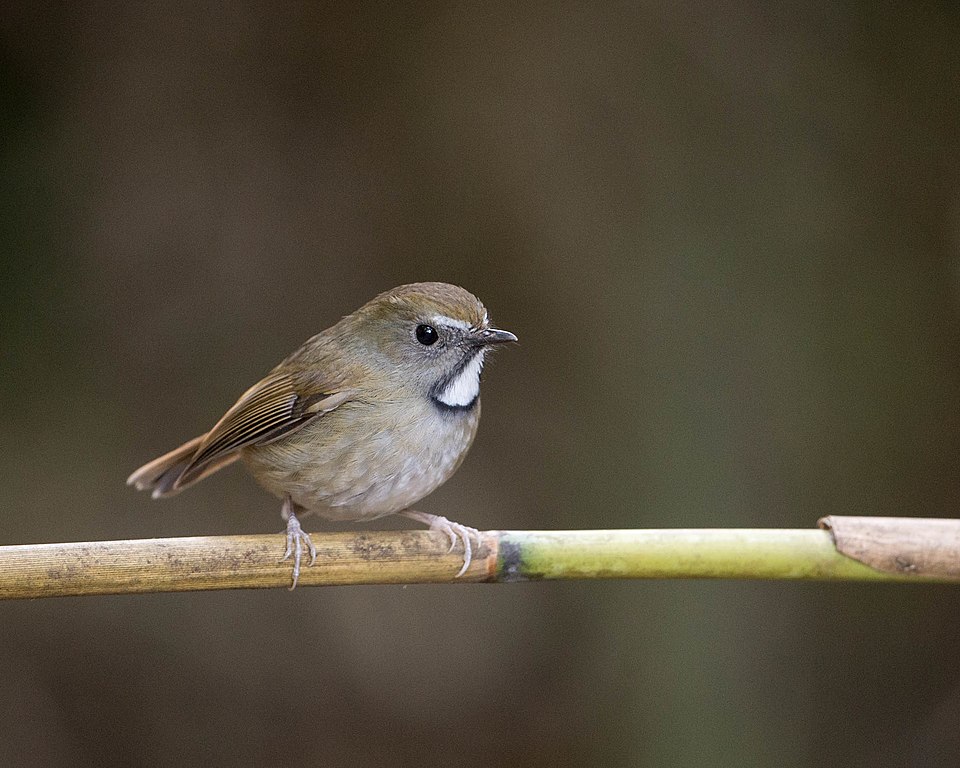
Identifying the Gabela Akalat involves noting its compact size and distinctive plumage. Adults feature a warm olive-brown coloration on their upperparts, contrasted with a paler, buffy underbelly. The throat and breast are tinged with a subtle orange wash, a key field mark distinguishing it from similar species. Juvenile Gabela Akalats resemble adults but exhibit slightly duller plumage with more pronounced streaking, aiding in camouflage amongst the forest floor. Males and females are largely similar in appearance, though males may exhibit marginally brighter orange tones during the breeding season. This bird can be confused with other akalat species, but its limited range and specific vocalizations help in accurate identification. In flight, the Gabela Akalat presents a compact silhouette with rapid wingbeats and short, rounded wings. While perching, it often adopts a horizontal posture, blending seamlessly with its environment.
Having trouble telling birds apart? Upload a photo to our bird identification tool for an instant species match.
Gabela Akalat Habitat and Range
Preferred Habitat
The Gabela Akalat resides exclusively in Angola, favoring well-preserved subtropical and tropical moist lowland and montane forests. It thrives in dense undergrowth, often found at elevations ranging from 500 to 1,500 meters. The bird's habitat selection is closely tied to the availability of lush, green foliage, which provides both cover and food resources. Seasonal shifts in habitat are minimal due to the bird's non-migratory nature, although it may move slightly in response to food availability or breeding needs. The Gabela Akalat is absent from urban areas, highlighting its reliance on undisturbed forest environments. Conservation of its habitat is critical as deforestation poses a significant threat to its survival.
Geographic Range
The Gabela Akalat's range is extremely limited, confined to the central highlands of Angola, specifically the Gabela region. This restricted range makes it one of Angola's endemic avian treasures. The bird does not migrate, remaining within its territorial boundaries year-round. This sedentary lifestyle contributes to its vulnerability, as it cannot readily relocate in response to habitat changes. Population densities are highest in areas with dense forest cover, where the bird can find ample food and nesting sites. Its narrow range means that any environmental or anthropogenic changes in this region could have significant impacts on its population.
Want to know which birds visit your area? Browse our backyard birds by location guides for region-specific species lists.
What Does the Gabela Akalat Eat?
The diet of the Gabela Akalat primarily consists of insects and other small invertebrates. During the wet season, it exploits the abundance of caterpillars, beetles, and spiders, which are integral to its nutritional needs. As the seasons shift, the bird adapts by incorporating more plant material into its diet, such as seeds and berries. The Gabela Akalat employs a foraging technique known as 'gleaning,' meticulously picking prey from leaves, branches, and the forest floor. Its sharp eyesight enables it to detect small movements, helping it capture prey that might go unnoticed by less discerning predators. Feeding activities peak during the early morning and late afternoon, times when prey is most active.
Gabela Akalat Behavior and Social Structure
The Gabela Akalat displays a solitary or paired social structure, particularly during the breeding season. It exhibits strong territorial behavior, with males often engaging in vocal displays to assert dominance and attract mates. Courtship involves intricate song patterns and displays of plumage. Unlike many other bird species, the Gabela Akalat does not form large flocks, maintaining its territorial boundaries year-round. In response to predators, it employs a series of alarm calls and erratic flight patterns to evade capture. Daily activity patterns are diurnal, with most of its foraging and social behaviors occurring during daylight hours. This bird’s secretive nature and preference for dense cover help it avoid predation.
Gabela Akalat Nesting and Reproduction
The nesting habits of the Gabela Akalat involve constructing cup-shaped nests made from twigs, leaves, and moss. These nests are typically located in the dense underbrush, close to the ground, providing camouflage and protection from predators. Clutch size usually consists of two to three eggs, with both parents sharing incubation duties over a period of approximately two weeks. Once hatched, chicks remain in the nest for another two weeks before fledging. Parental care extends beyond fledging, with parents continuing to feed and protect the young until they are fully independent. Typically, the Gabela Akalat raises one brood per year, though favorable conditions may allow for a second.
Gabela Akalat Sounds and Vocalizations
The Gabela Akalat is renowned for its melodious and intricate song, which plays a crucial role in territorial and mating displays. Its primary song consists of a series of clear, flute-like notes arranged in a repeating pattern, often compared to the sound of a skilled whistler. The bird employs various call notes, including a soft 'tseep' used for communication between mates and a more abrupt, harsher call as an alarm signal. During the dawn chorus, the Gabela Akalat's song stands out amidst the cacophony of forest sounds, marking its presence and asserting its territory.
Interesting Facts About the Gabela Akalat
- 1The Gabela Akalat was first described scientifically in 1957, highlighting its relatively recent discovery.
- 2This elusive bird is found only in a 75-kilometer stretch of the Angolan highlands, making it highly localized.
- 3The Gabela Akalat, despite its small size, plays a crucial role in controlling insect populations in its habitat.
- 4Its song, often described as flute-like, is one of the most distinctive sounds of the Angolan montane forests.
- 5The species name 'gabela' reflects the bird's limited range, named after the Gabela region of Angola.
- 6The Gabela Akalat's secretive nature and preference for dense foliage make it a challenging target for birdwatchers.
- 7Conservationists focus on the Gabela Akalat as a flagship species for preserving Angola's unique avian biodiversity.
Gabela Akalat Conservation Status
The IUCN lists the Gabela Akalat as Endangered, with its population trend showing a worrying decline. Primary threats include habitat destruction due to logging and agricultural expansion. Conservation efforts focus on habitat protection and restoration, aiming to preserve the remaining forest areas of the Gabela region. Historically, the population was more robust, but increased human activity has fragmented its habitat, compounding the species' vulnerability. Continued efforts are essential to ensure the future of this unique avian species.
Other Muscicapidae Species


Birds Similar to the Gabela Akalat
These species are often confused with the Gabela Akalat due to similar appearance or overlapping range.

