
Gray-streaked Flycatcher
Muscicapa griseisticta
Order: Passeriformes / Family: Muscicapidae

Wikimedia Commons
About the Gray-streaked Flycatcher
The Gray-streaked Flycatcher, scientifically known as Muscicapa griseisticta, is a small passerine bird that is part of the Muscicapidae family. This bird is notable for its annual migratory journey that spans thousands of kilometers from its breeding grounds in northeastern Asia to its wintering habitats in Southeast Asia and occasionally down to Australia. Its presence marks the changing of seasons, as it follows the availability of insects across different regions. In its breeding range, which includes eastern Russia, northeastern China, and parts of Japan, the Gray-streaked Flycatcher favors open woodlands and forest edges. These habitats provide the necessary resources for breeding and rearing young. As an insectivore, it plays a crucial ecological role in controlling insect populations, making it an important species in maintaining the health of forest ecosystems. During migration, the Gray-streaked Flycatcher is a common sight in coastal areas and islands, often stopping over in places like Taiwan and the Philippines. Its adaptable nature allows it to exploit a variety of habitats, from coastal mangroves to inland forests. The flycatcher's seasonal behaviors are reflective of its need to optimize feeding and breeding opportunities, demonstrating a remarkable adaptability to different environmental conditions. As a mid-sized flycatcher, it measures around 13 to 14 centimeters in length and has a wingspan of approximately 22 to 24 centimeters. Its plumage is understated yet effective for its lifestyle, featuring gray streaks that help it blend into the dappled light of forest canopies. The Gray-streaked Flycatcher is a testament to the intricate connections within ecosystems, acting as both predator and prey. It helps sustain the balance by feeding on flying insects, thus reducing pest populations, while also serving as a food source for larger birds of prey and small mammals. Its migratory patterns are critical for seed dispersal and pollination, as it assists in these processes while foraging across various landscapes. Observing this bird offers insight into the intricate web of life that exists within the habitats it traverses.
The Gray-streaked Flycatcher belongs to the family Muscicapidae, within the order Passeriformes. These birds typically live average 4-5 years with a max recorded of 7 years..
How to Identify a Gray-streaked Flycatcher
The Gray-streaked Flycatcher can be identified by its medium-gray upperparts and lighter underparts streaked with gray. Adult birds exhibit a pale, distinct eye ring and a short, dark bill well-suited for insect catching. The wings are dark with two pale wing bars, which are more pronounced in flight. Juvenile Gray-streaked Flycatchers resemble adults but often have more pronounced buffy edges to their feathers. There is little sexual dimorphism in this species, meaning males and females look largely alike, which can complicate gender identification in the field. A birdwatcher might confuse this flycatcher with the Asian Brown Flycatcher, but the latter lacks the gray streaking and typically has more brownish tones. When perched, the Gray-streaked Flycatcher often assumes an upright posture, attentively scanning for prey. In flight, its silhouette is characterized by a short, slightly notched tail and a fluttery yet direct flight pattern. This bird is typically solitary or found in loose associations rather than tight flocks, which is a helpful behavioral cue for identification.
Having trouble telling birds apart? Upload a photo to our bird identification tool for an instant species match.
Gray-streaked Flycatcher Habitat and Range
Preferred Habitat
The Gray-streaked Flycatcher inhabits a variety of forested environments ranging from deciduous and mixed forests to coniferous woodlands. In its breeding range, it prefers open forests and forest edges that offer both cover and accessible foraging opportunities. This species is often found at elevations from sea level up to 1,500 meters, though it tends to favor lower elevations in winter. During migration and in its wintering grounds, the Gray-streaked Flycatcher can be found in mangroves, coastal scrublands, and even urban parks, demonstrating its adaptability. It occupies regions with abundant insect life, which is crucial for its survival during the non-breeding season. Seasonal shifts in habitat selection are common, as the bird moves from breeding territories to more tropical wintering areas.
Geographic Range
The Gray-streaked Flycatcher breeds primarily in northeastern Asia, with significant populations in eastern Russia, northeastern China, and northern Japan. During migration, it travels through East Asia, frequently passing through Korea, eastern China, and Taiwan. Its wintering range extends as far south as the Philippines, Indonesia, and occasionally northern Australia. Japan serves as both a breeding ground and a migration stopover for this species. Birdwatchers can observe the Gray-streaked Flycatcher in significant numbers in coastal regions and islands during its migratory transit. Population density is higher in regions with abundant food resources and suitable stopover habitats, such as the coastal wetlands of the Yellow Sea.
Want to know which birds visit your area? Browse our backyard birds by location guides for region-specific species lists.
What Does the Gray-streaked Flycatcher Eat?
The Gray-streaked Flycatcher primarily feeds on insects, which it captures in mid-air using its agile flight skills. Its diet consists of a variety of flying insects, including flies, beetles, and moths, which it snatches with precision. Seasonal variations in diet occur as the bird adapts to the insect availability in different regions during migration and wintering. In the colder months, it may supplement its diet with small berries and fruits, particularly in areas where insects are less abundant. The flycatcher typically forages alone or in loose groups, often returning to the same perch repeatedly. It employs a sit-and-wait strategy, perching quietly before launching into swift aerial chases to catch prey.
Gray-streaked Flycatcher Behavior and Social Structure
The Gray-streaked Flycatcher displays a combination of territorial and migratory behaviors. During the breeding season, males establish and defend territories by singing from prominent perches. Courtship involves aerial displays where males perform acrobatic flights to attract females. This species is primarily solitary but can be observed in small groups during migration. It displays a high degree of site fidelity, often returning to the same breeding and wintering locations each year. The flycatcher is diurnal, with peak activity during early morning and late afternoon. In response to predators, it relies on its agility and camouflage, often freezing or diving into dense foliage to escape threats.
Gray-streaked Flycatcher Nesting and Reproduction
The Gray-streaked Flycatcher builds its nest in the fork of a tree branch, often at a significant height above the ground. Nests are constructed from grass, moss, and spider silk, creating a compact structure that blends into the surrounding foliage. The typical clutch consists of 3 to 5 eggs, which are incubated by the female for about 12 to 14 days. Both parents participate in feeding the chicks, which fledge approximately 14 to 16 days after hatching. This flycatcher typically raises one brood per breeding season, although favorable conditions may lead to a second attempt.
Gray-streaked Flycatcher Sounds and Vocalizations
The primary song of the Gray-streaked Flycatcher is a melodic series of soft, whistling notes that serve to establish territory and attract mates. Its call notes consist of sharp 'chip' or 'chit' sounds, often heard during flight or while perched. Alarm calls are more urgent and repetitive, used to alert others of potential danger. During the dawn chorus, males are particularly vocal, contributing to the forest soundscape with their rhythmic and harmonious songs.
Interesting Facts About the Gray-streaked Flycatcher
- 1The Gray-streaked Flycatcher can travel over 5,000 kilometers during its migration from breeding to wintering grounds.
- 2Despite its name, the Gray-streaked Flycatcher is often observed in vibrant green habitats, where its plumage provides effective camouflage.
- 3This flycatcher species is known for its remarkable site fidelity, often returning to the same nesting and wintering locations year after year.
- 4During migration, the Gray-streaked Flycatcher is known to stop over in urban parks, adapting to the available resources in city environments.
- 5The Gray-streaked Flycatcher's diet shift to include fruits in winter helps in seed dispersal, contributing to plant regeneration.
Gray-streaked Flycatcher Conservation Status
The Gray-streaked Flycatcher is currently classified as Least Concern by the IUCN, although its populations are subject to pressures from habitat loss and degradation. Deforestation and land conversion in both breeding and wintering areas pose significant threats. Conservation efforts focus on habitat protection and the establishment of migratory bird corridors. While its population is considered stable, ongoing monitoring is essential to ensure that this species continues to thrive across its range.
Other Muscicapidae Species
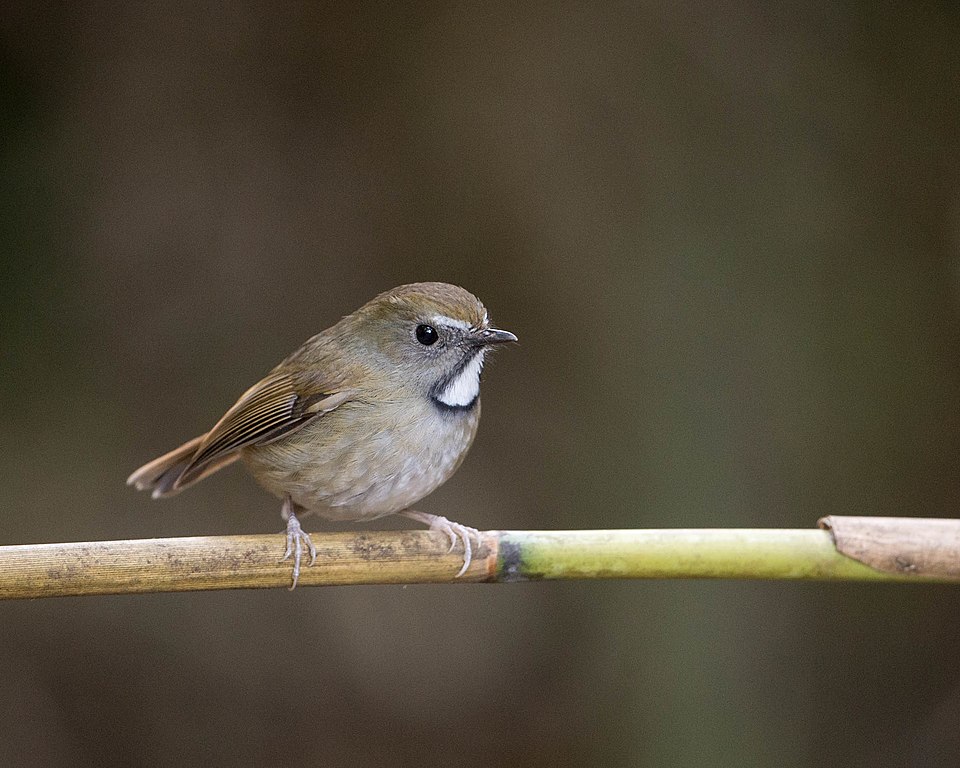


Birds Similar to the Gray-streaked Flycatcher
These species are often confused with the Gray-streaked Flycatcher due to similar appearance or overlapping range.
