
Herero Chat
Namibornis herero
Order: Passeriformes / Family: Muscicapidae

Wikimedia Commons
About the Herero Chat
The Herero Chat, scientifically known as Namibornis herero, is a captivating bird species native to the southwestern regions of Africa, particularly Namibia. This bird is a member of the Muscicapidae family and is often noted for its striking black and white plumage, which helps it stand out against the arid landscapes it inhabits. The Herero Chat is an indicator species for the health of dry savanna ecosystems, where its presence is a testament to the region's ecological balance. Its role extends beyond mere aesthetics; it contributes significantly to the control of insect populations, thus maintaining the food web's integrity.
Found predominantly in Namibia, the Herero Chat is particularly associated with the central and western parts of the country, where it frequents rocky outcrops and scrublands. These habitats provide not only food but also ideal nesting sites, which are crucial for the continuation of the species. The bird's distribution is closely tied to the availability of these specific environmental conditions, making it a valuable species for studies on habitat conservation and the effects of climate change.
The Herero Chat is a non-migratory bird, meaning it does not engage in large-scale seasonal movements. This trait allows it to be an excellent subject for studying the impacts of local environmental changes year-round. During the dry season, the bird relies heavily on its ability to locate water sources and manage its energy efficiently. Its sedentary nature makes it particularly vulnerable to habitat destruction and climate variations, underscoring its significance as a species of concern for conservationists. The Herero Chat's adaptability is evident in its behavior and diet, which varies with seasonal availability of resources, showcasing its ecological flexibility.
The Herero Chat belongs to the family Muscicapidae, within the order Passeriformes. These birds typically live approximately 4-6 years, with some individuals living longer in favorable conditions..
How to Identify a Herero Chat
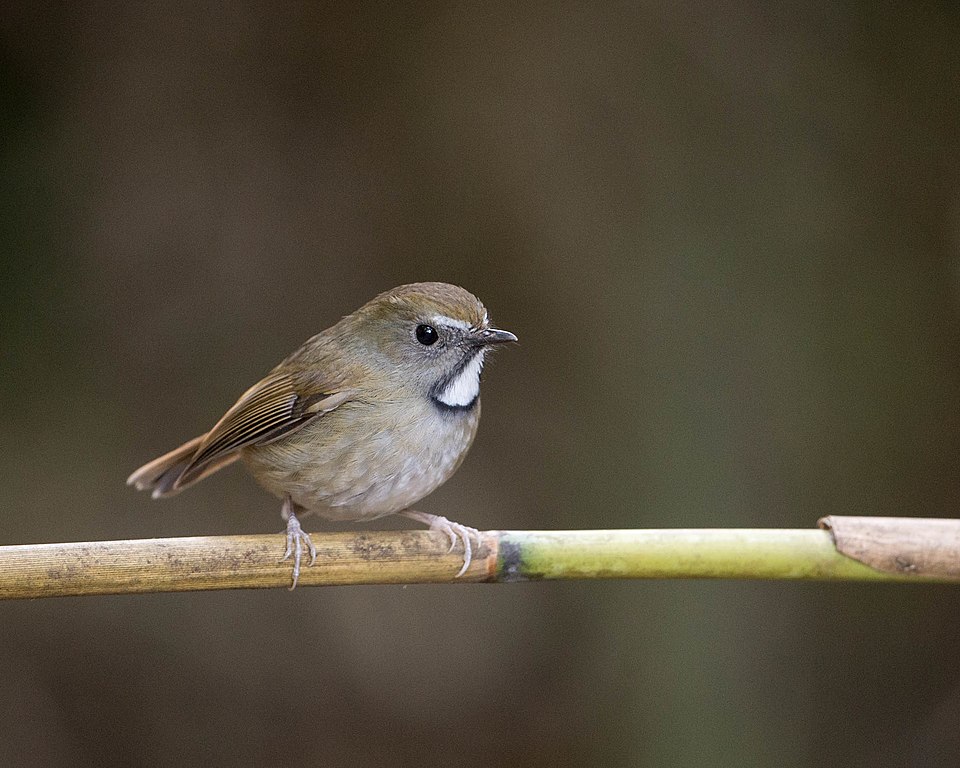
The Herero Chat is a small passerine bird, approximately 14-15 cm in length, with a distinctive black and white plumage that makes identification straightforward. The adult male exhibits a striking black head, back, and wings, contrasting sharply with its white underparts and rump. This bold coloration creates a memorable image, particularly when the bird is in flight, displaying its white tail edges. Females, while similar, may show slightly duller tones, especially during the breeding season.
Juveniles can be identified by their more muted color palette, which includes a browner tinge on the back and wings, offering some camouflage against predation during their more vulnerable early life stages. This species is often confused with similar chats, such as the Familiar Chat, but can be distinguished by its more pronounced black and white contrast and specific habitat preferences.
In terms of posture, the Herero Chat typically perches upright, often on a prominent rock or shrub, scanning for insects. Its flight silhouette is distinctive, with rapid wingbeats followed by short glides, showcasing its agility. The combination of its unique plumage and specific perching behavior aids birdwatchers in making a confident identification.
Having trouble telling birds apart? Upload a photo to our bird identification tool for an instant species match.
Herero Chat Habitat and Range
Preferred Habitat
The Herero Chat thrives in rocky savannas and arid scrublands, habitats characterized by sparse vegetation and scattered rocky outcrops. These regions provide ample perching opportunities and the necessary cover for nesting and foraging. The bird is commonly found at elevations ranging from 900 to 1,500 meters above sea level, where it exploits the unique microhabitats offered by these terrains.
While it is predominantly a resident of rural areas, the Herero Chat can occasionally be spotted near agricultural lands, where it benefits from the availability of insects. Unlike some other bird species, it shows little affinity for urban environments, preferring the seclusion and resources of the wild. Seasonal habitat shifts are minimal, as the bird remains largely within its established territories throughout the year.
Geographic Range
The Herero Chat's range is largely confined to Namibia, particularly in the central and western regions. It is a resident species, meaning it does not undertake significant migratory movements. Its breeding and non-breeding ranges overlap significantly, with populations remaining within a relatively small geographic area year-round.
While the bird's primary population density hotspots include the rocky savannas of the Khomas Highlands and the Namib Desert fringes, it is also occasionally recorded in southern Angola. However, sightings there remain sparse. The Herero Chat's non-migratory nature means that it is dependent on the stability of these ecosystems, making habitat preservation critical to its continued survival.
Want to know which birds visit your area? Browse our backyard birds by location guides for region-specific species lists.
What Does the Herero Chat Eat?
The Herero Chat primarily feeds on insects, which it actively forages on the ground and in low vegetation. Its diet includes a variety of beetles, ants, and other small invertebrates, which it captures using a combination of sallying and gleaning techniques. During the breeding season, the bird's diet becomes more protein-rich, as it requires additional energy to support reproductive activities.
In the dry season, when insect availability declines, the Herero Chat may supplement its diet with seeds and small fruits. This dietary flexibility is crucial to its survival in the harsh, arid environments it inhabits. The bird typically forages during the cooler parts of the day, such as early morning and late afternoon, when its prey is most active.
Herero Chat Behavior and Social Structure
The Herero Chat is known for its solitary and territorial behavior, which becomes particularly pronounced during the breeding season. Males establish and defend territories through vocalizations and physical displays, often perching conspicuously to ward off potential rivals. Despite its generally solitary nature, the Herero Chat may form loose associations with other chats during periods of high food abundance.
Courtship displays involve a series of calls and flights, during which the male showcases his plumage to attract a mate. Once paired, the birds work cooperatively in territory defense and nest building. Daily activity patterns show a preference for foraging during the cooler hours, while midday is often spent in shade to avoid the harsh heat. When faced with predators, the Herero Chat employs a combination of cryptic plumage and evasive flight to avoid detection, demonstrating its adaptability to the challenges of its environment.
Herero Chat Nesting and Reproduction
The Herero Chat constructs its nest within crevices of rocky outcrops or among dense shrubs, using a variety of materials such as grass, twigs, and feathers. This choice of nesting site offers protection from both predators and the elements. The typical clutch size ranges from two to four eggs, which are incubated primarily by the female for about 14 to 16 days.
Both parents participate in feeding the nestlings, which fledge approximately two weeks post-hatching. Parental care extends beyond fledging, as the young remain dependent for some time. The Herero Chat usually raises one brood per year, although a second brood is possible if conditions are favorable, especially following a season of abundant rainfall.
Herero Chat Sounds and Vocalizations
The Herero Chat's primary song is a series of melodious whistles interspersed with harsher notes, creating a distinctive auditory signature in its habitat. These songs serve both territorial and mating purposes. Call notes are sharp and metallic, often described as a 'thik-thik' sound, used for communication between pairs or to signal alarm.
During the dawn chorus, the Herero Chat's song is particularly prominent, capitalizing on the morning calm to project its calls over long distances. Its alarm calls are more rapid, alerting conspecifics to the presence of predators. The bird's vocal repertoire, while not as extensive as some songbirds, is nonetheless effective in its purpose.
Interesting Facts About the Herero Chat
- 1The Herero Chat is named after the Herero people of Namibia, reflecting its cultural and geographical significance.
- 2Despite its striking appearance, the Herero Chat is often overlooked due to its preference for remote and rugged habitats.
- 3The Herero Chat's diet shifts seasonally, showcasing its adaptability to the sparse resources of arid environments.
- 4Unlike many birds, the Herero Chat remains within a small range year-round, making it a reliable indicator of local ecosystem health.
- 5Herero Chats exhibit a unique flight pattern with rapid wingbeats followed by short glides, aiding in energy conservation.
- 6The Herero Chat uses a combination of sallying and gleaning techniques to capture prey, demonstrating its versatile foraging skills.
- 7Its distinctive black and white plumage not only aids in species recognition but also in thermoregulation under the harsh African sun.
Herero Chat Conservation Status
The Herero Chat currently holds a status of Least Concern on the IUCN Red List, with stable population trends. However, its restricted range and specific habitat requirements make it vulnerable to habitat destruction, particularly from agricultural expansion and climate change. Conservation efforts focus on habitat preservation and the promotion of sustainable land use practices in Namibia. Maintaining the integrity of savanna and scrubland ecosystems is critical for the continued survival of this species. Historical data indicates that while populations have remained stable, any significant environmental changes could pose a threat to the Herero Chat's future.
Other Muscicapidae Species


Birds Similar to the Herero Chat
These species are often confused with the Herero Chat due to similar appearance or overlapping range.
