
Japanese Robin
Erithacus akahige
Order: Passeriformes / Family: Muscicapidae

Wikimedia Commons
About the Japanese Robin
The Japanese Robin, scientifically known as Erithacus akahige, is a small passerine bird that captures the attention of ornithologists and bird enthusiasts alike with its striking appearance and melodious song. Found primarily in the forests of East Asia, this bird holds significant ecological value as a seed disperser and insect population controller. The Japanese Robin thrives in the mixed, deciduous, and evergreen forests of Japan, particularly in the Honshu, Shikoku, and Kyushu islands. Its presence in these regions is a testament to the health of the forest ecosystems. During the breeding season, which spans from March to July, the Japanese Robin exhibits territorial behavior, often staking out areas with dense underbrush that provide ample cover and food sources. The bird's ecological role extends beyond its immediate habitat as its migratory patterns influence the ecosystems it traverses. In the winter months, some populations migrate to warmer regions such as parts of southern China and Taiwan, following routes that take them across various landscapes. This movement not only aids in the dispersal of seeds but also helps control insect populations across a broad geographic area. The Japanese Robin's adaptability to different environments, from dense forests to more open woodland areas, reflects its resilience in the face of changing environmental conditions. Despite facing challenges such as habitat loss and climate change, the Japanese Robin remains a symbol of the vibrant biodiversity found within East Asian ecosystems. Conservation efforts continue to ensure that this species, with its distinctive song and plumage, remains a thriving component of the natural landscape.
The Japanese Robin belongs to the family Muscicapidae, within the order Passeriformes. These birds typically live average 4-6 years with a maximum recorded of 8 years..
How to Identify a Japanese Robin
The Japanese Robin is easily recognized by its vibrant orange-red face and breast, which contrast with its olive-brown back and wings. Its underparts are predominantly white, with a notable lack of streaking, distinguishing it from related species. Adult males and females share similar plumage, though males typically exhibit slightly brighter coloration. Juveniles appear more subdued, with a mottled brown and orange pattern that provides camouflage against the forest floor. In flight, the bird displays a rounded silhouette with rapid wingbeats, a characteristic of small passerines. When perching, the Japanese Robin often holds an upright posture, showcasing its distinctive coloration. This bird's size, about 14-15 cm in length, along with its bold eye-ring, aids in field identification. Observers may confuse it with the European Robin or the Ryukyu Robin, but the Japanese Robin's unique vocalizations and specific habitat preferences are distinguishing factors.
Having trouble telling birds apart? Upload a photo to our bird identification tool for an instant species match.
Japanese Robin Habitat and Range
Preferred Habitat
The Japanese Robin inhabits a range of forest environments, preferring dense, understory-rich areas that provide ample cover and food. In Japan, it is commonly found in deciduous and mixed forests in the islands of Honshu, Shikoku, and Kyushu, often at elevations ranging from lowland forests up to montane regions around 1500 meters. During migration and winter, it may occupy more varied habitats, including secondary growth and shrublands in southern China and Taiwan. While it occasionally ventures into rural gardens and parks, especially during migration, it remains primarily a forest dweller. Seasonal shifts in habitat usage reflect its adaptability to different environments, although it is less frequently observed in urban settings compared to other passerines.
Geographic Range
The Japanese Robin breeds primarily in Japan, with its range extending across Honshu, Shikoku, and Kyushu. In the non-breeding season, it migrates to southern China and Taiwan, with some populations dispersing as far as the Ryukyu Islands. The bird’s migration corridors are influenced by the availability of food and suitable resting habitats, often following routes that align with river valleys and coastal areas. Population density is highest in the temperate forests of Japan, where the species benefits from the dense undergrowth. Despite being relatively widespread within its range, it is not considered abundant, making detailed observations valuable for understanding its distribution patterns.
Want to know which birds visit your area? Browse our backyard birds by location guides for region-specific species lists.
What Does the Japanese Robin Eat?
The Japanese Robin primarily feeds on insects and other invertebrates, which it forages for in the leaf litter and low vegetation. Its diet includes beetles, ants, spiders, and caterpillars, which provide essential protein for breeding adults and growing chicks. During the autumn and winter months, the robin's diet expands to include a variety of fruits and berries, such as those from the dogwood and holly plants, aiding in energy reserves for migration. Foraging involves a combination of gleaning from foliage and hopping along the forest floor, carefully inspecting crevices and under leaves. The bird's feeding schedule peaks during early morning and late afternoon, coinciding with periods of increased insect activity.
Japanese Robin Behavior and Social Structure
The Japanese Robin exhibits a solitary and territorial nature, particularly during the breeding season. Males establish territories through song and visual displays, often engaging in brief but intense confrontations with rivals. Courtship involves a series of displays, including wing quivering and soft vocalizations directed at potential mates. Outside the breeding season, these robins may form loose flocks, especially during migration when they travel in small groups. Their response to predators includes a variety of alarm calls and evasive flight maneuvers, often seeking cover in dense vegetation. Daily activities revolve around foraging and territory maintenance, with peak activity occurring during dawn and dusk.
Japanese Robin Nesting and Reproduction
The Japanese Robin builds its nest low to the ground, typically in dense shrubs or among the roots of trees. The nest, a cup-shaped structure, is constructed using moss, leaves, and grass, lined with finer materials such as feathers and hair. The female lays a clutch of 3-5 eggs, which she incubates for about 14-16 days. Both parents participate in feeding the chicks, which fledge approximately 12-14 days after hatching. The species often raises two broods per year, with parental care extending until the young are independent. Nest site selection is crucial, with preference given to areas that offer concealment from predators and proximity to food sources.
Japanese Robin Sounds and Vocalizations
The Japanese Robin's song is a rich, melodious series of clear whistles and trills, often delivered from a concealed perch within dense foliage. The song, characterized by its rhythmic quality and varied pitch, serves as both a territorial marker and a mate attractant. Call notes include a sharp, metallic 'tik' sound used in alarm situations. During the dawn chorus, the robin's voice stands out due to its clarity and volume, often initiating the morning's vocal activity among forest birds. Its vocalizations are sometimes compared to those of the Nightingale, though with distinct regional variations.
Interesting Facts About the Japanese Robin
- 1The Japanese Robin's name 'akahige' translates to 'red beard' in Japanese, referencing its vibrant facial plumage.
- 2Despite its name, the Japanese Robin is more closely related to flycatchers than to the European Robin.
- 3The Japanese Robin's eggs are a pale blue or green, often speckled with fine brown spots.
- 4Young Japanese Robins undergo a molt in their first autumn, transitioning from juvenile to adult plumage.
- 5The species' melodious song has made it a popular subject in traditional Japanese art and poetry.
- 6The Japanese Robin plays an important role in controlling pest populations by consuming large quantities of insects.
- 7Its migratory behavior varies, with some populations being resident while others travel long distances seasonally.
Japanese Robin Conservation Status
The Japanese Robin is currently listed as a species of Least Concern by the IUCN, with stable population trends overall. However, specific populations face pressures from habitat loss due to deforestation and urban development in parts of its range. Conservation efforts focus on habitat preservation and restoration, particularly in breeding areas across Japan. Historical fluctuations in population size have been linked to changes in land use and climate conditions. Ongoing monitoring is essential to ensure that this species remains a resilient member of its ecosystem.
Other Muscicapidae Species
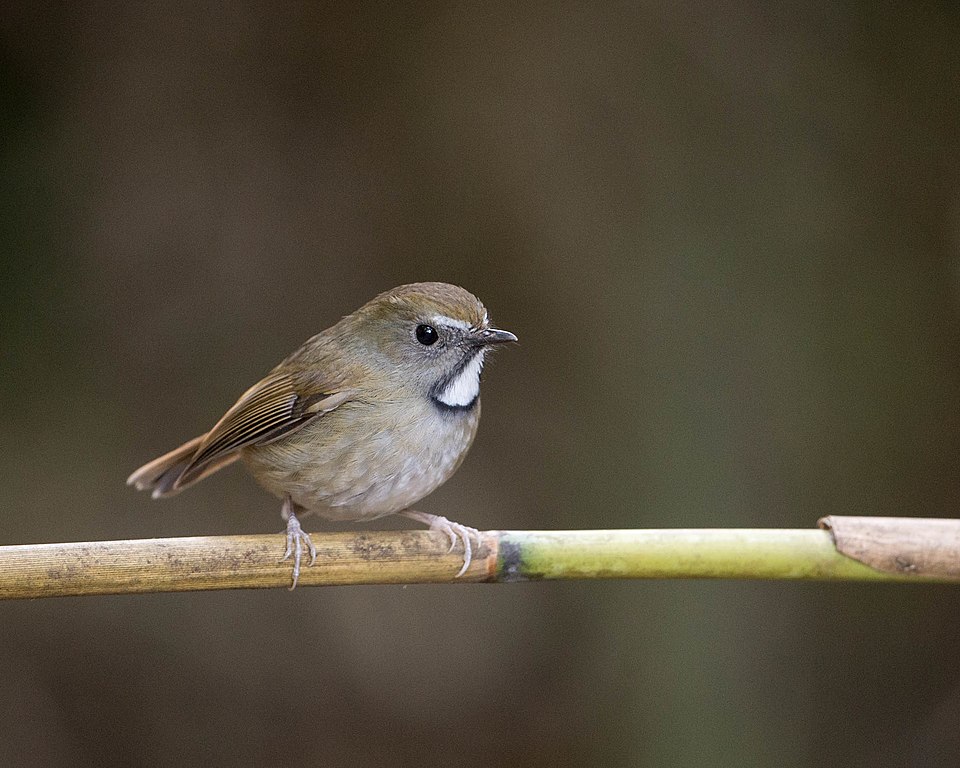


Birds Similar to the Japanese Robin
These species are often confused with the Japanese Robin due to similar appearance or overlapping range.
