
Andaman Shama
Kittacincla nigra
Order: Passeriformes / Family: Sylviidae

Wikimedia Commons
About the Andaman Shama
The Andaman Shama (Kittacincla nigra) is a songbird that captivates ornithologists and birdwatchers alike with its distinctive, melodious song and striking plumage. Native to the Andaman Islands, this species holds a unique position as an endemic bird, meaning it is found nowhere else on the planet. Its presence highlights the biodiversity of this region, an archipelago in the northeastern Indian Ocean, which is known for its rich array of flora and fauna.
In the dense forests of the Andaman Islands, the Andaman Shama plays a significant ecological role. As an insectivore, it helps control insect populations, which in turn supports the health of the forest ecosystem. The species typically resides in moist, evergreen forests, preferring areas with dense undergrowth where it can forage for insects. The Andaman Shama is most active during the day, particularly during the early morning and late afternoon when it engages in foraging and singing activities.
The bird's seasonal behavior includes a conspicuous breeding display, typically occurring during the pre-monsoon and monsoon months. During this time, males are known to sing persistently, often from a prominent perch, to establish territory and attract mates. This song is not only a mating call but also serves to assert dominance and ward off rivals. The Andaman Shama's role in the ecosystem and its melodious contributions to the soundscape of the Andaman forests underscore its ecological and cultural significance.
The Andaman Shama belongs to the family Sylviidae, within the order Passeriformes. These birds typically live average 5-7 years, with a maximum recorded of 9 years..
How to Identify a Andaman Shama
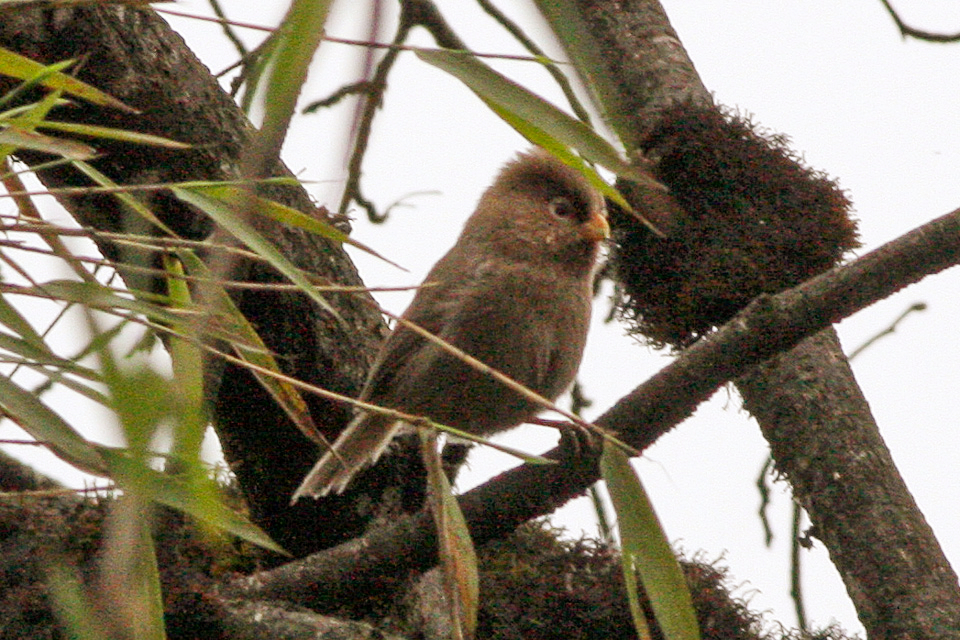
The Andaman Shama is a medium-sized bird, measuring approximately 24 to 28 centimeters in length. Adult males boast a glossy black plumage that shines with a blue sheen in certain lighting conditions, while their long, graduated tails add to their distinctive silhouette. The underparts are often a contrasting white, making the bird strikingly bicolored. In comparison, females exhibit more subdued coloration, with a brownish hue replacing the males' glossy black, yet retaining the same elegant tail structure.
Juveniles usually resemble females but tend to have a mottled appearance with patches of lighter brown and black, which gradually develop into the adult plumage as they mature. This process of molting and color change is crucial for recognizing age and sex during field observations. The Andaman Shama can be confused with the White-rumped Shama (Kittacincla malabarica), especially in regions where their ranges overlap. However, the lack of a white rump and the distinct island-specific habitat aid in identifying the Andaman Shama.
In flight, the Andaman Shama displays a fluttering pattern interspersed with gliding, thanks to its long tail which provides excellent maneuverability through dense foliage. When perched, it often flicks its tail, a behavior that is both an identifier and an expressive gesture used in social interactions and territorial displays.
Having trouble telling birds apart? Upload a photo to our bird identification tool for an instant species match.
Andaman Shama Habitat and Range
Preferred Habitat
The Andaman Shama thrives in dense, moist evergreen forests that characterize the Andaman Islands. These forests provide ample cover and a rich supply of insects, which make up the bird's primary diet. The species can typically be found at elevations ranging from sea level to about 700 meters, where the dense canopy and underbrush offer ideal conditions for foraging and nesting.
Seasonally, the Andaman Shama may shift slightly within its habitat to take advantage of varying insect populations and breeding opportunities, but it remains largely within forested areas. Unlike other island birds that might venture into urban environments, the Andaman Shama shows a strong preference for natural habitats and is rarely observed in human-altered landscapes. This preference underscores the importance of forest conservation in preserving the natural environment of the Andaman Shama.
Geographic Range
The Andaman Shama is a non-migratory species endemic to the Andaman Islands, which lie to the southeast of mainland India. Its range is restricted to this archipelago, where it is most commonly found in the primary and secondary forests of the central and southern islands.
Within this limited geographical range, the Andaman Shama exhibits a relatively stable population, with certain areas showing higher densities where forest cover is most extensive and undisturbed. Unlike many migratory birds, the Andaman Shama does not undertake long-distance seasonal journeys, remaining within the islands' confines year-round. This limited range emphasizes the importance of local conservation efforts to ensure the species' continued survival in its natural habitat.
Want to know which birds visit your area? Browse our backyard birds by location guides for region-specific species lists.
What Does the Andaman Shama Eat?
The diet of the Andaman Shama primarily consists of insects and other small invertebrates, making it an integral part of the forest's pest control system. It forages by hopping through the dense underbrush, using its sharp eyesight to detect movement and capture its prey.
Seasonal diet changes occur in response to the availability of specific food sources. During the wet monsoon months, when insect populations surge, the Andaman Shama takes advantage of this abundance to feed voraciously. The bird's foraging technique involves quick, agile movements, often catching insects mid-flight or picking them off leaves and branches. The typical prey size ranges from small beetles and ants to larger prey such as caterpillars and moths. While primarily insectivorous, the Andaman Shama may occasionally consume small fruits or berries, particularly during times when insect availability is low.
Andaman Shama Behavior and Social Structure
The Andaman Shama exhibits a solitary lifestyle, coming together primarily during the breeding season. Males are territorial, often engaging in vocal displays to defend their territory, which can cover a substantial area within the dense forests. Their song plays a crucial role in territory establishment and mate attraction, with males frequently perching in prominent locations to broadcast their presence.
Courtship involves elaborate displays, including fluttering flights and tail fanning, designed to appeal to potential mates. Outside the breeding season, the Andaman Shama remains less vocal but maintains its territorial boundaries. The bird's response to predators includes a series of alarm calls and evasive maneuvers, utilizing the dense foliage for cover and quick, agile flights to escape threats.
Daily activities are primarily diurnal, with peak activity occurring in the early morning and late afternoon. During these times, the Andaman Shama engages in foraging, singing, and territory patrols, before retreating to the safety of the underbrush as night falls.
Andaman Shama Nesting and Reproduction
The Andaman Shama constructs its nest low in the underbrush, often choosing the fork of a branch or a dense shrub for its location. The nest itself is a neat cup-shaped structure, crafted from twigs, leaves, and fibers, with a soft lining to cushion the eggs.
Clutch size typically ranges from two to four eggs, with both parents sharing incubation duties over a period of about 12 to 14 days. Following hatching, the chicks remain in the nest for an additional two weeks, during which time both parents are actively involved in feeding and caring for the young. Parental roles are well-defined, with the female primarily responsible for brooding, while the male gathers food and keeps watch for potential threats.
The Andaman Shama usually raises one to two broods per year, depending on food availability and environmental conditions. The nesting season aligns with the onset of the monsoon, taking advantage of increased food resources and favorable weather conditions.
Andaman Shama Sounds and Vocalizations
The primary song of the Andaman Shama is a rich, melodious series of whistles and trills, characterized by varying pitch and rhythm. This song serves multiple purposes, from attracting mates to establishing territorial boundaries. It is frequently described as one of the most beautiful sounds in the forests of the Andaman Islands.
The bird also employs a variety of call notes, including sharp, repetitive chips and softer contact calls used during social interactions. Alarm calls are harsher and more rapid, serving as a warning to other birds in the vicinity when a predator is detected. During the dawn chorus, the Andaman Shama's song can be heard resonating through the forest, adding to the diverse soundscape of the habitat.
Interesting Facts About the Andaman Shama
- 1The Andaman Shama's song is so melodious that it has inspired numerous local legends and stories among the indigenous communities of the Andaman Islands.
- 2Unlike many other songbirds, the Andaman Shama does not migrate, making it a year-round resident of the Andaman Islands.
- 3The Andaman Shama can be particularly elusive due to its preference for dense underbrush, making sightings a rewarding experience for birdwatchers.
- 4The glossy black plumage of the male Andaman Shama is not only beautiful but also serves as camouflage in the dappled sunlight of the forest canopy.
- 5Despite its limited range, the Andaman Shama plays a crucial role in controlling insect populations, highlighting its ecological importance in forest health.
- 6During the breeding season, the male Andaman Shama's song can be heard over several hundred meters, a testament to its vocal prowess.
- 7The Andaman Shama's tail flicking behavior is not just for display; it helps in dislodging insects from leaves, making them easier to catch.
Andaman Shama Conservation Status
The Andaman Shama is currently listed as Near Threatened on the IUCN Red List, with population trends showing potential declines due to habitat loss and fragmentation. The primary threats to the species include deforestation and human encroachment, which reduce the availability of suitable nesting and foraging habitats. Conservation efforts focus on protecting the remaining forested areas of the Andaman Islands and promoting sustainable land-use practices. Local and international conservation organizations work to raise awareness about the importance of preserving the Andaman Shama's habitat, alongside efforts to monitor population trends and implement protective measures. Historically, the species has been more widespread, but increased human activity and habitat destruction have led to its current status.
Other Sylviidae Species



Birds Similar to the Andaman Shama
These species are often confused with the Andaman Shama due to similar appearance or overlapping range.

