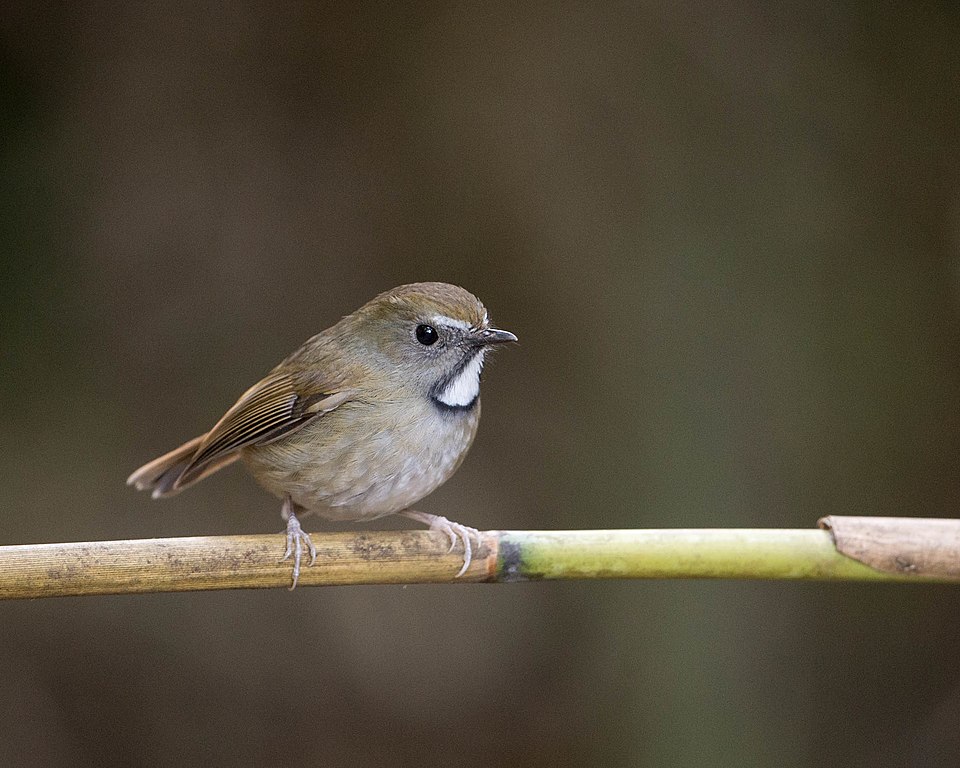
Little Rock-Thrush
Monticola rufocinereus
Order: Passeriformes / Family: Muscicapidae

Wikimedia Commons
About the Little Rock-Thrush
The Little Rock-Thrush, Monticola rufocinereus, is a captivating songbird belonging to the family Muscicapidae. This species is particularly celebrated for its vibrant plumage and its affinity for rugged terrains. The Little Rock-Thrush is primarily found in eastern Africa, with its range extending through countries such as Kenya, Tanzania, Uganda, and Ethiopia. It thrives in rocky hillsides, outcrops, and escarpments, where it can often be seen perched prominently on boulders or hopping deftly among rocks. This bird plays a significant ecological role in its habitat, acting as both a predator to smaller invertebrates and a prey species for larger birds of prey. The Little Rock-Thrush is known for its seasonal behaviors, often breeding during the rainy season when food resources are more abundant. During this period, its diet shifts to include a higher proportion of insects and other invertebrates, which it hunts with agility and precision. The Little Rock-Thrush's presence in these rocky habitats highlights its adaptability and the intricate balance of the ecosystems it inhabits. Its role as an insectivore helps to control pest populations, thus contributing to the ecological health of its environment. Moreover, the Little Rock-Thrush serves as an indicator species for the health of rocky ecosystems, as its presence or absence can signal changes in habitat quality or food availability. This bird's striking appearance and melodious song make it a favorite among birdwatchers and naturalists, contributing to ecotourism in regions where it is found.
The Little Rock-Thrush belongs to the family Muscicapidae, within the order Passeriformes. These birds typically live typically 4-6 years, with some individuals reaching up to 9 years..
How to Identify a Little Rock-Thrush
The Little Rock-Thrush is a medium-sized bird with distinctive plumage that makes it relatively easy to identify in the field. Adult males are particularly striking, with a bright blue head, back, and wings contrasted by a rich rufous belly and undertail. Females and juveniles, while less vivid, still possess a subtle beauty with a more muted grayish-blue plumage and a paler rufous underside. The species exhibits sexual dimorphism, with males being more brightly colored than females. In flight, the Little Rock-Thrush displays a unique silhouette characterized by broad, rounded wings and a slightly forked tail. When perched, it often adopts an upright posture, scanning its surroundings for prey. While it can be confused with similar species like the Blue Rock-Thrush, its distinctive rufous underside and specific habitat preferences help differentiate it.
Having trouble telling birds apart? Upload a photo to our bird identification tool for an instant species match.
Little Rock-Thrush Habitat and Range
Preferred Habitat
The Little Rock-Thrush is intimately associated with rocky habitats, favoring areas such as cliffs, escarpments, and boulder-strewn hillsides. It is typically found at elevations ranging from 1,000 to 3,000 meters, where it takes advantage of the crevices and ledges for foraging and nesting. While primarily seen in rural and remote rocky landscapes, it occasionally ventures into adjacent open woodlands or scrublands. Unlike some species that adapt well to urban environments, the Little Rock-Thrush remains closely tied to its natural rocky habitats, showcasing its specialized ecological niche.
Geographic Range
The Little Rock-Thrush exhibits a relatively localized range, confined largely to the eastern regions of the African continent. It breeds across highland areas in countries including Kenya, Tanzania, Uganda, and Ethiopia. This non-migratory species tends to remain within its preferred rocky habitats year-round, although slight altitudinal movements may occur in response to seasonal changes in food availability. The bird's range is defined by the presence of suitable rocky terrain, which is essential for its nesting and foraging activities.
Want to know which birds visit your area? Browse our backyard birds by location guides for region-specific species lists.
What Does the Little Rock-Thrush Eat?
The diet of the Little Rock-Thrush primarily consists of a variety of invertebrates, with insects forming the bulk of its nutritional intake. It actively forages for beetles, ants, caterpillars, and other small arthropods, often employing a 'sit-and-wait' strategy from a high perch before darting down to catch prey. During the breeding season, its dietary habits shift slightly to accommodate the increased need for protein-rich food to feed its young. The bird's foraging technique is both agile and precise, reflecting its adaptation to a rocky environment where it must navigate uneven surfaces and crevices to locate prey.
Little Rock-Thrush Behavior and Social Structure
The Little Rock-Thrush exhibits a solitary and territorial disposition, particularly during the breeding season. Males establish and defend territories through song and visual displays, often singing from prominent perches to advertise their presence. Courtship involves complex displays that include wing and tail flicking combined with vocalizations to attract mates. While generally solitary, outside of the breeding season, individuals may be seen foraging in loose associations, especially in areas with abundant food resources. The Little Rock-Thrush remains vigilant against predators, using its keen eyesight to detect threats from distance and taking swift flight into cover when alarmed.
Little Rock-Thrush Nesting and Reproduction
Little Rock-Thrushes construct their nests in rocky crevices or ledges, utilizing natural cavities to shield their young from predators and the elements. The nest is typically a cup-shaped structure made from twigs, grasses, and other plant materials, often lined with softer elements like feathers or moss. The female lays a clutch of 3-4 eggs, which she incubates for about two weeks. Once hatched, the chicks are altricial, requiring continuous care and feeding by both parents. Fledging occurs approximately 14-16 days after hatching, though the young remain reliant on their parents for several weeks post-fledging.
Little Rock-Thrush Sounds and Vocalizations
The Little Rock-Thrush is known for its melodic and varied song, a series of clear, high-pitched whistles that can be heard echoing across its rocky habitats. Its primary song consists of a series of sweet, rising notes followed by more complex trills, reminiscent of a flute. The bird also emits a range of call notes, including sharp, alarm calls when threatened. This species forms part of the dawn chorus, with males often singing vigorously in the early morning hours to establish territory and attract mates.
Interesting Facts About the Little Rock-Thrush
- 1The Little Rock-Thrush can be observed using the same perches repeatedly, highlighting its strong territorial behavior.
- 2Unlike many songbirds, the Little Rock-Thrush is a year-round resident of its rocky habitats, showing limited migratory behavior.
- 3Its song is so distinct and melodious that it is often used in local folklore and music across eastern Africa.
- 4The Little Rock-Thrush's preference for rocky terrain makes it less vulnerable to deforestation compared to other forest-dependent species.
- 5During courtship, males perform a unique display by puffing up their feathers and spreading their tails to attract females.
Little Rock-Thrush Conservation Status
According to the IUCN, the Little Rock-Thrush is currently listed as Least Concern due to its relatively stable population across its range. However, habitat degradation due to mining, quarrying, and human encroachment pose potential threats to its rocky habitat. Conservation efforts focus on preserving these natural environments and mitigating human impact. Historical data suggest that, while the species has maintained stable numbers, localized declines have occurred in regions experiencing significant habitat disruption.