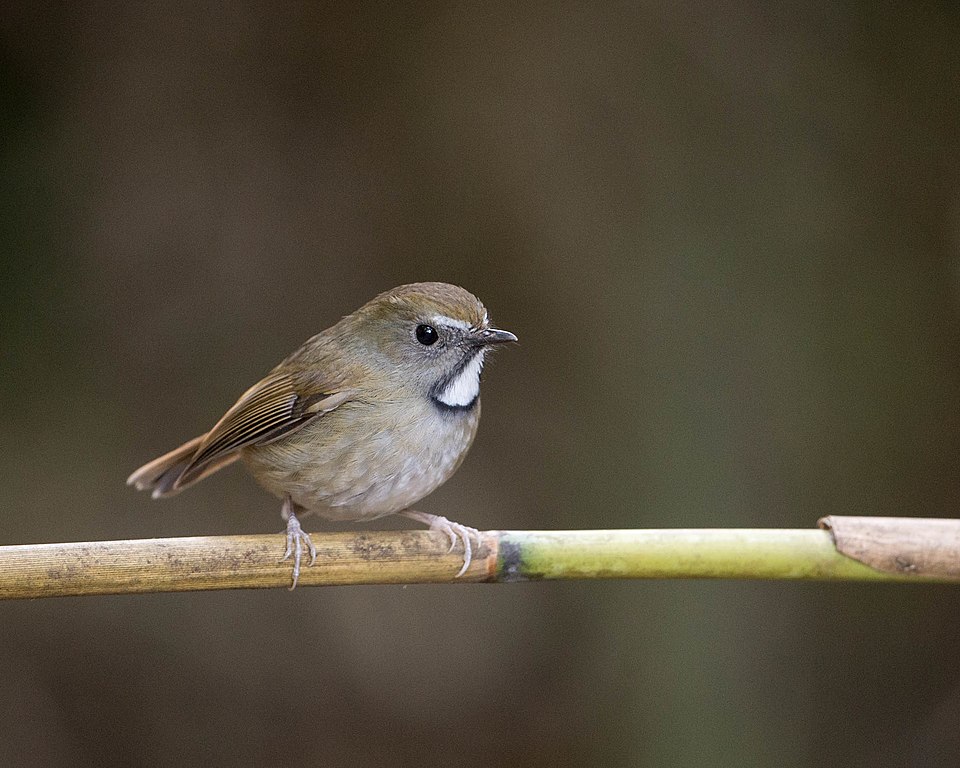
Muscicapa flammea
Muscicapa flammea
Order: Passeriformes / Family: Muscicapidae

Wikimedia Commons
About the Muscicapa flammea
The Muscicapa flammea, a member of the Muscicapidae family, is a striking songbird known for its vibrant red plumage. Commonly referred to as the Flame Flycatcher, this species inhabits a wide range of environments across Asia. Its presence is noted from the dense tropical forests of Southeast Asia to the temperate woodlands of the Himalayan foothills. As a species with a broad geographic range, the Muscicapa flammea plays a significant role in its ecosystem as both a predator of insects and a prey item for larger birds. This bird's ecological role extends seasonally as it adapts its feeding and breeding habits to the changing conditions of its habitat. During the breeding season, typically from March to July, the Flame Flycatcher is observed in higher elevations, where it takes advantage of the cooler climate and abundant insect life. As an insectivore, it contributes to the control of insect populations, particularly during the monsoon months when insect activity peaks. The Flame Flycatcher is also noted for its territorial behavior during the breeding season, as males fiercely defend their nesting areas from intruders. In contrast, during the non-breeding season, the Muscicapa flammea may form loose flocks, showing a more cooperative behavior as it migrates or moves to lower elevations and more sheltered environments. This seasonal shift in behavior underscores the adaptability of the species, which is crucial for its survival across different climatic conditions. Despite its adaptability, the Muscicapa flammea faces threats from habitat destruction due to logging and agricultural expansion. Conservation efforts are underway to preserve the natural habitats of this and other forest-dwelling bird species, ensuring their continued presence in the region. Overall, the Muscicapa flammea is a fascinating bird that not only adds color to its environment but also plays a pivotal role in the health and balance of the ecosystems it inhabits.
The Muscicapa flammea belongs to the family Muscicapidae, within the order Passeriformes. These birds typically live 4-7 years, with a maximum recorded of 10 years..
How to Identify a Muscicapa flammea
The Muscicapa flammea is easily identified by its vivid red plumage, which is particularly prominent in adult males. These striking birds have a fiery red throat and chest that gradually fades into a paler belly. Females, while also colorful, display a more subdued coloration, with lighter reds and sometimes orange hues, making them less conspicuous than their male counterparts. Juveniles resemble females in color but tend to have more mottled and less bright plumage. In flight, the Flame Flycatcher exhibits a slim silhouette with agile and rapid wingbeats, characteristic of many flycatchers. Its perching posture is upright, often on exposed branches, which contrasts with the more hunched appearance of some other small songbirds. Distinguishing the Muscicapa flammea from similar species can be challenging, especially in areas where multiple red or orange-hued birds coexist. However, the combination of its size, vibrant coloration, and specific vocalizations often aid in its identification. The Flame Flycatcher is generally smaller than other red birds like the Scarlet Minivet, and its more rapid, fluttery flight pattern further distinguishes it.
Having trouble telling birds apart? Upload a photo to our bird identification tool for an instant species match.
Muscicapa flammea Habitat and Range
Preferred Habitat
Muscicapa flammea thrives in a variety of habitats, predominantly in forested areas with dense foliage. It prefers tropical and subtropical forests, where it can often be found in the mid-story or canopy. This bird is also known to inhabit montane forests in the Himalayan region, favoring elevations from 500 to 2500 meters. Seasonal habitat shifts occur as the Flame Flycatcher moves to lower elevations during colder months or when food becomes scarce. While primarily a forest dweller, the bird adapts to secondary growth areas and forest edges, showing flexibility in habitat preference. Urban presence is minimal, as the bird typically avoids highly developed areas, although it may occasionally be spotted in large gardens or parks with ample tree cover.
Geographic Range
The range of the Muscicapa flammea includes a broad swath of Asia, from the Indian subcontinent extending through Southeast Asia. It breeds primarily in the Himalayan regions, spanning from northern India, Nepal, and Bhutan to parts of southern China. During the non-breeding season, it migrates to lower altitudes and more southern locations, including parts of Thailand, Myanmar, and Vietnam. These migratory movements are often dictated by climatic conditions and food availability. Within its range, population density varies, with the bird being more common in undisturbed forest regions and less so in heavily altered landscapes. Birdwatchers in regions such as Assam and West Bengal have noted hotspots for observing the Flame Flycatcher during its breeding period.
Want to know which birds visit your area? Browse our backyard birds by location guides for region-specific species lists.
What Does the Muscicapa flammea Eat?
The Muscicapa flammea primarily feeds on insects, a diet that supports its active lifestyle and high energy demands. It targets flying insects such as flies and beetles, using its keen eyesight and agile flight to capture prey mid-air. During the breeding season, when insect populations peak, its diet may expand to include caterpillars and other larval forms found on vegetation. Seasonal diet variations occur as the bird may consume more ants and termites during drier months when other insect populations decline. The Flame Flycatcher employs a sit-and-wait foraging technique, often perching silently until an insect comes within striking distance. Its feeding schedule aligns with periods of high insect activity, primarily at dawn and dusk, although opportunistic feeding can occur throughout the day.
Muscicapa flammea Behavior and Social Structure
The Muscicapa flammea exhibits a range of intriguing behaviors that reflect its adaptability and social tendencies. During the breeding season, the Flame Flycatcher is highly territorial, with males establishing and defending territories through song and physical displays. These displays can include fluttering flights and posturing that showcase their vibrant plumage. Courtship involves a series of visual and vocal displays, as males attempt to attract mates with both their song and vivid coloring. Outside the breeding season, the Flame Flycatcher may join mixed-species flocks, particularly in areas where food sources overlap. This flocking behavior aids in predator detection and increases foraging efficiency. The bird's response to predators is typically evasive, relying on rapid flight and dense foliage to escape threats. Daily activity patterns are diurnal, with peak activity occurring during early morning and late afternoon when insect prey is most abundant.
Muscicapa flammea Nesting and Reproduction
Nesting for the Muscicapa flammea typically occurs in the higher branches of trees, where it constructs a small, cup-shaped nest. The nest is built from a combination of twigs, grasses, and spider silk, providing both structure and camouflage. Female Flame Flycatchers primarily undertake nest building, although males may assist by gathering materials. The preferred nesting sites are often well-hidden, providing protection from predators and the elements. Clutch size generally ranges from 2 to 4 eggs, with the female incubating them for approximately 12 to 14 days. Both parents participate in feeding the chicks, which fledge about 15 to 18 days after hatching. The Flame Flycatcher often produces two broods per year, taking advantage of favorable weather and abundant food resources during the breeding season.
Muscicapa flammea Sounds and Vocalizations
The Muscicapa flammea is known for its melodious song, a series of high-pitched, rhythmic notes that are both clear and musical. These songs serve to establish territory and attract mates during the breeding season. Call notes are short and sharp, often used for communication between mates or to signal alarm. The alarm calls are more rapid and higher-pitched, effectively alerting others to potential danger. Dawn chorus participation is notable, with the Flame Flycatcher contributing to the symphony of sounds that mark the early morning hours in its forest habitat. Its song is sometimes compared to the tinkling sound of a small bell, providing an identifying auditory cue for birdwatchers.
Interesting Facts About the Muscicapa flammea
- 1The Muscicapa flammea can spot and catch insects mid-flight, showcasing incredible aerial agility.
- 2Despite its vibrant color, the Flame Flycatcher often blends seamlessly into its forest surroundings.
- 3The bird's call notes resemble a small bell, making it a favorite among birdwatchers for auditory identification.
- 4During courtship, male Flame Flycatchers display their vivid plumage through fluttering aerial displays.
- 5The species can produce two broods per year, maximizing its reproductive success in favorable conditions.
- 6Muscicapa flammea participates in mixed-species flocks, a behavior that aids in foraging and predator detection.
- 7The Flame Flycatcher's diet shifts seasonally, adapting to the availability of different insect prey.
Muscicapa flammea Conservation Status
Currently, the Muscicapa flammea is not considered endangered, with its IUCN status listed as Least Concern. However, its population trends are subject to the pressures of habitat loss, primarily due to deforestation and land conversion for agriculture. Conservation efforts focus on preserving forested habitats and implementing sustainable land-use practices. Monitoring programs track population changes, providing data to inform conservation strategies. Historically, the Flame Flycatcher's population has experienced fluctuations in response to environmental changes, underscoring the importance of continued habitat protection to ensure its long-term stability.