
Dusky Flycatcher
Muscicapa fuscula
Order: Passeriformes / Family: Muscicapidae

Wikimedia Commons
About the Dusky Flycatcher
The Dusky Flycatcher, scientifically referred to as Muscicapa fuscula, holds a significant place among the diverse avian populations of its native regions. This small passerine bird belongs to the Muscicapidae family, a group renowned for their adept insect-catching abilities. The Dusky Flycatcher thrives predominantly in deciduous and mixed forests, especially favoring regions with abundant underbrush and water sources. It prevails across various parts of Asia, with notable populations in countries like China, India, and Nepal. The bird's ecological role is crucial as it controls insect populations, thus contributing to the health of its ecosystem. During the breeding season, the Dusky Flycatcher becomes especially active, displaying increased territorial behavior. As summer wanes, these birds undertake a seasonal migration, heading towards warmer climates that offer abundant food during the winter months. This migratory pattern not only facilitates their survival but also aids in seed dispersion and pollination of certain plants, albeit indirectly. Dusky Flycatchers are integral components of their habitats, participating actively in the seasonal cycles of their ecosystems. They maintain a delicate balance within their environments by managing insect populations and serving as prey for larger predators. Their presence in both rural and semi-urban settings underscores their adaptability and resilience. Birdwatchers and ornithologists alike find the Dusky Flycatcher's behavior fascinating as it demonstrates complex social structures, particularly during the breeding season. These birds are indicative of the health of their ecosystems, often acting as bioindicators due to their sensitivity to environmental changes. The Dusky Flycatcher's ability to thrive in varied habitats reflects its ecological significance and adaptability. Its subtle but consistent presence across its range highlights its role in maintaining ecological balance and biodiversity. With the ever-present threat of habitat loss due to human activities, understanding and conserving the habitats of the Dusky Flycatcher become paramount to preserving the intricate web of life in which it plays a part.
The Dusky Flycatcher belongs to the family Muscicapidae, within the order Passeriformes. These birds typically live average 3-5 years with a max recorded of 7 years..
How to Identify a Dusky Flycatcher
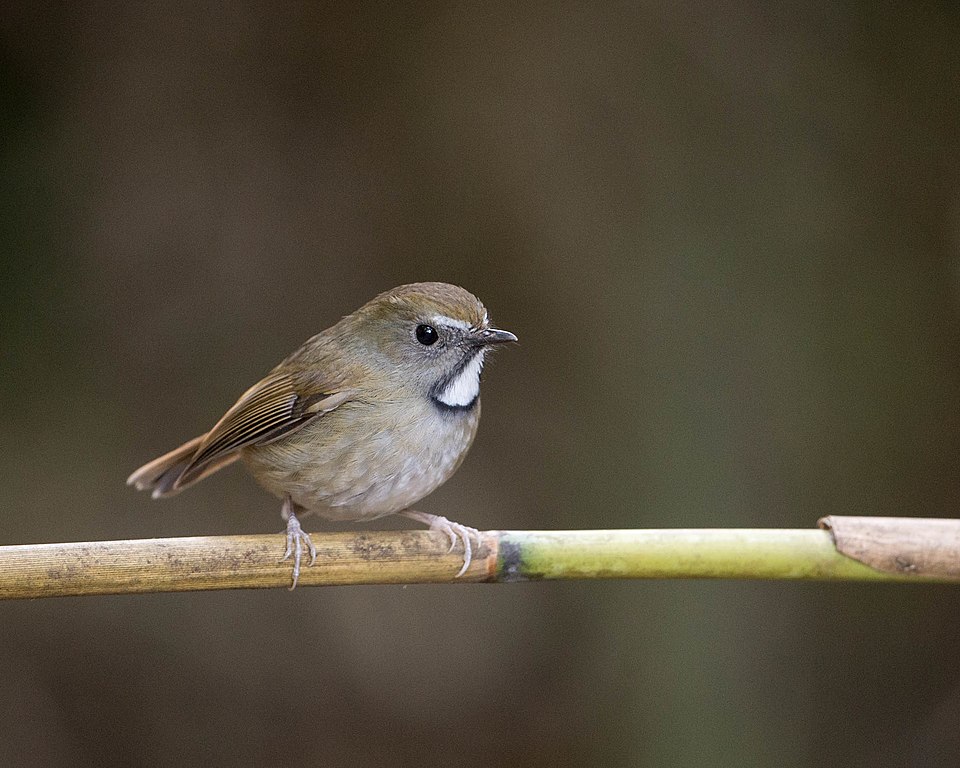
The Dusky Flycatcher exhibits a primarily gray-brown plumage that aids in its camouflage among the foliage. Adults display a uniform color across their back and wings, with a slightly lighter belly and slight streaking on the throat. The bird's small, slightly curved bill is well-suited for catching insects on the wing. Its eyes are dark, surrounded by a faint, pale eye-ring that can be a useful field mark for identification. Juvenile Dusky Flycatchers often have more pronounced streaking and a more rufous tinge to their plumage compared to adults. Males and females appear similar, making sexing in the field challenging without behavioral cues. When perched, the Dusky Flycatcher exhibits a characteristic upright posture, often flicking its wings and tail, which is a behavior shared with many other flycatchers. In flight, its silhouette is compact with pointed wings and a relatively short tail, which distinguishes it from similar species such as the Spotted Flycatcher, which has a more elongated body and tail. Confusion with similar species like the Asian Brown Flycatcher can occur; however, the Dusky Flycatcher typically shows a more subdued coloration and a slightly smaller size. Observers often rely on subtle differences in behavior and habitat preference to differentiate between these species when visual cues alone are insufficient.
Having trouble telling birds apart? Upload a photo to our bird identification tool for an instant species match.
Dusky Flycatcher Habitat and Range
Preferred Habitat
The Dusky Flycatcher predominantly inhabits deciduous and mixed forests, often favoring areas with dense underbrush and proximity to water bodies. It thrives in elevations ranging from lowland forests to montane regions, typically between 500 and 3,000 meters. During the breeding season, these birds are most commonly found in temperate forested areas where insect abundance supports raising their young. In contrast, the non-breeding season finds them in more varied habitats, including shrubby woodlands and even semi-urban areas with sufficient tree cover. Seasonal habitat shifts occur primarily due to food availability and climatic conditions. In urban areas, they may be observed in parks and gardens, although they are more frequently found in rural settings where natural habitats remain intact. The presence of the Dusky Flycatcher across different habitats underscores its adaptability and resilience in the face of environmental changes.
Geographic Range
The Dusky Flycatcher exhibits a wide breeding range across parts of Asia, particularly in China, India, and Nepal. These areas provide the necessary resources and conditions conducive to breeding and raising young. During the non-breeding season, Dusky Flycatchers migrate to regions with milder climates, moving southward into parts of Southeast Asia, including Thailand and Myanmar. Migration corridors are primarily aligned with major river valleys and forested mountain passes, facilitating their movement across vast distances. In their breeding range, Dusky Flycatchers are relatively common, with population density hotspots occurring in forested highlands where insect prey is abundant. Their presence in these regions fluctuates seasonally, with numbers peaking during the breeding season and diminishing as they migrate to wintering grounds. The Dusky Flycatcher's ability to traverse and inhabit diverse geographic areas is a testament to its adaptability and resilience.
Want to know which birds visit your area? Browse our backyard birds by location guides for region-specific species lists.
What Does the Dusky Flycatcher Eat?
The Dusky Flycatcher primarily feeds on insects, making it an integral component of its ecosystem as a natural pest control agent. Its diet consists of small flying insects such as flies, beetles, and moths, which it skillfully catches in mid-air using its acrobatic flight abilities. During the breeding season, the demand for protein-rich food increases as adults feed their growing chicks. In addition to insects, the Dusky Flycatcher may consume small spiders and occasionally supplement its diet with berries and other small fruits, particularly during autumn when insect availability decreases. Foraging occurs throughout the day, with peak activity in the early morning and late afternoon when insect activity is high. The bird employs a sit-and-wait strategy, perching on a branch before making quick, darting flights to snatch prey. This efficient foraging technique minimizes energy expenditure while maximizing food intake.
Dusky Flycatcher Behavior and Social Structure
Dusky Flycatchers exhibit a complex social structure, particularly during the breeding season when males establish and defend territories through song and physical displays. Courtship involves intricate aerial maneuvers and displays of plumage by the male to attract a female. Once paired, the bond is generally monogamous for the duration of the breeding season. Outside the breeding season, Dusky Flycatchers may form loose flocks, particularly during migration when safety in numbers provides protection from predators. Despite their small size, they display assertive territorial behavior, often chasing away intruders from their chosen nesting areas. Daily activity patterns are typically diurnal, with peak activity occurring during the cooler parts of the day. Their response to predators includes alarm calls and evasive flight patterns, showcasing their agility and alertness. These behaviors collectively ensure their survival and reproductive success.
Dusky Flycatcher Nesting and Reproduction
Dusky Flycatchers construct cup-shaped nests using grass, twigs, and moss, typically placing them in the forks of tree branches or within dense shrubbery for concealment. The nest's interior is lined with softer materials like feathers and hair to provide comfort to the eggs and chicks. Preferred nesting sites are often near water sources, which offer abundant food and protection. A clutch usually consists of 3-5 eggs, with the female primarily responsible for incubation over a period of 12-14 days. After hatching, both parents participate in feeding the chicks, which fledge approximately 14-16 days post-hatching. The number of broods per year can range from one to two, depending on environmental conditions and food availability. Parental roles are well-defined, with the male often guarding the territory while the female incubates the eggs.
Dusky Flycatcher Sounds and Vocalizations
The primary song of the Dusky Flycatcher is a series of short, melodious phrases with a rhythmic and somewhat repetitive quality. The pitch is moderate, with a sweet yet unobtrusive tone that blends well with the natural sounds of its habitat. Call notes are typically sharp and metallic, serving as communication signals between individuals. Alarm calls are more urgent and staccato, designed to alert others of potential danger. During the dawn chorus, Dusky Flycatchers actively participate, their songs contributing to the morning symphony of birdsong. The vocalizations of the Dusky Flycatcher play a crucial role in territory establishment and mate attraction, as well as maintaining social bonds within flocks.
Interesting Facts About the Dusky Flycatcher
- 1The Dusky Flycatcher can capture insects mid-air with remarkable precision, a skill honed through evolution.
- 2Despite its small size, the Dusky Flycatcher covers thousands of kilometers during its annual migration.
- 3This species exhibits site fidelity, often returning to the same breeding territory each year.
- 4Dusky Flycatchers participate in mixed-species flocks during migration, increasing foraging efficiency.
- 5Their nests are artfully constructed using materials such as bark strips, moss, and spider silk.
- 6The Dusky Flycatcher's subtle song is often overlooked but plays a vital role in territorial defense.
- 7Insect abundance in spring significantly influences the breeding success of the Dusky Flycatcher.
Dusky Flycatcher Conservation Status
Currently, the Dusky Flycatcher is classified as Least Concern by the IUCN, with stable population trends observed across its range. Despite facing threats such as habitat loss due to deforestation and urbanization, its adaptability has allowed it to maintain stable numbers. Conservation efforts focus on preserving its natural habitats and mitigating the impacts of human encroachment. Historically, the Dusky Flycatcher's population has fluctuated with environmental changes, yet it has shown resilience in adapting to new conditions. Continued monitoring and habitat conservation are essential to ensure the long-term survival of this species.
Other Muscicapidae Species


Birds Similar to the Dusky Flycatcher
These species are often confused with the Dusky Flycatcher due to similar appearance or overlapping range.
