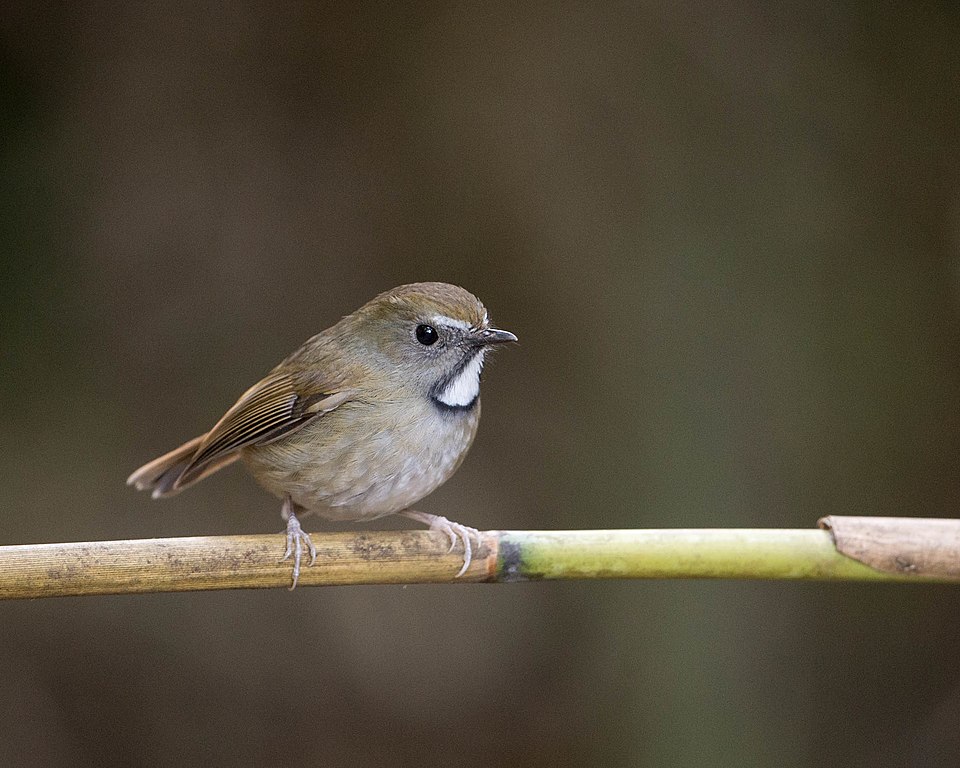
Mottled Flycatcher
Muscicapa molitor
Order: Passeriformes / Family: Muscicapidae
About the Mottled Flycatcher
The Mottled Flycatcher, scientifically known as Muscicapa molitor, plays an important role in maintaining the ecological balance in its habitats. This small songbird is primarily found across various regions in Africa, with notable populations in Uganda, Kenya, and Tanzania. It thrives in subtropical and tropical moist lowland forests, showing a preference for dense woodland areas where it can expertly hunt flying insects. The Mottled Flycatcher is a vital insectivore, helping to control pest populations, which in turn supports the health of its ecosystem. During the breeding season, typically from April to September, these flycatchers exhibit increased activity as they engage in courtship displays and territorial defense. In the non-breeding season, their activity remains high as they continue to forage extensively, maintaining their energy levels for the next breeding cycle. Observing the Mottled Flycatcher provides insights into the dynamic interactions within forested ecosystems, making it an intriguing subject for both casual birdwatchers and seasoned ornithologists.
The Mottled Flycatcher belongs to the family Muscicapidae, within the order Passeriformes. These birds typically live around 5 years on average, with a maximum lifespan of 7 years..
How to Identify a Mottled Flycatcher
The Mottled Flycatcher is a small bird, measuring about 12-13 centimeters in length. Adults display a distinctive mottled appearance, with a mix of brown, gray, and white feathers that help them blend into their forest environment. The upperparts are primarily brown with darker streaks, while the underparts are lighter with a speckled pattern. Males and females exhibit similar plumage, though females may appear slightly duller in coloration. Juveniles resemble adults but often have more pronounced streaking on their breast and back. In flight, the Mottled Flycatcher exhibits a swift, agile movement, characterized by quick, darting motions as it chases after insects. Its perching posture is typically upright, often seen on a low branch or twig where it has a clear view of its surroundings. The Mottled Flycatcher is occasionally confused with other flycatchers in its range, such as the African Dusky Flycatcher, but its speckled underparts and more contrasting upperparts provide useful identification clues.
Having trouble telling birds apart? Upload a photo to our bird identification tool for an instant species match.
Mottled Flycatcher Habitat and Range
Preferred Habitat
The Mottled Flycatcher inhabits subtropical and tropical moist lowland forests, often at elevations ranging from sea level to about 1,800 meters. It prefers areas with dense foliage, providing ample cover and abundant insect prey. These forests may be primary or secondary growth, but the bird shows a clear preference for mature woodland areas where tree canopies create a complex structure. Seasonal habitat shifts are minimal for the Mottled Flycatcher, as it tends to remain within its preferred forested regions year-round. While it is primarily a forest dweller, the Mottled Flycatcher can occasionally be spotted in more open wooded areas or near forest edges but is rarely found in urban settings. Its presence in both protected reserves and less disturbed rural areas highlights its reliance on healthy forest ecosystems.
Geographic Range
The Mottled Flycatcher's range is predominantly within the African continent, with established populations in East Africa, including Uganda, Kenya, and Tanzania. The species exhibits a relatively sedentary lifestyle, with minimal long-distance migration. However, some local movements may occur in response to food availability and breeding conditions. During the breeding season, the Mottled Flycatcher is concentrated in areas with optimal nesting sites and food resources. Population density hotspots are typically found in well-preserved forest reserves and national parks, where the bird benefits from conservation efforts and reduced human disturbance. The flycatcher's distribution remains stable, although habitat loss due to deforestation poses a potential threat to its long-term range.
Want to know which birds visit your area? Browse our backyard birds by location guides for region-specific species lists.
What Does the Mottled Flycatcher Eat?
The Mottled Flycatcher primarily feeds on insects, making it an integral part of pest control in forest ecosystems. Its diet consists mainly of small flying insects such as flies, beetles, and moths, which it captures in mid-air using its agile flight. During the breeding season, the bird's diet may shift slightly to include a higher proportion of protein-rich insects to meet the nutritional demands of raising young. The flycatcher employs a sit-and-wait foraging strategy, often perching quietly before darting out to snatch prey with precision. Prey size typically ranges from small to medium-sized insects, allowing the flycatcher to feed efficiently throughout the day. Its feeding schedule does not vary significantly with season, as it remains active during daylight hours, particularly in the early morning and late afternoon when insect activity peaks.
Mottled Flycatcher Behavior and Social Structure
The Mottled Flycatcher displays a solitary and territorial behavior, particularly during the breeding season when males establish and defend their territories through vocalizations and occasional physical displays. Courtship involves a series of aerial acrobatics and song exchanges, culminating in pair bonding. These flycatchers rarely form flocks, maintaining a solitary presence or occasionally seen in pairs. In response to predators, the Mottled Flycatcher relies on its camouflage and swift flight to evade capture, often retreating into dense foliage. Daily activity patterns include periods of active foraging interspersed with rest and preening. The bird is most active during the cooler parts of the day, avoiding the midday heat. Despite its solitary nature, the Mottled Flycatcher remains an integral part of the forest soundscape, contributing to the rich tapestry of avian life within its habitat.
Mottled Flycatcher Nesting and Reproduction
The Mottled Flycatcher constructs a cup-shaped nest using natural materials such as twigs, grass, leaves, and spider webs to bind the structure together. Nesting sites are typically located in the fork of a tree branch, providing both stability and cover. The average clutch size ranges from two to four eggs, with both parents involved in incubation and feeding the young. The incubation period lasts approximately 12-14 days, followed by a fledging period of around two weeks during which the chicks develop rapidly. Parental roles are shared, with both the male and female taking turns guarding the nest and feeding the chicks. The Mottled Flycatcher usually raises one brood per year, although favorable conditions may allow for a second attempt.
Mottled Flycatcher Sounds and Vocalizations
The Mottled Flycatcher's primary song is a melodious series of short, whistled notes delivered with a rhythmic cadence. The pitch varies slightly, adding a musical quality to its vocalizations. Call notes consist of sharp, rapid 'chip' sounds used to communicate between mates or signal alarm. When disturbed, the flycatcher emits a more intense alarm call, alerting nearby birds to potential threats. During the dawn chorus, the Mottled Flycatcher contributes to the symphony of forest sounds, its song rising above the background noise. Its vocalizations bear a resemblance to other Muscicapidae family members but are distinct in their rhythm and tone.
Interesting Facts About the Mottled Flycatcher
- 1The Mottled Flycatcher is adept at catching insects mid-flight, sometimes performing acrobatic maneuvers to secure its prey.
- 2Unlike many songbirds, the Mottled Flycatcher is known for its relatively quiet and understated song, making it challenging to detect by sound alone.
- 3The species' scientific name, Muscicapa molitor, reflects its fly-catching prowess, with 'muscicapa' referring to its insect diet.
- 4Despite its preference for dense forests, the Mottled Flycatcher occasionally ventures into forest edges, showcasing its adaptability.
- 5The bird's mottled plumage provides excellent camouflage, allowing it to blend seamlessly into the forest backdrop while hunting.
- 6In its native range, the Mottled Flycatcher is often associated with healthier forest ecosystems, serving as an indicator species for biodiversity.
- 7The Mottled Flycatcher is rarely found in captivity, as its specific habitat and dietary needs are challenging to replicate outside the wild.
Mottled Flycatcher Conservation Status
The Mottled Flycatcher currently holds a status of Least Concern on the IUCN Red List, with population trends considered stable. However, ongoing habitat destruction due to deforestation and land conversion poses significant threats to its future. Conservation efforts focus on preserving forest habitats and establishing protected areas, which benefit not only the Mottled Flycatcher but also other forest-dependent species. Historical population changes are not well-documented, but current stability suggests effective conservation measures in key regions. Continued monitoring and habitat protection are essential to ensure the flycatcher's long-term survival.