
Narcissus Flycatcher
Ficedula narcissina
Order: Passeriformes / Family: Muscicapidae

Wikimedia Commons
About the Narcissus Flycatcher
The Narcissus Flycatcher (Ficedula narcissina) captures the attention of bird enthusiasts with its striking appearance and melodic song. Endemic to East Asia, this species breeds primarily in Japan, Korea, and parts of eastern China. During the breeding season, males exhibit bold black and yellow plumage, making them easily distinguishable from other flycatchers. The Narcissus Flycatcher plays a crucial role in its ecosystem, primarily inhabiting deciduous and mixed forests where it aids in insect population control. This flycatcher is a migratory species, traveling to Southeast Asia, including the Philippines, Vietnam, and Thailand, for the winter months. Its migratory routes are fascinating, as these birds cover vast distances during their seasonal movements.
The ecological significance of the Narcissus Flycatcher extends beyond its aesthetic appeal. By feeding on a variety of insects, this bird helps maintain a balance within forest ecosystems, reducing the number of potential pest species. The Narcissus Flycatcher also serves as an indicator species, reflecting the health of its habitat. With forests facing threats from urbanization and deforestation, the presence and abundance of this flycatcher can provide insights into environmental changes.
Aside from its ecological importance, the Narcissus Flycatcher is a favorite among birdwatchers and researchers. Its presence in diverse habitats, from lowland forests to mountainous regions, offers opportunities for study and observation. During the breeding season, the bird's vibrant colors and distinctive calls make it easier to spot, while its migratory patterns offer a chance to observe this species in different environmental contexts. The Narcissus Flycatcher's adaptability is evident in its ability to thrive in both natural and modified landscapes, highlighting its resilience and ecological value.
The Narcissus Flycatcher belongs to the family Muscicapidae, within the order Passeriformes. These birds typically live typically 4-6 years, with some individuals living longer in optimal conditions..
How to Identify a Narcissus Flycatcher
The Narcissus Flycatcher displays distinctive field marks that aid in identification. Adult males are particularly striking, with a bright yellow throat, breast, and belly, contrasting with a sleek black head, back, and wings. A vivid orange-yellow patch on the forehead and a white wing bar further distinguish them. Females, while less vibrant, exhibit a more subdued palette, with olive-brown upperparts and a yellowish wash on the underparts. Juveniles resemble females but often have faint streaking on their breast.
In comparison to similar species, the Narcissus Flycatcher is often confused with the Yellow-rumped Flycatcher, but the latter lacks the Narcissus Flycatcher's distinctive orange-yellow forehead patch. In flight, the Narcissus Flycatcher maintains a characteristic silhouette with its compact body and relatively long tail. When perched, its posture is upright, often accompanied by a flicking of its tail and wings, adding to its dynamic appearance.
The bird's bright coloration and active behavior make it relatively easy to identify in its natural habitat. Seasoned birders can often distinguish the Narcissus Flycatcher by its unique color pattern and energetic movements, even from a distance.
Having trouble telling birds apart? Upload a photo to our bird identification tool for an instant species match.
Narcissus Flycatcher Habitat and Range
Preferred Habitat
The Narcissus Flycatcher primarily inhabits deciduous and mixed forests throughout its range. These birds prefer areas with dense undergrowth and a rich canopy, providing ample foraging opportunities and nesting sites. In Japan, they are commonly found in broad-leaved forests with species such as oak and beech. They can also adapt to secondary forests and wooded parks, demonstrating some resilience to habitat changes.
Elevation plays a role in their habitat selection, with the Narcissus Flycatcher occupying lowland forests during migration and ascending to higher altitudes during the breeding season. In mountainous regions, they may nest at altitudes up to 1500 meters. Seasonal shifts in habitat are evident as they migrate southwards, where they occupy similar forested environments in their wintering grounds.
The presence of the Narcissus Flycatcher in both rural and urban settings highlights its adaptability. While primarily a forest dweller, it may be observed in wooded urban areas, particularly during migration when it passes through parks and gardens, adding a splash of color to suburban landscapes.
Geographic Range
The Narcissus Flycatcher's breeding range encompasses Japan, the Korean Peninsula, and parts of eastern China. During the breeding season, Japan serves as a major stronghold for this species, where it is commonly found across Honshu, Shikoku, and Kyushu. In Korea, it occupies suitable forested areas, contributing to the regional avifauna.
As a migratory bird, the Narcissus Flycatcher travels to Southeast Asia for the winter months. Its wintering range includes countries such as the Philippines, Vietnam, Thailand, and Malaysia. The migration corridors it uses are crucial for the species' survival, as they rely on stopover sites for rest and foraging during their long journeys.
Population density varies across its range, with higher concentrations often found in optimal breeding habitats in Japan. In winter, their distribution becomes more dispersed, but they remain relatively common in suitable forest habitats across their Southeast Asian range. The population dynamics of the Narcissus Flycatcher are influenced by habitat availability, both in breeding and wintering areas, underscoring the importance of conservation efforts across its migratory path.
Want to know which birds visit your area? Browse our backyard birds by location guides for region-specific species lists.
What Does the Narcissus Flycatcher Eat?
The Narcissus Flycatcher primarily feeds on insects, making it an important insectivore in its ecosystem. Its diet consists of a variety of arthropods, including beetles, caterpillars, flies, and spiders. During the breeding season, the abundance of insects in deciduous forests provides ample food, allowing the birds to meet the high energy demands of rearing young.
Seasonal diet changes are evident as the Narcissus Flycatcher migrates to its wintering grounds. While insects remain the primary food source, the availability of different insect species may vary, prompting some dietary adjustments. They have also been known to consume berries and other small fruits, particularly when insect prey is scarce.
Foraging techniques of the Narcissus Flycatcher are diverse. They skillfully catch insects in mid-air with acrobatic flight maneuvers and also glean prey from leaves and branches. This versatility in foraging behavior allows them to exploit a wide range of food sources, ensuring their survival in various habitats. The bird's diurnal feeding schedule aligns with the peak activity of many insect species, maximizing its foraging efficiency.
Narcissus Flycatcher Behavior and Social Structure
Socially, the Narcissus Flycatcher exhibits solitary or paired behavior during the breeding season. Males establish and defend territories vigorously, using song and physical displays to deter rivals. Courtship involves elaborate displays where males sing persistently from exposed perches, showcasing their vibrant plumage to attract females.
During migration and in winter, the Narcissus Flycatcher may be observed in loose flocks, often associating with other migratory passerines. This flocking behavior likely provides safety in numbers, reducing the risk of predation. In response to predators, the flycatcher employs alarm calls and evasive flight patterns to avoid capture.
The daily activity pattern of the Narcissus Flycatcher is primarily diurnal, with peak activity occurring in the early morning and late afternoon. This timing coincides with the availability of active insect prey, allowing the flycatcher to optimize its foraging efforts. The bird's territorial and migratory behaviors are key aspects of its life history, reflecting the evolutionary adaptations that have enabled its survival across diverse environments.
Narcissus Flycatcher Nesting and Reproduction
Narcissus Flycatchers prefer to nest in tree cavities or on ledges, often utilizing natural holes or abandoned woodpecker nests. They construct their nests using a variety of materials such as moss, leaves, and twigs, creating a compact cup that provides insulation and protection for their eggs.
The typical clutch size ranges from 3 to 6 eggs, with incubation lasting approximately 12 to 14 days. Both parents share incubation duties, though the female takes a more active role in brooding. After hatching, the chicks remain in the nest for about 14 to 16 days before fledging.
Narcissus Flycatchers typically raise one brood per year, although favorable conditions may allow for a second. Parental care is extensive, with both adults feeding the chicks and removing fecal sacs to keep the nest clean. The nesting strategies of the Narcissus Flycatcher reflect both the challenges and opportunities presented by their wooded habitats.
Narcissus Flycatcher Sounds and Vocalizations
The song of the Narcissus Flycatcher is a melodious series of whistles and trills, characterized by a rhythmic and clear quality. Males sing from prominent perches, especially during the breeding season, to attract mates and establish territories. Their calls are distinctive, consisting of soft chirps and short whistles used for communication between pairs.
Alarm calls differ significantly, being sharper and more urgent in tone, serving to alert mates and young of potential threats. The dawn chorus, where a male's song becomes more frequent and pronounced, is a hallmark of the Narcissus Flycatcher's daily routine.
Comparatively, the Narcissus Flycatcher's song is less complex than some other songbird species, but its clarity and repetition make it a prominent feature of its habitat. These vocalizations are integral to its social interactions and territorial behaviors.
Interesting Facts About the Narcissus Flycatcher
- 1The Narcissus Flycatcher is named after the Greek myth of Narcissus, referencing the male's striking reflection-like plumage.
- 2This species was first described scientifically by Coenraad Jacob Temminck in 1836 based on specimens from Japan.
- 3Despite its vibrant coloration, the Narcissus Flycatcher is adept at camouflage among the dappled sunlight of forest canopies.
- 4The bird's migratory journey can cover over 3000 kilometers, showcasing its impressive stamina and navigation skills.
- 5The Narcissus Flycatcher's song plays a crucial role in territory establishment and mate attraction during the breeding season.
- 6Recent genetic studies suggest that the Narcissus Flycatcher may comprise multiple subspecies across its range.
- 7The species' adaptability to different forest types aids its survival amidst changing environmental conditions.
Narcissus Flycatcher Conservation Status
The Narcissus Flycatcher currently holds a status of Least Concern on the IUCN Red List, but its population trends warrant attention. While generally stable, certain populations face declines due to habitat loss and degradation, particularly in breeding areas affected by logging and urban expansion. Primary threats include deforestation, which reduces available nesting sites and foraging habitats. Conservation efforts focus on preserving and restoring forested areas to provide sustainable environments for breeding and migration. Historically, the Narcissus Flycatcher has maintained a relatively stable population, but ongoing environmental changes necessitate continued monitoring and management. Collaborative conservation initiatives across its migratory range are crucial to ensuring the long-term survival of this striking songbird.
Other Muscicapidae Species
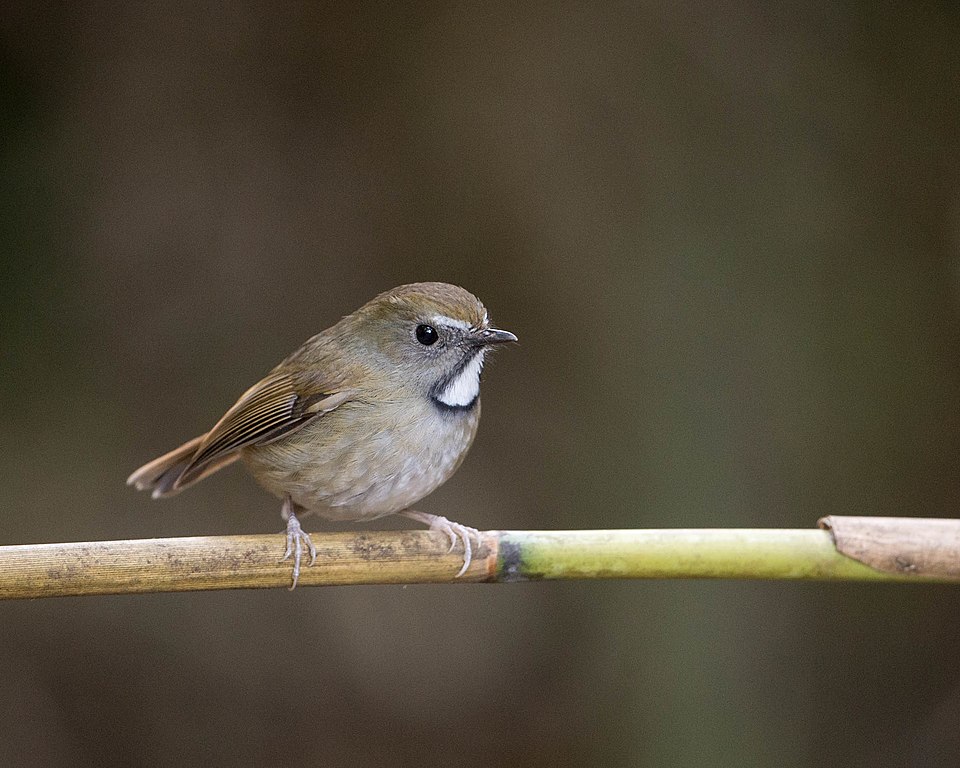


Birds Similar to the Narcissus Flycatcher
These species are often confused with the Narcissus Flycatcher due to similar appearance or overlapping range.
