
Northern Bobwhite
Colinus virginianus
Order: Galliformes / Family: Odontophoridae

Wikimedia Commons
About the Northern Bobwhite
The Northern Bobwhite, scientifically known as Colinus virginianus, is a small quail native to the United States and parts of Mexico. This bird is a vital component of the ecosystems it inhabits, notably the grasslands and open scrublands. Its presence often indicates healthy, well-managed land. Known for its distinctive 'bob-white' call, the Northern Bobwhite is an important game bird in North America, contributing significantly to local economies and traditions. The species thrives in a variety of habitats, including agricultural lands, forests, and grasslands, with a preference for areas that provide cover and foraging opportunities. During the breeding season, which typically extends from May to August, the Northern Bobwhite becomes particularly vocal, with males calling to establish territories and attract mates. The species exhibits a fascinating ground-dwelling lifestyle, relying on its cryptic plumage for camouflage from predators. The Northern Bobwhite's ecological role extends beyond its presence as prey for various predators; it also aids in seed dispersal and the control of insect populations. Seasonal behaviors of the Northern Bobwhite include forming coveys in the fall and winter, which can consist of up to 20 birds. These coveys provide warmth and protection during colder months. As ground-nesting birds, Northern Bobwhites are susceptible to habitat degradation and predation, making their conservation a topic of considerable concern. They are especially sensitive to changes in land use, such as the conversion of grasslands to agricultural or urban areas. Efforts to conserve Northern Bobwhite populations focus on habitat restoration and management, including practices such as rotational grazing and prescribed burning to maintain the open habitats the species favors. The Northern Bobwhite's ability to adapt to a range of habitats, coupled with its essential role in the ecosystems it inhabits, underscores its significance in North American biodiversity.
The Northern Bobwhite belongs to the family Odontophoridae, within the order Galliformes. These birds typically live average lifespan is 1-2 years, with a maximum recorded of 5 years..
How to Identify a Northern Bobwhite
Identifying the Northern Bobwhite involves observing its small, plump body and distinctive plumage. Adults typically have a mottled brown coloration with white and black streaking, which provides excellent camouflage among grasses and shrubs. Males can be distinguished by their white throat and eye stripe, contrasting with the brown face. Females, on the other hand, have a buff-colored throat and eye stripe, offering a more subdued appearance. Juveniles resemble females but with less distinct markings. In flight, the Northern Bobwhite shows a rounded silhouette with relatively short wings and a short tail. These birds usually burst into flight with rapid wingbeats before gliding to a stop, a behavior that helps distinguish them from similarly sized ground birds. The Northern Bobwhite's perching posture is often upright, with the bird perched on low shrubs or fence posts, especially when calling. Confusion with similar species, such as the Scaled Quail or Gambel's Quail, can occur, but the Northern Bobwhite's distinctive call and geographic location often help in accurate identification.
Having trouble telling birds apart? Upload a photo to our bird identification tool for an instant species match.
Northern Bobwhite Habitat and Range
Preferred Habitat
The Northern Bobwhite thrives in various habitats, with a preference for grasslands, open woodlands, and agricultural fields. This bird is commonly found at elevations ranging from sea level to about 5,000 feet. While they predominantly inhabit rural landscapes, Northern Bobwhites can also be found in suburban and semi-urban areas where suitable cover exists. Seasonal habitat shifts are minimal, as these birds typically remain in the same general area year-round, provided that food and cover are available. They favor areas with a mix of grasses, shrubs, and open spaces, such as those found in the Midwest and Southeastern United States, where they can forage and nest effectively. Habitat management practices, such as the maintenance of hedgerows and the preservation of native grasses, are crucial for supporting healthy Northern Bobwhite populations.
Geographic Range
The Northern Bobwhite's range primarily covers the eastern United States, extending from the Great Plains to the Atlantic Coast. Its breeding range includes states like Texas, Oklahoma, and Florida, extending northward to the southern parts of Minnesota and Wisconsin. During winter, the Northern Bobwhite remains within its breeding range, as it is a non-migratory species. However, some populations may show minor local movements in response to food availability and weather conditions. Population density hotspots exist in the southeastern United States, particularly in states like Georgia and Alabama, where suitable habitats are more prevalent. Efforts to understand and manage their range focus on habitat restoration and connectivity across fragmented landscapes.
Want to know which birds visit your area? Browse our backyard birds by location guides for region-specific species lists.
What Does the Northern Bobwhite Eat?
The Northern Bobwhite primarily feeds on seeds and small insects, with its diet varying seasonally. In spring and summer, insects such as beetles and grasshoppers form a significant portion of their diet, providing essential proteins for breeding and raising chicks. During fall and winter, the diet shifts to include a higher percentage of seeds from grasses and forbs. Foraging occurs on the ground, and Northern Bobwhites employ a methodical pecking technique to capture insects and pick seeds. They typically feed in the early morning and late afternoon, avoiding the midday heat. The size of prey items ranges from small seeds to insects about the size of a fingernail, allowing for a diverse diet that supports their energetic demands.
Northern Bobwhite Behavior and Social Structure
Northern Bobwhites exhibit fascinating social and territorial behaviors. They are generally monogamous, with pairs forming during the breeding season. Courtship displays involve males calling and fluffing their feathers to attract females. Once paired, the male becomes highly territorial, defending a specific area against other males. Outside the breeding season, Northern Bobwhites form coveys, which are social groups that provide safety in numbers. These coveys disband with the onset of spring as birds pair off for breeding. Daily activity patterns include foraging during cooler parts of the day and resting in sheltered areas during midday. When threatened by predators, Northern Bobwhites rely on their camouflage but can burst into rapid, erratic flight to escape. Their response to predators can also include distraction displays, where an adult fakes injury to lure threats away from nests or young.
Northern Bobwhite Nesting and Reproduction
Northern Bobwhites build their nests on the ground, often in grass clumps or under shrubs. The nest is a shallow depression lined with grass, leaves, and feathers, providing insulation and camouflage. Preferred nesting locations include areas with dense, grassy cover that offers concealment from predators. A typical clutch consists of 12 to 16 eggs, which are white and slightly glossy. The incubation period lasts about 23 days, with both parents sharing incubation duties. After hatching, chicks are precocial, leaving the nest shortly after to follow their parents. Fledging occurs within two weeks, although the young continue to rely on parental care for several more weeks. Northern Bobwhites can produce up to two broods per year, depending on environmental conditions and food availability.
Northern Bobwhite Sounds and Vocalizations
The Northern Bobwhite's primary song is a clear, whistling 'bob-white' call, which carries over long distances and is often heard in the early morning and late afternoon. This call, used primarily by males, serves to establish territory and attract mates. In addition to the iconic song, Northern Bobwhites produce a range of calls, including soft clucks and peeps used for communication within coveys. Alarm calls are sharp and abrupt, alerting other birds to potential threats. The dawn chorus is a particularly active time for vocalizations, with males calling persistently to assert their presence and fend off rivals.
Interesting Facts About the Northern Bobwhite
- 1The Northern Bobwhite can produce up to two broods per year, each with about 12 to 16 eggs.
- 2A covey of Northern Bobwhites can consist of up to 20 birds, providing warmth and protection.
- 3Despite their small size, Northern Bobwhites can fly at speeds of up to 20 miles per hour.
- 4The Northern Bobwhite's call can be heard over half a mile away in open habitats.
- 5Management practices like prescribed burning benefit Northern Bobwhites by maintaining open habitats.
- 6Northern Bobwhites rely on their cryptic plumage for excellent camouflage against predators.
- 7The Northern Bobwhite has been a popular game bird in North America for centuries, valued for its challenging hunt.
Northern Bobwhite Conservation Status
The Northern Bobwhite is currently listed as Near Threatened by the IUCN, with populations experiencing a long-term decline. Primary threats include habitat loss due to agricultural intensification, urbanization, and changes in land management practices. Conservation efforts focus on habitat restoration and management, such as the establishment of buffer strips and the use of prescribed burns to maintain open habitats. Historical population changes have seen declines due to widespread habitat conversion, but localized efforts show promise in reversing these trends through collaborative conservation initiatives.
Other Odontophoridae Species


Birds Similar to the Northern Bobwhite
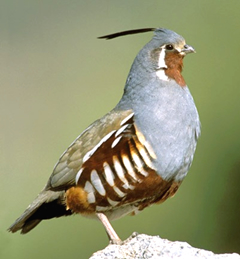
These species are often confused with the Northern Bobwhite due to similar appearance or overlapping range.