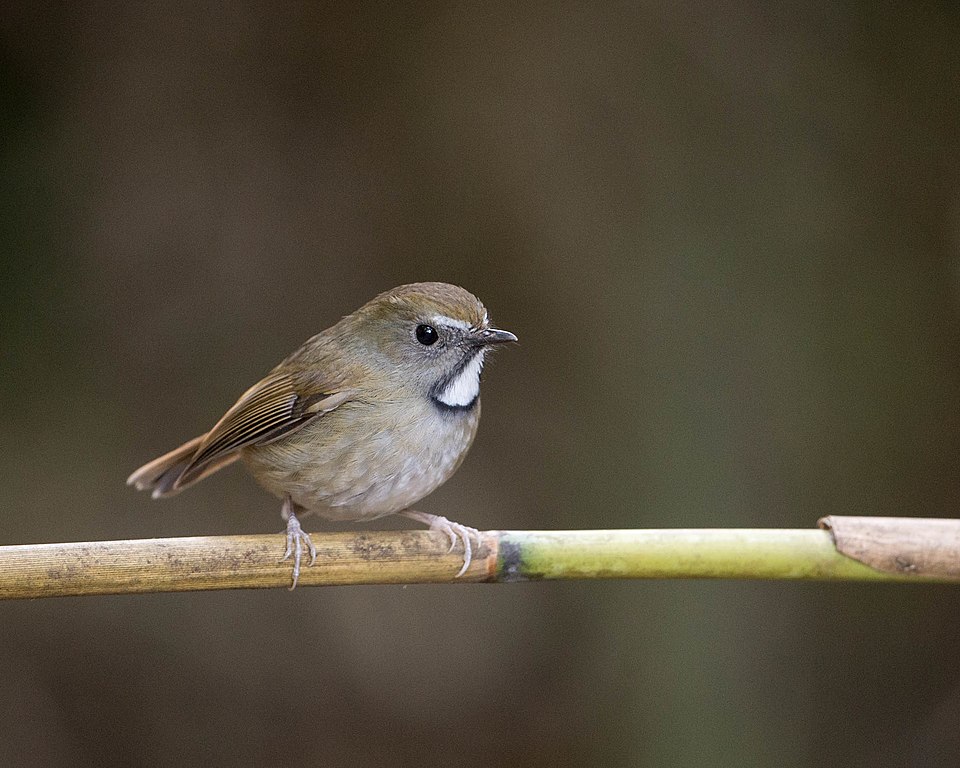
Palawan Blue Flycatcher
Cyornis lemprieri
Order: Passeriformes / Family: Muscicapidae

Wikimedia Commons
About the Palawan Blue Flycatcher
The Palawan Blue Flycatcher, scientifically named Cyornis lemprieri, is a captivating songbird endemic to the island of Palawan in the Philippines. This small flycatcher plays a vital role in its ecosystem, primarily as an insectivore, and is recognized for its vivid blue coloration, which contrasts strikingly against the lush green backdrop of its forest habitat. Its presence is a reliable indicator of healthy, undisturbed forest ecosystems. The species inhabits the lowland and montane forests of Palawan, often found in areas with thick understory, where it actively participates in controlling insect populations.
The bird's ecological role extends to its contribution to seed dispersal, albeit to a lesser extent than its insect-eating activities. As a species primarily concerned with maintaining insect balance, it indirectly supports plant health and biodiversity. The Palawan Blue Flycatcher's song is a known feature of the forest soundscape, marking territories and engaging in courtship, and contributes to the rich auditory tapestry of the region.
Seasonally, the Palawan Blue Flycatcher remains relatively sedentary, with little evidence of long-distance migration. However, it does exhibit some altitudinal movement, often descending to lower elevations during the wet season when food becomes more abundant in these areas. This behavior underscores its adaptability to seasonal changes, ensuring its survival and continued presence in various forest strata. The Palawan Blue Flycatcher is a symbol of the untouched natural beauty of Palawan, reflecting the island's rich biodiversity and the interactions between its vibrant bird species and their habitats.
The Palawan Blue Flycatcher belongs to the family Muscicapidae, within the order Passeriformes. These birds typically live average 4-6 years, with a maximum recorded of 9 years.
How to Identify a Palawan Blue Flycatcher
The Palawan Blue Flycatcher is a small but easily recognizable bird, primarily due to its stunning blue plumage. Adult males exhibit a deep cobalt blue on the head, back, and wings, with a lighter blue on the underparts, creating a striking visual contrast. A dark mask extends across the face, highlighting the eyes and giving the bird a distinctive appearance. Females, while less vibrant, display a paler blue with grayish-brown tones on the wings and back, providing camouflage within their forested environment.
Juveniles differ from adults, often showing a mottled pattern with duller colors that gradually transition to the adult plumage as they mature. This difference aids in their protection from predators by allowing them to blend more seamlessly into their surroundings.
In flight, the Palawan Blue Flycatcher presents a compact silhouette, with a quick wing beat that enables agile maneuvering through dense vegetation. Perching behavior is notable, with the bird frequently observed sallying from a perch to catch insects mid-air. Its posture is upright, with a slightly tilted head, ever-alert to the presence of prey. While there are no species within its immediate range that closely resemble it, distinguishing features such as its blue coloring and vocalizations make it identifiable among the other avian residents of Palawan.
Having trouble telling birds apart? Upload a photo to our bird identification tool for an instant species match.
Palawan Blue Flycatcher Habitat and Range
Preferred Habitat
The Palawan Blue Flycatcher favors tropical lowland forests and montane forests as its primary habitats. These forests offer the dense canopy and rich understory necessary for its feeding and nesting activities. With an elevation range that extends from sea level to about 1,500 meters, these birds are adaptable to various forest types within this range. They are particularly abundant in regions where the forest remains largely undisturbed.
During different times of the year, the Palawan Blue Flycatcher may exhibit subtle shifts in habitat usage, particularly moving to lower elevations during the wet season. However, it remains strongly tied to forested environments, showing little presence in urbanized or heavily altered landscapes. The bird's reliance on intact forest ecosystems underscores the importance of preserving these natural areas to maintain its population. While it is not typically found in rural gardens or urban parks, its presence in forested areas adjacent to human habitation can occur, provided these areas retain sufficient natural features.
Geographic Range
The Palawan Blue Flycatcher is endemic to the Philippine island of Palawan, where it resides year-round. Unlike many migratory songbirds, this species does not undertake long-distance migrations, instead remaining within the confines of Palawan's diverse forest landscapes throughout the year. Within this range, the bird is more frequently observed in the central and southern parts of the island, particularly in forested areas that have not been extensively logged or degraded.
The species does not extend its range to neighboring islands or mainland areas, underscoring its specialization and adaptation to Palawan's specific ecological conditions. Population densities tend to be higher in protected areas where conservation efforts have maintained sufficient habitat integrity. While there are no known migratory corridors for this species, its presence across various elevations on Palawan highlights its adaptability to the island's environmental gradients.
Despite its limited range, the Palawan Blue Flycatcher remains a significant contributor to the island's avian diversity, with populations stable in undisturbed regions but potentially declining in areas facing habitat loss due to human activity.
Want to know which birds visit your area? Browse our backyard birds by location guides for region-specific species lists.
What Does the Palawan Blue Flycatcher Eat?
The diet of the Palawan Blue Flycatcher consists primarily of insects, which it catches with deft aerial maneuvers characteristic of flycatchers. Its foraging technique involves sallying from a perch to snatch prey mid-flight, a behavior that requires both agility and precision. Common prey items include beetles, flies, and small moths, which vary in size but generally fall within the small to medium range.
Seasonal diet changes occur, with the flycatcher exploiting different insect populations as they become available throughout the year. During the wet season, when insect activity peaks, the bird's feeding patterns intensify, reflecting the abundance of food sources. In addition to insects, the Palawan Blue Flycatcher may occasionally consume other small arthropods, providing dietary diversity.
Feeding typically occurs during daylight hours, with peak activity in the early morning and late afternoon. This schedule aligns with the activity patterns of its prey, ensuring optimal foraging success. The bird's role as an insectivore not only helps regulate insect populations but also benefits the broader forest ecosystem by maintaining ecological balance.
Palawan Blue Flycatcher Behavior and Social Structure
The Palawan Blue Flycatcher exhibits a solitary and territorial demeanor, particularly during the breeding season. Males establish and vigorously defend territories, often through vocal displays and physical posturing. Their melodious and varied song serves both to attract mates and to assert dominance over a given area.
Courtship involves elaborate displays, with males showcasing their plumage and engaging in dance-like movements to woo females. Once paired, the pair remains together for the breeding season, exhibiting shared responsibilities in nesting and chick-rearing activities. Flocking behavior is rare outside of the breeding season, with individuals typically maintaining separate territories.
The bird's daily activity patterns include active foraging sessions interspersed with periods of rest and preening. The Palawan Blue Flycatcher shows a cautious response to predators, relying on its keen senses and swift flight to evade threats. Its preference for dense foliage offers additional protection from avian and terrestrial predators alike.
This flycatcher contributes to the dynamic soundscape of its habitat, particularly during the dawn and dusk hours when its vocalizations are most frequent. Its role within the avian community of Palawan is defined by its territoriality, unique courtship behaviors, and vocal interactions.
Palawan Blue Flycatcher Nesting and Reproduction
The nesting habits of the Palawan Blue Flycatcher reflect its preference for secure and concealed locations. Nests are typically built in low shrubs or saplings, often within the dense undergrowth of its forest habitat. These cup-shaped nests are constructed using a variety of materials, including twigs, grasses, and occasionally feathers or other soft items for lining.
A typical clutch consists of two to three eggs, with both parents sharing incubation duties over a period of approximately 12 to 14 days. The eggs are pale with subtle speckling, providing a degree of camouflage within the nest environment. Following hatching, the chicks remain in the nest for about two weeks before fledging.
During the nesting period, parental roles are well-defined, with both male and female participating in feeding and caring for the young. The parents exhibit protective behavior, often aggressively defending the nest site from potential predators. The Palawan Blue Flycatcher generally raises one brood per year, although favorable conditions may sometimes lead to a second brood.
The success of each nesting attempt relies heavily on the availability of suitable nesting sites and the abundance of food resources to sustain the growing chicks. This critical period highlights the importance of maintaining intact forest environments to support the reproductive success of this species.
Palawan Blue Flycatcher Sounds and Vocalizations
The Palawan Blue Flycatcher is renowned for its musical song, characterized by a series of melodious, high-pitched notes that vary in pitch and duration. The song often begins with a clear whistle, followed by a series of trills and warbles, creating a complex and pleasing aural display.
In addition to its primary song, the flycatcher also produces a variety of call notes used for communication between mates or as alarm signals. These calls are generally shorter and sharper than the song, serving as effective alerts to potential threats.
During the dawn chorus, the Palawan Blue Flycatcher's song is most prominent, contributing to the rich symphony of sounds that define the early morning forest environment. Its vocalizations, although distinct, may remind listeners of other flycatcher species, yet the unique combination of notes and rhythm sets it apart from its avian counterparts.
The bird's ability to produce a wide range of sounds highlights its adaptability and the importance of vocal communication in its social and territorial behaviors.
Interesting Facts About the Palawan Blue Flycatcher
- 1The Palawan Blue Flycatcher is endemic to the Philippines, specifically Palawan Island, showcasing evolutionary specialization.
- 2Despite its bright blue color, the bird's plumage appears more subdued in low light, providing natural camouflage.
- 3This flycatcher is primarily insectivorous but occasionally eats small fruit, adding variety to its diet.
- 4The Palawan Blue Flycatcher’s song can be heard up to 100 meters away, marking its territorial boundaries.
- 5Male Palawan Blue Flycatchers often sing more frequently during the breeding season, enhancing their courtship displays.
- 6These birds typically nest at low heights, often less than two meters above ground, in dense undergrowth.
- 7The Palawan Blue Flycatcher exhibits limited range compared to other flycatchers, indicating its preference for specific habitats.
Palawan Blue Flycatcher Conservation Status
The Palawan Blue Flycatcher is currently listed as Near Threatened on the IUCN Red List, with its population trend showing a decline due to habitat loss. The primary threat to the species is deforestation, driven by logging, agricultural expansion, and infrastructure development, which reduce the availability of suitable habitats. Conservation efforts focus on protecting remaining forest areas, particularly within the island's protected reserves. Initiatives include habitat restoration and the enforcement of regulations to curb illegal logging activities. These measures aim to stabilize and hopefully increase the flycatcher's population over time. Historically, the Palawan Blue Flycatcher enjoyed a more stable population, but recent decades have seen pressures mount. Awareness campaigns and community engagement are becoming increasingly important in conservation efforts, emphasizing the need for sustainable development practices. While challenges remain, the commitment to preserving Palawan's biodiversity offers hope for the continued survival of this and other endemic species. Long-term success will depend on balancing human needs with ecological sustainability.