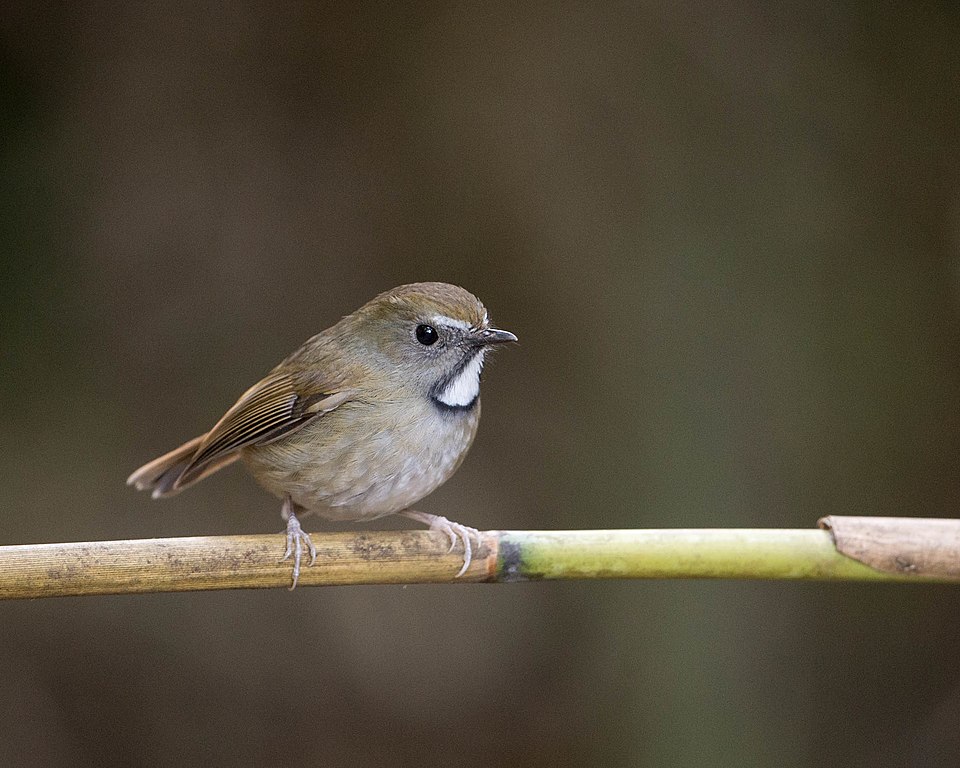
Red-capped Robin-Chat
Cossypha natalensis
Order: Passeriformes / Family: Muscicapidae

Wikimedia Commons
About the Red-capped Robin-Chat
The Red-capped Robin-Chat (Cossypha natalensis) is a captivating passerine bird belonging to the family Muscicapidae. Renowned for its vivid plumage, it plays an essential role in the ecosystems of sub-Saharan Africa. This bird inhabits dense forests and woodland regions, offering a splash of color within the dappled shadows of its habitat. Its presence is vital as it contributes to seed dispersal and insect population control, thereby maintaining ecological balance. Found predominantly across eastern and southern Africa, the Red-capped Robin-Chat thrives in countries such as South Africa, Mozambique, Zimbabwe, and Malawi. In these regions, it occupies a range of habitats from coastal forests to montane woodlands, adapting to varying environmental conditions. The bird's adaptability to different forested environments underscores its ecological importance. Seasonal behaviors include a noticeable shift during the breeding season, where males engage in elaborate displays to attract mates. These displays, coupled with their melodic songs, signal the onset of breeding, which typically occurs in the warmer months. During this time, the Red-capped Robin-Chat becomes more vocal and visible as it establishes territories and builds nests. Outside the breeding season, these birds may participate in mixed-species flocks, taking advantage of the increased foraging opportunities these groups provide. This seasonal variance in behavior illustrates their adaptability and resilience in the face of environmental changes.
The Red-capped Robin-Chat belongs to the family Muscicapidae, within the order Passeriformes. These birds typically live 5-7 years in the wild..
How to Identify a Red-capped Robin-Chat
The adult Red-capped Robin-Chat boasts a striking appearance with its bright orange-red cap that offers a stark contrast to its otherwise muted body. Its upperparts are largely brownish with a subtle gray wash, while the underparts feature a warmer orange hue. The wings display a mix of brown and orange, creating a distinct pattern in flight. Juvenile birds differ slightly, presenting a more subdued color palette with brown and mottled plumage, lacking the vivid cap of the adults. Both male and female Red-capped Robin-Chats appear similar in plumage, making sex differentiation in the field challenging. However, keen observers might note subtle differences in behavior, especially during the breeding season when males exhibit more flamboyant displays. In flight, this species can be identified by its rounded wings and relatively short tail, creating a compact silhouette. Their perching posture is typically upright, often seen on low branches or underbrush. While confusion may arise with similar species such as the Cape Robin-Chat, the Red-capped Robin-Chat's distinct cap and song help distinguish it from close relatives.
Having trouble telling birds apart? Upload a photo to our bird identification tool for an instant species match.
Red-capped Robin-Chat Habitat and Range
Preferred Habitat
The Red-capped Robin-Chat primarily inhabits moist to semi-moist forests and dense woodland areas, preferring regions with thick undergrowth and ample shelter. It thrives in both lowland and montane forest environments, frequently found at elevations ranging from sea level to about 2,500 meters. This species shows some flexibility, occasionally venturing into suburban gardens and well-vegetated parks, particularly in regions where its natural habitat is fragmented. Seasonal habitat shifts are minimal, as the Red-capped Robin-Chat tends to remain within its wooded territories year-round. However, during the breeding season, it may seek out areas with denser vegetation to ensure suitable nesting sites. While primarily a denizen of rural and semi-wild areas, this bird's occasional presence in urban settings highlights its adaptability to different environments.
Geographic Range
The Red-capped Robin-Chat's range extends broadly across the eastern parts of sub-Saharan Africa. It is predominantly found in countries such as South Africa, Mozambique, Zimbabwe, Eswatini, and parts of Tanzania and Zambia. This species is a non-migratory resident, with populations remaining within their established ranges throughout the year. However, local movements can occur, particularly in response to environmental changes such as variations in food availability or habitat disturbances. Population density tends to be higher in regions with extensive forest cover and minimal human interference. Hotspots for this species include the coastal forests of KwaZulu-Natal in South Africa and the montane regions of Zimbabwe. Despite its broad range, the Red-capped Robin-Chat is absent from arid and open areas, underscoring its dependence on forested habitats.
Want to know which birds visit your area? Browse our backyard birds by location guides for region-specific species lists.
What Does the Red-capped Robin-Chat Eat?
The Red-capped Robin-Chat's diet primarily consists of insects and other invertebrates, making it an effective insectivore. It actively forages on the ground and among leaf litter, using its keen eyesight to detect movement. Common prey includes beetles, ants, caterpillars, and spiders, which it deftly captures with quick, precise movements. Seasonal variations in diet are observed, with a higher intake of fruits and berries during certain times of the year, particularly when insects are less abundant. This dietary flexibility allows the Red-capped Robin-Chat to exploit a variety of food sources, ensuring its survival across diverse habitats. The bird's foraging technique often involves short hops and brief flights as it searches through the underbrush, demonstrating its adaptability and resourcefulness.
Red-capped Robin-Chat Behavior and Social Structure
The Red-capped Robin-Chat is a solitary bird, typically seen alone or in pairs, especially during the breeding season. It exhibits strong territorial behavior, with males vigorously defending their chosen areas through song and displays. Courtship involves the male performing a series of bows and wing flicks to attract a mate, often accompanied by a rich, melodious song. This species does not form large flocks but may join mixed-species foraging groups outside the breeding season, taking advantage of the protection and increased feeding opportunities such groups offer. In response to predators, the Red-capped Robin-Chat engages in alarm calls and distraction displays, attempting to draw threats away from nests or vulnerable areas. Daily activity patterns involve active foraging during the cooler parts of the day, with periods of rest and preening during midday heat. The bird’s adaptability to seasonal and environmental changes highlights its resilience and capacity for survival.
Red-capped Robin-Chat Nesting and Reproduction
Red-capped Robin-Chats construct their nests in dense vegetation, often close to the ground, where they are well-hidden from predators. The nests are cup-shaped and crafted from a mix of twigs, leaves, and grass, lined with finer materials such as rootlets and hair for added comfort. Clutch size typically ranges from two to three eggs, with pale blue or greenish hues marked with fine speckles. The incubation period lasts about 14 days, during which the female primarily undertakes the task, while the male provides food and security. Once hatched, the chicks fledge in approximately 14 to 16 days, with both parents involved in feeding and protecting the young. The Red-capped Robin-Chat generally raises one to two broods per year, depending on environmental conditions and food availability.
Red-capped Robin-Chat Sounds and Vocalizations
The Red-capped Robin-Chat's song is a complex, melodious series of whistles and trills, often delivered from a concealed perch within dense vegetation. The rhythm is varied, with clear, flute-like phrases that rise and fall in pitch, creating an enchanting soundscape in its forest habitat. In addition to its primary song, the bird produces a range of call notes, including sharp 'chack' sounds and softer, more conversational tones used during social interactions. Alarm calls are harsher, designed to alert other birds of potential threats. During the dawn chorus, the Red-capped Robin-Chat's song stands out, contributing to the rich tapestry of forest sounds. The musicality and variety in its vocalizations make it a favorite among birdwatchers and nature enthusiasts.
Interesting Facts About the Red-capped Robin-Chat
- 1The Red-capped Robin-Chat's song is so varied that it can mimic the calls of other bird species, adding complexity to its vocal repertoire.
- 2Despite its vibrant coloration, the Red-capped Robin-Chat is adept at remaining hidden in dense undergrowth, showcasing its excellent camouflage skills.
- 3The species is known for its fearless behavior when defending its nest, often confronting much larger predators with aggressive displays.
- 4Red-capped Robin-Chats have a mutual relationship with certain ant species, which help them find hidden prey within leaf litter.
- 5Their nests are often parasitized by cuckoos, showcasing the intricate web of interactions within forest ecosystems.
Red-capped Robin-Chat Conservation Status
The Red-capped Robin-Chat is currently listed as a species of Least Concern by the IUCN, with stable population trends across its range. Primary threats include habitat loss due to deforestation and human encroachment, which can lead to fragmentation of its preferred forest environments. Conservation efforts focus on habitat protection and restoration, ensuring the preservation of wooded areas essential for its survival. Historical population changes remain relatively stable, although localized declines may occur in areas with intense habitat disturbance. Continued conservation attention is necessary to maintain this stability, particularly as human pressures on natural habitats increase.