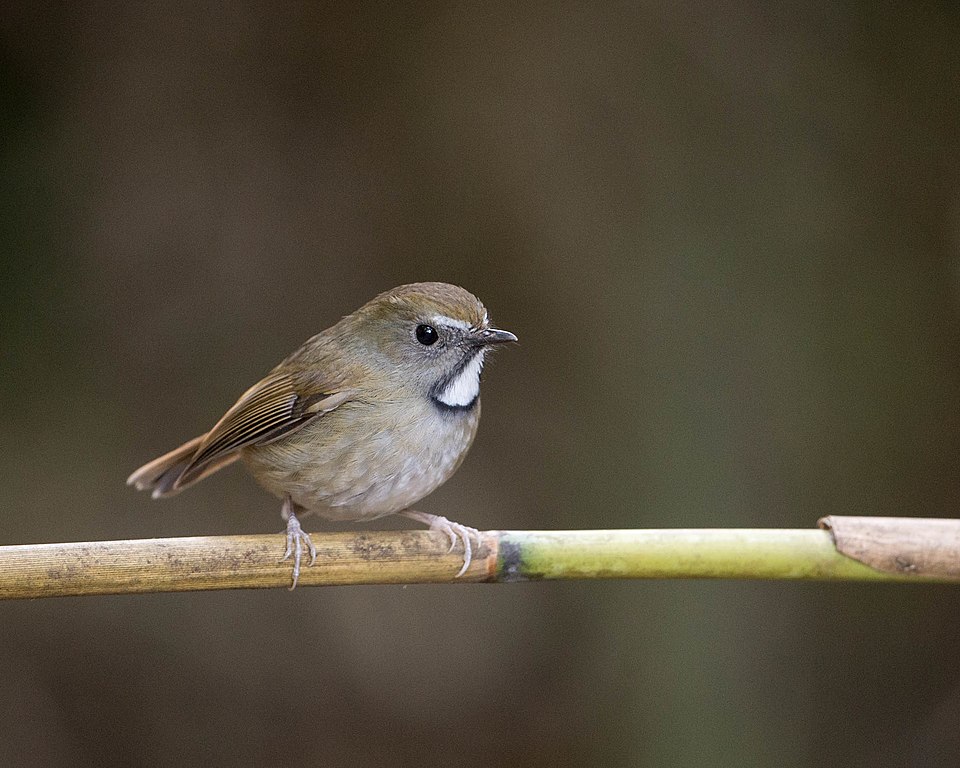
Reunion Stonechat
Saxicola tectes
Order: Passeriformes / Family: Muscicapidae

Wikimedia Commons
About the Reunion Stonechat
The Reunion Stonechat, Saxicola tectes, is an endemic bird species found exclusively on Réunion Island, located in the Indian Ocean east of Madagascar. This small passerine is a member of the Muscicapidae family, which includes the Old World flycatchers and chats. The Reunion Stonechat plays a crucial role within its ecosystem as an insectivore, helping to control the populations of various invertebrates. This bird's presence is an indicator of the health of the native habitats, which include a mix of montane shrublands and lower-elevation forested areas.
The significance of the Reunion Stonechat extends beyond its ecological role, as it is considered a symbol of the island's unique biodiversity. Réunion is known for its diverse landscapes, from volcanic peaks to lush rainforests, and the stonechat is an integral part of these environments. The bird is particularly associated with high-elevation shrublands and heathlands, often found flitting among low vegetation or perched on exposed rocks and shrubs.
Throughout the year, the Reunion Stonechat exhibits distinct seasonal behaviors. During the breeding season, which aligns with the Southern Hemisphere's spring and summer months, they become highly territorial. Males engage in vocal displays and aerial maneuvers to attract mates and defend their nesting sites. Outside the breeding season, however, these birds can be observed in loosely organized flocks, often in family groups. This seasonal shift from territoriality to sociality highlights their adaptability to the island's dynamic climatic conditions.
The ecological role of the Reunion Stonechat is underscored by its dietary habits and foraging behavior. As an insectivore, it consumes a variety of arthropods, thus playing a vital part in controlling pest populations. The stonechat's foraging strategy involves perching visibly and making short flights to catch insects in mid-air. This behavior not only aids in maintaining ecological balance but also provides an engaging spectacle for birdwatchers and nature enthusiasts visiting Réunion.
The Reunion Stonechat belongs to the family Muscicapidae, within the order Passeriformes. These birds typically live average 5-7 years with a maximum recorded of 9 years..
How to Identify a Reunion Stonechat
Identifying the Reunion Stonechat involves observing its distinctive field marks. Adult males are particularly striking, with a contrasting black head, white collar, and bright orange breast. Their back and wings are primarily dark brown to black, while the underparts are a clean white, creating a sharp contrast that aids in identification. Females, while less vividly colored, share the same general pattern but feature more muted tones with brownish hues on the head and breast, and a buffy white underbelly.
Juvenile Reunion Stonechats are often mistaken for females due to their similar coloration. However, juveniles can be differentiated by their more mottled plumage and the lack of the distinct white collar seen in adults. As they mature, their plumage gradually becomes more defined, with young males developing the characteristic bright orange breast and black head of adult males.
In flight, the Reunion Stonechat presents a compact silhouette with short wings and a slightly rounded tail. Their perching posture is upright and alert, often on top of shrubs or small trees, which enables them to survey their surroundings for insects. Despite their small size, Reunion Stonechats are active and conspicuous, often attracting attention with their bold behavior and striking coloration.
Having trouble telling birds apart? Upload a photo to our bird identification tool for an instant species match.
Reunion Stonechat Habitat and Range
Preferred Habitat
The Reunion Stonechat inhabits a variety of habitats across Réunion Island, predominantly favoring montane shrublands and heathlands. These areas, characterized by dense low vegetation and occasional rocky outcrops, provide ample perching sites and abundant insect prey. The stonechat is most commonly observed at elevations ranging from 500 to 2,000 meters, although it occasionally descends to lower altitudes in search of food during non-breeding seasons.
In addition to natural habitats, the Reunion Stonechat has shown adaptability to human-altered landscapes. While it prefers rural settings, it can sometimes be found in the outskirts of urban areas, particularly where gardens and parks offer suitable foraging opportunities. Seasonal habitat shifts are not pronounced, but during periods of adverse weather, such as heavy rains, the stonechat may seek more sheltered environments within its elevation range.
Geographic Range
The Reunion Stonechat is endemic to Réunion Island, which is part of the Mascarene Islands in the Indian Ocean. Its range is confined to this single landmass, where it occupies a variety of habitats from coastal areas to the highland shrublands. This bird does not engage in long-distance migration, remaining on the island throughout the year, although it may move locally in response to food availability and weather conditions.
Population density is highest in the high-altitude regions of the island, where open shrublands provide optimal conditions for foraging and nesting. Despite its limited range, the stonechat is relatively adaptable within these confines, allowing it to exploit different microhabitats across Réunion. Conservation efforts center on preserving the island's natural environments to ensure the continued survival of this unique avian species.
Want to know which birds visit your area? Browse our backyard birds by location guides for region-specific species lists.
What Does the Reunion Stonechat Eat?
The diet of the Reunion Stonechat primarily consists of insects and other invertebrates, making it an important insectivore within its ecosystem. Common prey items include beetles, caterpillars, and various flying insects, which the stonechat captures through agile aerial forays or by gleaning from foliage.
Seasonal changes can influence the abundance of food sources, prompting the stonechat to adjust its foraging strategies. During the wetter months, when insect populations typically increase, these birds can be seen actively hunting throughout the day. In drier periods, they may concentrate their efforts during the cooler morning and late afternoon hours when insects are more active.
The Reunion Stonechat employs a sit-and-wait hunting technique, perching conspicuously on shrubs or low branches before darting off to catch passing insects. This method allows it to efficiently exploit the available food resources while maintaining a keen awareness of its surroundings.
Reunion Stonechat Behavior and Social Structure
The Reunion Stonechat exhibits a range of behaviors that reflect its adaptability and social structure. During the breeding season, these birds become highly territorial, with males performing elaborate vocal and flight displays to establish dominance and attract mates. These displays often involve a series of fluttering flights and melodic songs, which serve to delineate territory boundaries and deter rival males.
Outside the breeding season, the stonechat demonstrates more social behavior, often forming small flocks or family groups. This shift from territoriality to sociality suggests a flexible social structure that allows them to respond to varying environmental conditions. The stonechat maintains a diurnal activity pattern, with peak foraging periods occurring in the early morning and late afternoon.
In response to predators, the Reunion Stonechat employs several defense mechanisms, including alarm calls and evasive flight patterns. When threatened, they may also seek refuge in dense vegetation or rocky crevices. These behaviors highlight the species' adaptability and resilience in the face of potential threats.
Reunion Stonechat Nesting and Reproduction
The nesting habits of the Reunion Stonechat are closely tied to the island's montane habitats. They typically build cup-shaped nests using a variety of materials such as grass, small twigs, and moss, often lined with softer substances like feathers or animal fur to provide insulation for the eggs.
Nests are usually located low to the ground, concealed within shrubbery or among rocks, which provides protection from predators and harsh weather. The typical clutch size ranges from two to four eggs, with both parents sharing incubation duties, which last approximately 13 to 15 days.
After hatching, the chicks are altricial, requiring significant parental care. Both male and female stonechats participate in feeding and protecting the young, which fledge about 15 to 17 days after hatching. The Reunion Stonechat typically raises one or two broods per year, depending on environmental conditions and food availability.
Reunion Stonechat Sounds and Vocalizations
The primary song of the Reunion Stonechat is a melodious and varied series of notes, characterized by a rhythmic, high-pitched warble that can be heard throughout their territories. This song serves multiple purposes, including mate attraction and territorial defense.
In addition to their song, Reunion Stonechats produce a range of call notes, including a sharp 'chack' sound used as an alarm call when potential predators are nearby. These calls are often repeated in quick succession and can vary slightly in tone depending on the level of threat perceived.
At dawn, the stonechat's song becomes especially prominent as part of the dawn chorus, which serves to reinforce territory boundaries and communicate with potential mates. This vocal behavior is a vital part of their life cycle, ensuring successful breeding and survival in the competitive environments of Réunion.
Interesting Facts About the Reunion Stonechat
- 1The Reunion Stonechat is one of the few bird species endemic to Réunion Island, highlighting its ecological uniqueness.
- 2Despite its small size, the Reunion Stonechat plays a significant role in controlling insect populations on the island.
- 3The species exhibits sexual dimorphism, with males displaying more vibrant plumage than females, a common trait among songbirds.
- 4Reunion Stonechats are known for their distinctive upright perching posture, often seen on exposed branches or rocks.
- 5The song of the Reunion Stonechat is a complex series of warbles, unique among birds inhabiting the Mascarene Islands.
- 6These birds are non-migratory, remaining on Réunion Island year-round, although they may move to different altitudes seasonally.
- 7The Reunion Stonechat's adaptability to both natural and modified habitats aids its survival amidst increasing human development.
Reunion Stonechat Conservation Status
The Reunion Stonechat is currently listed as Least Concern by the IUCN, reflecting a stable population trend across Réunion Island. However, the species faces ongoing threats from habitat degradation, primarily due to agricultural expansion and urban development. Conservation efforts focus on habitat preservation and the management of invasive species, which pose a threat to the stonechat's natural environment. Historical population changes have been relatively minor, but continuous monitoring is essential to ensure the species remains resilient to future challenges. Local conservation programs have been implemented to protect the native habitats of Réunion, thereby supporting the diverse avian community of which the Reunion Stonechat is an integral part. These efforts aim to maintain the ecological balance and biodiversity that define this unique island ecosystem.