
Russet-backed Jungle Flycatcher
Rhinomyias oscillans
Order: Passeriformes / Family: Muscicapidae

Wikimedia Commons
About the Russet-backed Jungle Flycatcher
The Russet-backed Jungle Flycatcher, scientifically named Rhinomyias oscillans, is a small yet captivating bird found predominantly in the lush and dense forests of Southeast Asia. This species belongs to the family Muscicapidae, which encompasses a variety of Old World flycatchers. Its presence is highly significant, particularly in the biodiverse regions of Borneo, Sumatra, and the Malay Peninsula, where it plays a crucial role in the ecological balance. The flycatcher's diet primarily consists of insects, contributing to the control of insect populations in these forested ecosystems. This bird is not only a key indicator of forest health but also an integral part of the avian community, interacting with other species through its feeding habits and territorial behaviors.
In terms of habitat, the Russet-backed Jungle Flycatcher demonstrates a strong preference for subtropical and tropical moist lowland forests. These environments provide the dense canopy cover and abundant insect life necessary for the species' survival. The flycatcher's ecological role extends beyond pest control, as it also participates in seed dispersal indirectly by consuming insects that feed on fruits and seeds, thus maintaining the forest's intricate food web.
Seasonally, the Russet-backed Jungle Flycatcher exhibits changes in behavior, particularly during the breeding season. During this time, males become more conspicuous, often perching in open spaces to sing and attract mates. This seasonal behavior underscores the bird's adaptability and resilience in its natural habitat. While the species primarily resides in Southeast Asia, it showcases some degree of altitudinal migration, moving to higher elevations during warmer months to exploit seasonal insect blooms. This migration is not extensive in distance but is crucial for their survival and reproductive success.
The Russet-backed Jungle Flycatcher belongs to the family Muscicapidae, within the order Passeriformes. These birds typically live has an average lifespan of 4-6 years, with some reaching up to 8 years..
How to Identify a Russet-backed Jungle Flycatcher
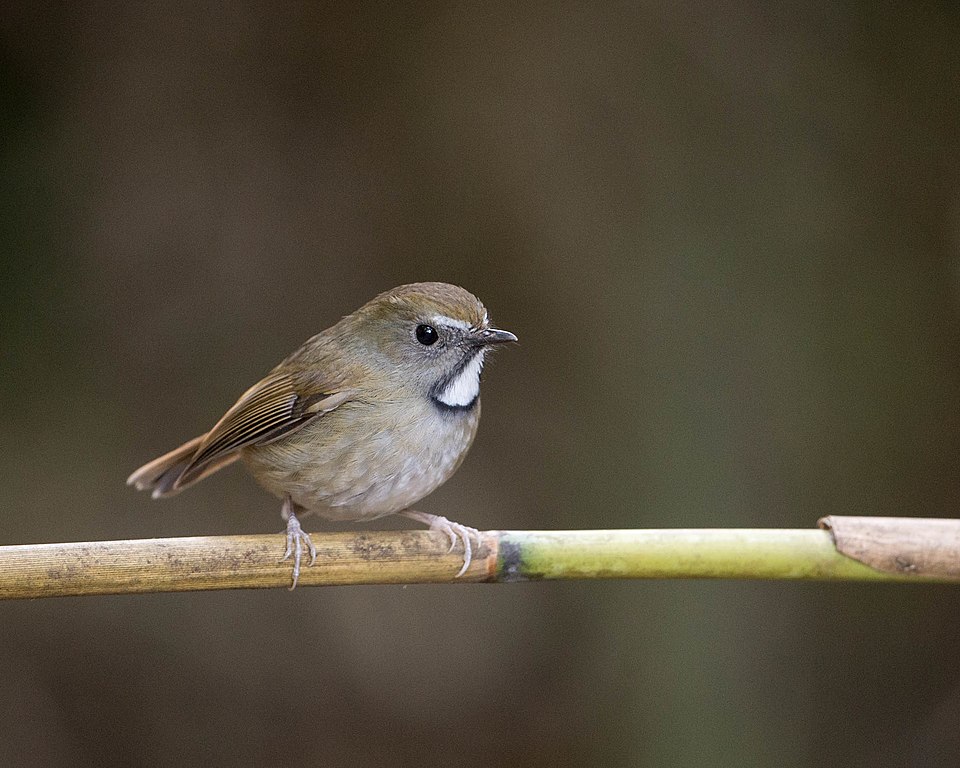
Identifying the Russet-backed Jungle Flycatcher involves noting its distinctive plumage and physical characteristics. Adults typically display a striking russet-brown coloration on their backs, which seamlessly transitions to a lighter, buffy shade on their underparts. This coloration not only provides excellent camouflage in its forested environment but also distinguishes it from other flycatchers in the region. Juvenile birds, however, may exhibit slightly duller plumage, with less pronounced russet tones, which gradually develop as they mature.
Differences between male and female Russet-backed Jungle Flycatchers are subtle, with males often showing slightly more vibrant coloration. Nevertheless, both sexes share similar field marks, such as their compact size and relatively short tails. Their eyes are dark and expressive, contrasting with the lighter plumage of their underparts. In flight, the flycatcher presents a rounded silhouette with rapid, fluttering wingbeats, typical of small passerines.
The Russet-backed Jungle Flycatcher can sometimes be confused with other flycatchers in its range, particularly the Brown-streaked Flycatcher. However, the latter tends to have more streaking on its breast and a less uniform russet coloration. Observing the bird's habitat and behavior, as well as listening for its distinct vocalizations, can aid in accurate identification.
Having trouble telling birds apart? Upload a photo to our bird identification tool for an instant species match.
Russet-backed Jungle Flycatcher Habitat and Range
Preferred Habitat
The Russet-backed Jungle Flycatcher inhabits the dense, humid forests of Southeast Asia, specifically thriving in the moist lowland and montane forests of Borneo, Sumatra, and the Malay Peninsula. These forests, characterized by their rich biodiversity and complex canopy structures, provide the ideal environment for the flycatcher. The dense foliage offers ample cover from predators and a wealth of insects to sustain its diet.
Typically found at elevations ranging from sea level up to 1500 meters, the bird exhibits a preference for lower elevations during the breeding season, where food resources are more abundant. However, during certain seasonal shifts, the flycatcher may migrate to higher altitudes, taking advantage of the cooler temperatures and different insect populations.
In terms of urban versus rural presence, the Russet-backed Jungle Flycatcher remains primarily confined to natural forested areas, rarely venturing into urban environments. Its reliance on densely vegetated habitats restricts its presence to regions that have retained their natural forest cover, underscoring the importance of habitat preservation for this species.
Geographic Range
The Russet-backed Jungle Flycatcher's range is concentrated in Southeast Asia, with a stronghold in the islands of Borneo and Sumatra, as well as the Malay Peninsula. These areas boast the extensive forest cover necessary for the bird's survival and are central to its breeding and foraging activities. Within these regions, the flycatcher is most frequently encountered in areas where tropical moist forests remain largely intact, offering the dense canopy and rich insect life that the species requires.
While the flycatcher is largely sedentary, it does exhibit some altitudinal migration within its range. This movement is typically driven by seasonal changes in temperature and food availability, with the bird ascending to higher elevations during the cooler months and retreating to lower altitudes when conditions become more favorable.
Population density hotspots for the Russet-backed Jungle Flycatcher align with regions that have experienced minimal habitat disturbance. Protected areas and national parks within its range, such as Gunung Mulu National Park in Borneo, provide critical refuges where populations can thrive. The bird's reliance on specific forested ecosystems highlights the importance of conservation efforts aimed at preserving these vital habitats.
Want to know which birds visit your area? Browse our backyard birds by location guides for region-specific species lists.
What Does the Russet-backed Jungle Flycatcher Eat?
The diet of the Russet-backed Jungle Flycatcher primarily consists of insects, which it captures with remarkable agility. As a proficient insectivore, the bird employs a variety of foraging techniques, including sallying from perches to snatch insects mid-air and gleaning them from foliage. This versatile approach allows it to exploit different food resources depending on availability.
During the breeding season, the flycatcher's diet becomes even more insect-centric as it requires increased energy to support nesting activities. The bird targets a range of insect prey, from small flies and beetles to larger moths and caterpillars, adjusting its diet according to what is most plentiful.
Seasonal dietary changes are also observed, with the flycatcher occasionally supplementing its insect diet with small fruits and berries, particularly during periods when insect abundance declines. This opportunistic feeding behavior enables the Russet-backed Jungle Flycatcher to maintain its energy levels year-round, ensuring its survival and reproductive success even in fluctuating environmental conditions.
Russet-backed Jungle Flycatcher Behavior and Social Structure
The Russet-backed Jungle Flycatcher exhibits a range of intriguing behaviors that reflect its adaptation to the dense forest environments it inhabits. Primarily solitary, this bird maintains defined territories, particularly during the breeding season when males become more vocal and defensive. Their territorial calls serve both to attract mates and to ward off rival males, demonstrating the bird's competitive nature.
Courtship displays are subtle yet significant, involving a series of aerial acrobatics and vocalizations that signal readiness to potential mates. Once paired, the flycatchers exhibit cooperative behaviors, with both male and female participating in nest building and caring for offspring. This biparental care is crucial for the survival of their young, as the dense forest environment presents numerous challenges and predators.
The flycatcher is primarily active during the day, with peak activity occurring in the early morning and late afternoon when insect prey is most abundant. During these times, it can be observed actively foraging, moving through the forest with agility and precision. In response to predators, the Russet-backed Jungle Flycatcher relies on its cryptic plumage and the dense foliage of its habitat to evade detection, often freezing motionless to avoid drawing attention.
Flocking behavior is rare in this species, as it tends to prefer solitary or paired activities. However, during non-breeding seasons, it may occasionally join mixed-species flocks, benefiting from increased vigilance and foraging efficiency. This social flexibility highlights the bird's adaptability and resourcefulness in navigating its complex environment.
Russet-backed Jungle Flycatcher Nesting and Reproduction
Nesting for the Russet-backed Jungle Flycatcher is a carefully orchestrated process that involves both male and female cooperation. They typically select nesting sites in well-concealed locations within dense foliage or low shrubs, ensuring protection from predators and environmental elements. The nests themselves are cup-shaped structures, meticulously constructed using a mix of leaves, twigs, and moss, which are bound together with spider silk for added durability and camouflage.
The typical clutch size for this species ranges from two to four eggs, with incubation duties shared between both parents. This cooperative incubation period lasts approximately 14 to 16 days, after which the chicks hatch. Both parents remain actively involved in feeding and protecting the hatchlings, which fledge approximately 12 to 14 days post-hatching.
The Russet-backed Jungle Flycatcher usually attempts one to two broods per year, depending on environmental conditions and food availability. This limited reproductive rate underscores the importance of nest success and the critical role both parents play in the survival of their offspring.
Russet-backed Jungle Flycatcher Sounds and Vocalizations
The primary song of the Russet-backed Jungle Flycatcher is a series of melodious whistles, characterized by a repetitive and rhythmic pattern. This song serves both to establish territory and to attract potential mates, especially during the breeding season. The pitch is relatively high, with a clear and flute-like quality that resonates through the forest canopy.
In addition to its song, the flycatcher produces a variety of call notes that vary in tone and urgency. These calls are used for communication between mates and as alarm signals when potential threats are detected. The alarm call is sharper and more abrupt, effectively alerting other birds to the presence of predators.
The flycatcher's vocalizations contribute to the dawn chorus, a symphony of bird songs that mark the beginning of the day in tropical forests. This behavior not only strengthens pair bonds but also reinforces the flycatcher's presence in its territory. Compared to other forest birds, the Russet-backed Jungle Flycatcher's song is distinctive yet blends harmoniously into the avian acoustics of its environment.
Interesting Facts About the Russet-backed Jungle Flycatcher
- 1The Russet-backed Jungle Flycatcher often builds its nest just a few meters above ground, making it vulnerable to ground predators.
- 2This species is known for its remarkable ability to mimic the calls of other birds, a skill it uses to its advantage in territorial disputes.
- 3Unlike many birds, the Russet-backed Jungle Flycatcher rarely drinks water directly, obtaining most of its moisture from its insect diet.
- 4The bird's russet plumage provides excellent camouflage, blending seamlessly with the forest leaf litter and bark.
- 5Despite its small size, the Russet-backed Jungle Flycatcher exhibits a surprisingly strong territorial instinct, often engaging in aerial chases.
- 6During the breeding season, males can spend up to 80% of daylight hours singing to establish territory and attract mates.
- 7The Russet-backed Jungle Flycatcher is an indicator species, meaning changes in its population can reflect the health of its habitat.
Russet-backed Jungle Flycatcher Conservation Status
The Russet-backed Jungle Flycatcher is currently listed as Least Concern on the IUCN Red List. While its overall population trend is considered stable, the species faces threats primarily from habitat destruction and fragmentation. Deforestation for agriculture and urban development poses significant risks to the dense forest habitats that this species relies on. Conservation efforts focus on preserving and restoring natural habitats, particularly within protected areas and national parks. These efforts include enforcing anti-logging measures and promoting sustainable land use practices that minimize ecological disruption. Historical population changes have been linked to varying degrees of habitat loss, emphasizing the need for ongoing conservation action. Engagement with local communities is crucial for the flycatcher's conservation, as awareness and education can lead to more effective habitat protection. By prioritizing these efforts, the Russet-backed Jungle Flycatcher's habitat can be preserved, ensuring the species' continued existence in its natural range.
Other Muscicapidae Species


Birds Similar to the Russet-backed Jungle Flycatcher
These species are often confused with the Russet-backed Jungle Flycatcher due to similar appearance or overlapping range.
