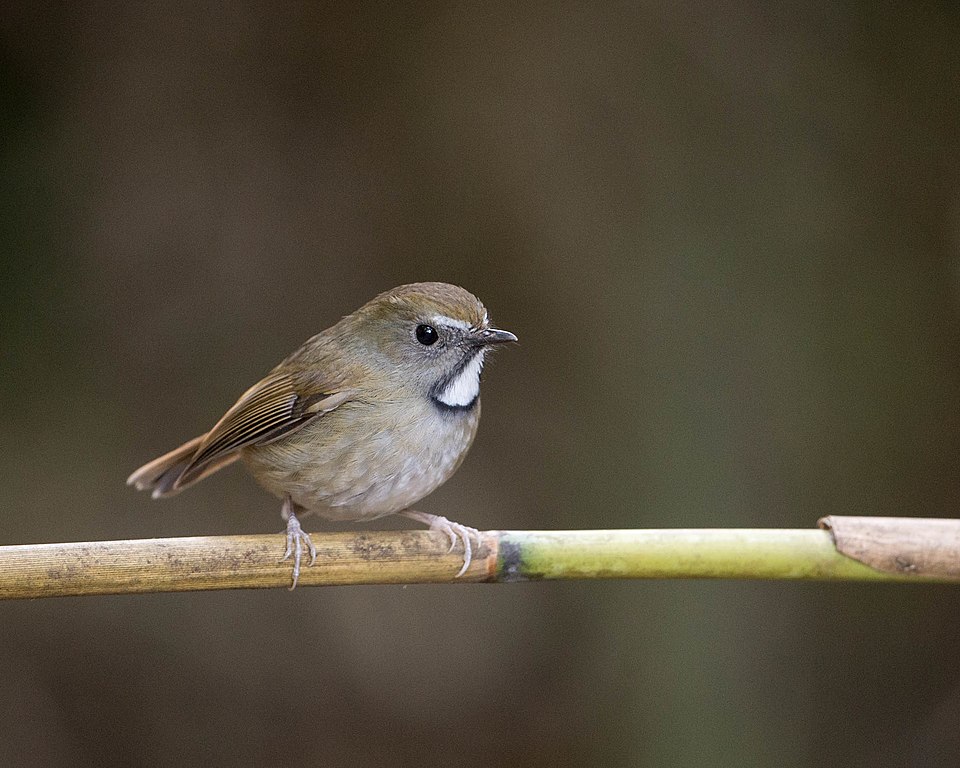
Saxicola syenitica
Saxicola syenitica
Order: Passeriformes / Family: Muscicapidae
About the Saxicola syenitica
The Saxicola syenitica, commonly referred to as the Nile Valley Sunbird, belongs to the Muscicapidae family and is a remarkable sight in the arid landscapes of northeastern Africa. This species primarily inhabits regions in Egypt and northern Sudan, thriving in areas where vegetation is sparse yet diverse enough to support its diet and nesting needs. Its presence is significant in the ecosystem as it aids in insect population control and serves as a prey item for larger avian predators. Known for its adaptability, the Saxicola syenitica can be found in both natural and altered landscapes, including agricultural fields and urban peripheries. During the breeding season, this bird becomes highly territorial, often seen defending its chosen area with persistent calls and aerial displays. In non-breeding periods, it may gather in loose flocks, showcasing a more social disposition. The bird's ecological role extends beyond pest control; it also participates in seed dispersal, contributing to the regeneration of certain plant species. As the seasons shift, the Nile Valley Sunbird alters its foraging and nesting strategies, utilizing different resources available in the changing environment. These adjustments highlight its resilience and ability to thrive in various conditions.
The Saxicola syenitica belongs to the family Muscicapidae, within the order Passeriformes. These birds typically live Information on lifespan is not available..
How to Identify a Saxicola syenitica
Adult Saxicola syenitica individuals exhibit a vibrant orange breast and flanks, with a contrasting dark head and back that feature subtle hints of brown. The wings are dark with white patches, visible in flight, aiding in identification. Juveniles tend to have a more mottled appearance with less pronounced coloration, lacking the full intensity of the adult plumage. Males and females are similar in appearance, though males often display slightly brighter hues, especially during the breeding season. The bird's upright perching posture, often on low shrubs or rocks, is a key characteristic, as is its habit of flicking its tail. In flight, the Saxicola syenitica maintains a compact silhouette with rapid wingbeats, which distinguishes it from similar species such as the African Stonechat. Its small size, coupled with its unique coloration, makes it relatively easy to spot within its range.
Having trouble telling birds apart? Upload a photo to our bird identification tool for an instant species match.
Saxicola syenitica Habitat and Range
Preferred Habitat
Saxicola syenitica primarily inhabits arid and semi-arid regions such as deserts and dry shrublands. It thrives in areas with scattered vegetation that provide adequate cover and feeding opportunities. The bird is often found at elevations ranging from sea level to 1000 meters. Seasonal habitat shifts are minimal, as the bird remains largely sedentary, though it may adjust its range slightly based on food availability. Urban edges and agricultural fields adjacent to natural habitats often support populations, indicating some tolerance to human presence. The bird's preference for open, sunny environments is crucial to its survival, as these areas support the insect populations that constitute its primary food source.
Geographic Range
The breeding range of Saxicola syenitica is confined to northeastern Africa, specifically Egypt and northern Sudan. It is a non-migratory bird, residing year-round in these regions, though it may exhibit minor local movements in response to environmental conditions. Population density hotspots include the Nile Valley and adjacent desert margins, where suitable habitat and resources are abundant. Despite its limited distribution, the bird is relatively common within its range, benefiting from the sparse human population and protected natural areas. Migration corridors are unnecessary for this species, given its sedentary nature.
Want to know which birds visit your area? Browse our backyard birds by location guides for region-specific species lists.
What Does the Saxicola syenitica Eat?
Saxicola syenitica primarily feeds on insects and other small invertebrates, which it captures using a variety of foraging techniques. During the breeding season, its diet shifts to include more protein-rich prey such as beetles and caterpillars to support energy demands. The bird employs a sit-and-wait strategy, perching and scanning the ground for movement before swooping down to catch its prey. It also gleans insects from foliage and occasionally catches flying insects mid-air. Seasonal diet changes are minimal, though the bird may consume some seeds and berries when insects are less abundant. Foraging occurs mostly during the cooler morning and late afternoon hours, reducing exposure to the midday sun.
Saxicola syenitica Behavior and Social Structure
The social structure of Saxicola syenitica includes both solitary and social behaviors, with individuals often seen alone or in pairs during the breeding season. Territorial behavior is pronounced, with males defending their territories through vocalizations and aerial displays. Courtship involves a series of intricate displays, including wing flicking and tail fanning, accompanied by song. Outside the breeding season, the bird may join loose flocks, particularly around resource-rich areas. In response to predators, it employs alarm calls and may mob intruders. Daily activity patterns follow a bimodal schedule, with peaks in foraging activity during the early morning and late afternoon.
Saxicola syenitica Nesting and Reproduction
Saxicola syenitica constructs cup-shaped nests using grasses, twigs, and other plant materials, often lining them with softer substances like feathers. Nests are typically placed low to the ground, concealed within dense vegetation or rocky crevices. The clutch size ranges from 3 to 5 eggs, with an incubation period of approximately 12 to 14 days. Both parents participate in feeding the chicks, which fledge after about two weeks. The species typically raises one or two broods per year, depending on environmental conditions and food availability. Parental roles are fairly equal, with both sexes involved in nurturing and protecting the young.
Saxicola syenitica Sounds and Vocalizations
The primary song of Saxicola syenitica is a series of melodious, high-pitched notes delivered in a rapid, rhythmic sequence. These songs serve to establish territory and attract mates. Call notes are shorter and include sharp 'tseep' sounds used for communication between mates or as alarms. During the dawn chorus, the bird's song becomes more frequent and varied, contributing to the acoustic landscape of its habitat. The alarm calls are harsher, designed to alert other birds to potential threats and often compared to the sound of a squeaky wheel.
Interesting Facts About the Saxicola syenitica
- 1The Saxicola syenitica is named after the Syenite rocks found in its native Egypt, highlighting its affinity for rocky habitats.
- 2Despite its limited range, the Nile Valley Sunbird is a resilient species, adapting to both natural and semi-urban environments.
- 3The bird's vibrant orange breast is a striking feature, providing a stark contrast against the often drab desert landscapes.
- 4Saxicola syenitica plays a crucial role in controlling insect populations, benefiting both natural and agricultural ecosystems.
- 5During courtship, males perform elaborate displays, including song and flight maneuvers, to attract females.
- 6The species' sedentary nature means that it does not migrate, remaining within its range throughout the year.
- 7The Nile Valley Sunbird's song is a key identifier, with its rapid, rhythmic notes echoing through its arid habitat.
Saxicola syenitica Conservation Status
The Saxicola syenitica is currently classified as Least Concern by the IUCN, with a stable population trend. Primary threats include habitat degradation due to agricultural expansion and climate change impacts. Conservation efforts focus on habitat preservation and monitoring population trends to ensure long-term stability. Historical population changes have been minimal, with the species maintaining a stable presence in its limited range. Continued protection of key habitats is essential for its conservation.