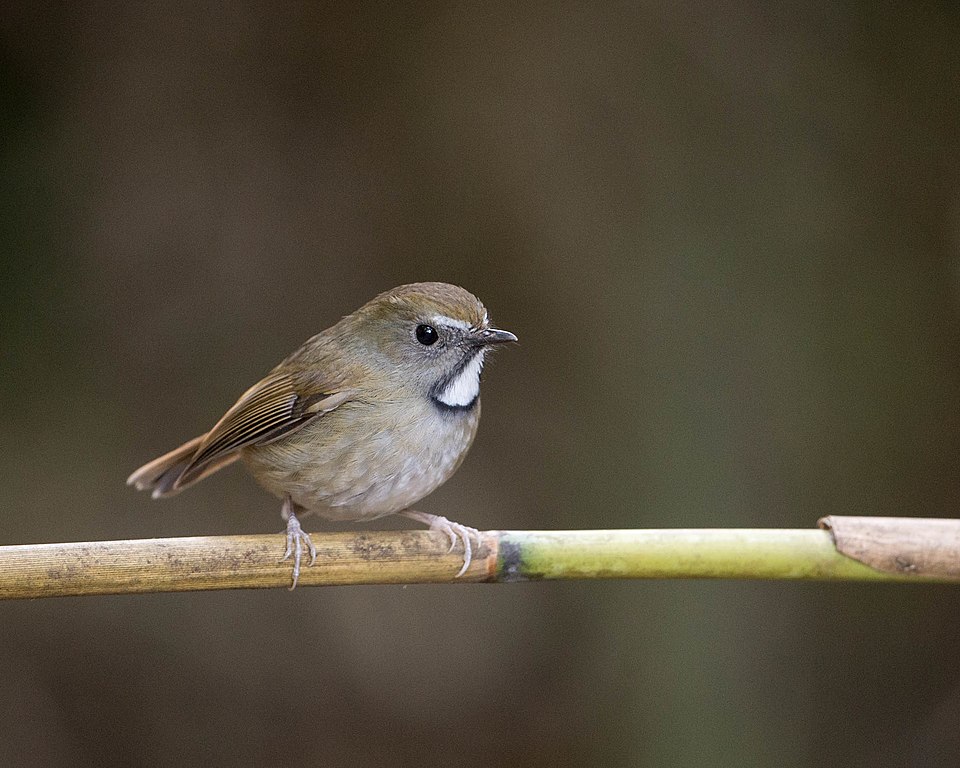
Saxicoloides fulicatus
Saxicoloides fulicatus
Order: Passeriformes / Family: Muscicapidae

Wikimedia Commons
About the Saxicoloides fulicatus
The Indian Robin, Saxicoloides fulicatus, is a small passerine bird belonging to the Muscicapidae family. This species is widely recognized across the Indian subcontinent for its adaptability to various habitats, including urban environments. Adult males display a striking combination of glossy black plumage with chestnut undertones on the vent, while females and juveniles exhibit more subdued brown tones, making them less conspicuous. The Indian Robin plays a significant ecological role by controlling insect populations through its diet, which primarily consists of small invertebrates.
The Indian Robin thrives in diverse environments ranging from open scrublands and agricultural fields to the gardens and parks of bustling cities. It is a species that exemplifies adaptability, often seen perched conspicuously on fences and low trees, energetically singing or foraging. Its presence in urban areas underscores its remarkable ability to live alongside humans. During the breeding season, which typically spans from March to September, the Indian Robin becomes particularly vocal, utilizing its song to establish and defend territories.
Ecologically, the Indian Robin contributes to the maintenance of insect populations, thus playing a critical role in pest control. Its interaction with the environment extends beyond feeding, as it also aids in seed dispersal, contributing to plant biodiversity. This bird's resilience and adaptability not only highlight its ecological importance but also its potential as an indicator species for environmental changes in its region. The Indian Robin's widespread presence across its range, including India, Pakistan, Nepal, and Bangladesh, makes it a familiar sight to many, often serving as a cheerful companion in both rural and urban settings.
The Saxicoloides fulicatus belongs to the family Muscicapidae, within the order Passeriformes. These birds typically live average lifespan is 4-5 years, with a maximum recorded of 7 years..
How to Identify a Saxicoloides fulicatus
The Indian Robin is a small bird, measuring about 15-18 cm in length, with a wingspan ranging from 18-20 cm. Males are distinctively glossy black with a noticeable chestnut vent and undertail coverts. Their plumage can exhibit a slight bluish sheen under certain light conditions. Females and juveniles are primarily brown, lacking the male's vibrant coloration, which helps them avoid predators by blending into their surroundings.
A key identification feature of the Indian Robin is its habit of cocking its tail upright, a behavior often accompanied by a flick of the wings. This posture is frequently observed when the bird is on alert or displaying within its territory. Juveniles resemble females but may show some chestnut coloration as they mature.
The Indian Robin can often be mistaken for other small Muscicapidae species, such as the Oriental Magpie-Robin. However, the Indian Robin's smaller size and the distinct chestnut vent in males help differentiate it. In flight, its silhouette is compact, with rapid wingbeats and a tendency to fly short distances before alighting.
Having trouble telling birds apart? Upload a photo to our bird identification tool for an instant species match.
Saxicoloides fulicatus Habitat and Range
Preferred Habitat
The Indian Robin inhabits a variety of environments, ranging from open scrubland and dry deciduous forests to cultivated lands and urban gardens. It thrives in areas up to 2000 meters in elevation, often found in regions where open ground and scattered bushes provide ideal foraging and nesting conditions. In urban settings, the bird is frequently seen in parks, gardens, and on rooftops.
Seasonal habitat shifts are minimal due to its non-migratory nature. However, during the breeding season, Indian Robins may be more commonly observed in areas with denser vegetation, which provides adequate cover and nesting sites. They are less frequent in densely forested areas, preferring open spaces where they can spot and capture prey easily.
Geographic Range
The Indian Robin is predominantly found throughout the Indian subcontinent. Its range extends across India, Bangladesh, Pakistan, Nepal, and parts of Sri Lanka. It is widely distributed across these areas, inhabiting both rural and urban landscapes.
This species does not undergo long migratory journeys, as it is largely sedentary. However, some altitudinal movements might occur, especially in response to seasonal changes in temperature and food availability. Population density hotspots include the semi-arid regions of Rajasthan, the Deccan Plateau, and the Gangetic plains, where favorable conditions support large numbers of these birds.
Want to know which birds visit your area? Browse our backyard birds by location guides for region-specific species lists.
What Does the Saxicoloides fulicatus Eat?
The Indian Robin primarily feeds on insects and other small invertebrates, a diet that includes ants, termites, beetles, and caterpillars. This insectivorous diet plays a crucial role in controlling pest populations, especially in agricultural areas.
Seasonal variations in diet occur as the availability of food sources changes. During the monsoon season, when insect activity peaks, Indian Robins have ample access to a variety of prey. Their foraging technique involves hopping on the ground or low vegetation, actively searching and pouncing on prey with precision. Occasionally, they may also consume small fruits and seeds, particularly during periods of low insect availability.
Saxicoloides fulicatus Behavior and Social Structure
Indian Robins are highly active and exhibit a range of behaviors that reflect their adaptability and social nature. They often establish territories, with males prominently singing from elevated perches to ward off rivals and attract mates. Their song is a mix of melodious and harsh notes, often delivered from a conspicuous perch.
During courtship, males perform displays that include wing-flicking and tail-fanning to impress females. The species is generally seen alone or in pairs, though they may form loose flocks during non-breeding periods. Their response to predators includes a series of sharp alarm calls and evasive maneuvers, often retreating into dense cover. Indian Robins are diurnal, with peak activity during the cooler parts of the day, such as early morning and late afternoon.
Saxicoloides fulicatus Nesting and Reproduction
The Indian Robin prefers to nest in cavities or crevices, often using spaces in walls, tree hollows, or abandoned burrows. Nests are constructed with grass, leaves, and feathers, creating a small, cup-shaped structure. The female typically lays a clutch of 2-4 eggs, which she incubates for about 12-14 days.
Both parents participate in feeding the chicks, which fledge approximately 10-12 days after hatching. The species may raise multiple broods per year, especially in regions with prolonged favorable conditions. Nesting success is influenced by factors such as predation and weather conditions, which can impact the availability of food and shelter.
Saxicoloides fulicatus Sounds and Vocalizations
The Indian Robin's primary song is a varied sequence of melodious phrases interspersed with harsher, chat-like notes. The song, often delivered from a prominent perch, serves to establish territory and attract mates. Its call notes are sharp and metallic, frequently used as alarm calls to warn of potential threats.
During the dawn chorus, Indian Robins are particularly vocal, taking advantage of the stillness of early morning to broadcast their presence. The song's rhythm and quality resemble a blend of whistles and chattering, making it a distinctive soundscape element in its habitat.
Interesting Facts About the Saxicoloides fulicatus
- 1Indian Robins are known to mimic the calls of other bird species, showcasing their vocal versatility.
- 2Despite their small size, Indian Robins are territorial and will aggressively defend their area from intruders.
- 3The Indian Robin's cocked tail is not just for display; it serves as a balance aid during rapid movements.
- 4These birds are known to take dust baths, a behavior that helps them maintain feather health and remove parasites.
- 5Indian Robins have been observed using man-made structures, such as building crevices, for nesting sites.
- 6During courtship displays, males may present food to females, reinforcing pair bonds and demonstrating their provisioning ability.
- 7Indian Robins are one of the few species that have successfully adapted to city life, thriving in urban parks and gardens.
Saxicoloides fulicatus Conservation Status
The Indian Robin holds a status of Least Concern according to the IUCN Red List, with a stable population trend across its range. Its adaptability to various habitats, including urban environments, contributes to its widespread presence. However, habitat destruction and pollution pose potential threats to local populations. Conservation efforts focus on monitoring population trends and preserving key habitats. Historically, the Indian Robin has shown resilience to environmental changes, yet ongoing habitat loss remains a concern. Continued conservation initiatives aim to mitigate these threats by promoting habitat restoration and awareness of the species' ecological value.