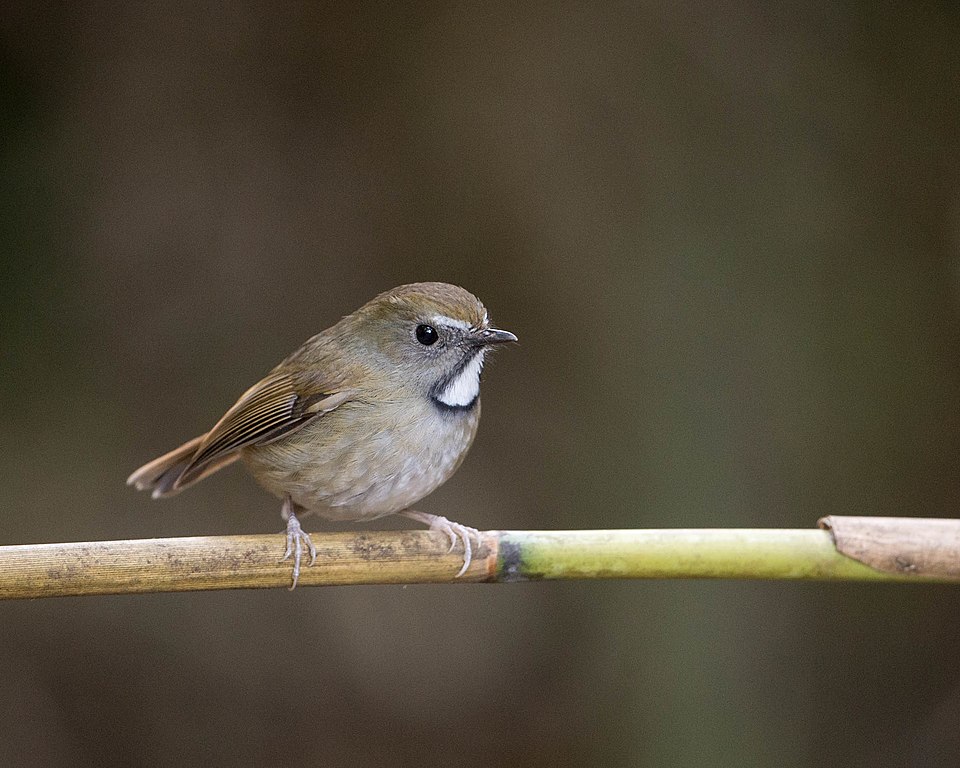
Semicollared Flycatcher
Ficedula semitorquata
Order: Passeriformes / Family: Muscicapidae

Wikimedia Commons
About the Semicollared Flycatcher
The Semicollared Flycatcher, Ficedula semitorquata, is a small passerine bird belonging to the family Muscicapidae. It is renowned for its striking plumage and dynamic behavior, captivating birdwatchers and naturalists alike. This species plays a vital role in its ecosystem as an insectivore, helping control insect populations in its native habitats. Found primarily in southeastern Europe and parts of the Middle East, the Semicollared Flycatcher thrives in deciduous and mixed forests, particularly those with abundant oak and beech trees. The bird's presence is a significant indicator of healthy woodland ecosystems.
During the breeding season, the Semicollared Flycatcher occupies areas extending from the Balkans through Turkey and into the Caucasus region. The bird prefers mature deciduous forests where it can find ample nesting sites and rich food supplies. In winter, it migrates south to tropical and subtropical regions in Africa, mainly in the eastern parts, including countries like Tanzania and Kenya. This migratory pattern highlights its adaptability to varying climates and its role as a connector of ecosystems across continents.
Ecologically, the Semicollared Flycatcher contributes to the balance of its environment by managing insect populations. Its diet consists mainly of flying insects, which it adeptly catches in mid-air. The bird's presence in forest ecosystems also supports biodiversity, as it occasionally disperses seeds and contributes to the regeneration of woodland areas. Its charismatic appearance and energetic behavior make it a favorite subject of study among ornithologists and bird enthusiasts.
The Semicollared Flycatcher belongs to the family Muscicapidae, within the order Passeriformes. These birds typically live average 3-6 years, with a maximum recorded of 9 years.
How to Identify a Semicollared Flycatcher
The Semicollared Flycatcher is a medium-sized bird with distinct plumage that aids in its identification. Adult males are particularly striking, featuring a glossy black upper body contrasted with a bright white underside. A notable feature is the partial white collar that encircles the nape, giving the species its name. Females and juveniles exhibit more subdued coloration, with brownish-gray upper parts and a paler belly, lacking the stark contrast seen in males. One can also observe a white wing patch in both sexes, which becomes visible during flight.
The bird's silhouette in flight is characterized by rapid wingbeats and agile maneuvers, typical of flycatchers. When perched, the Semicollared Flycatcher often adopts an upright posture, scanning for prey with keen eyes. This posture, combined with its distinctive plumage, makes it easier to differentiate from similar species such as the Collared Flycatcher and Pied Flycatcher, which may share overlapping ranges.
Juveniles can sometimes be confused with other members of the Ficedula genus due to their less defined markings. However, the subtle hints of the adult male's white collar begin to develop as they mature, aiding in correct identification. Observing these birds closely, especially during their breeding season, provides the best opportunity to note these distinguishing characteristics.
Having trouble telling birds apart? Upload a photo to our bird identification tool for an instant species match.
Semicollared Flycatcher Habitat and Range
Preferred Habitat
The Semicollared Flycatcher favors deciduous and mixed forests, particularly those dominated by oak and beech trees. It thrives in mature woodlands with dense canopy cover, providing ample foraging and nesting opportunities. These birds are mainly found at elevations ranging from lowland forests to montane regions, with a preference for humid and temperate climates.
During the breeding season, they are typically found in undisturbed forests across southeastern Europe and parts of the Middle East. The presence of natural cavities or old woodpecker holes is crucial for nesting, making mature forests an ideal habitat. Despite their preference for rural settings, these birds can occasionally be seen in large parklands or urban greenspaces, provided there is sufficient tree cover.
In winter, their habitat preferences shift to the savannas and open woodlands of eastern Africa. Here, they adapt to the drier climate while maintaining a preference for areas with scattered trees that facilitate insect hunting. This seasonal habitat shift underscores their adaptability to diverse environments across their migratory range.
Geographic Range
The breeding range of the Semicollared Flycatcher extends across southeastern Europe and the Middle East, including countries such as Bulgaria, Greece, Turkey, and the Caucasus region. These areas provide the dense forest environments necessary for nesting and breeding. During migration, these flycatchers traverse various countries, including regions across the Mediterranean and the Middle East, before reaching their wintering grounds.
In winter, the Semicollared Flycatcher migrates to eastern Africa, primarily occupying countries such as Kenya, Tanzania, and Uganda. These regions offer suitable habitats during the non-breeding season, with abundant food resources to sustain them through the winter months.
The bird is less commonly observed in central Europe, but it is occasionally spotted during migration as it passes through Italy, Croatia, and other Mediterranean locations. Population density tends to be higher in areas with extensive mature forest cover, which supports their breeding and feeding needs. Conservation efforts in these regions focus on maintaining healthy forest ecosystems to support their populations.
Want to know which birds visit your area? Browse our backyard birds by location guides for region-specific species lists.
What Does the Semicollared Flycatcher Eat?
The Semicollared Flycatcher primarily feeds on a variety of insects, which it skillfully captures in flight. Its diet includes flies, beetles, moths, and caterpillars, with a preference for flying insects that it catches during aerial maneuvers. This diet shifts slightly with the seasons, as different insect populations become available.
During the breeding season, the flycatcher intensifies its feeding efforts to support the nutritional needs of its young. It becomes particularly active during the early morning and late afternoon, when insect activity peaks. The bird employs a sit-and-wait strategy, perching silently before darting out to catch passing prey.
In winter, while residing in Africa, the Semicollared Flycatcher adapts to the local insect fauna, continuing to rely heavily on aerial insects, supplemented occasionally by small fruits and berries when insects are scarce. This dietary flexibility aids in its survival across diverse habitats and seasons, emphasizing its role as a crucial insect predator in its ecosystems.
Semicollared Flycatcher Behavior and Social Structure
The Semicollared Flycatcher exhibits fascinating behaviors that reflect its role as a highly skilled aerial insectivore. It is typically solitary or found in pairs during the breeding season, displaying territorial behaviors to defend feeding and nesting sites. Males are known for their courtship displays, which involve singing and performing aerial acrobatics to attract mates and establish territory.
Outside the breeding season, these flycatchers become more social, sometimes forming loose flocks with other flycatcher species during migration. This flocking behavior reduces the risk of predation and increases foraging efficiency as they traverse long distances.
Predator awareness is heightened, with alarm calls sounding when potential threats, such as raptors, are near. Daily activity peaks in the early morning and late afternoon, correlating with the availability of flying insects. During these times, the Semicollared Flycatcher can be observed actively hunting, showcasing its agility and precision in flight.
Semicollared Flycatcher Nesting and Reproduction
The nesting habits of the Semicollared Flycatcher are closely tied to its preference for mature forests. It typically builds its nest in tree cavities, often utilizing abandoned woodpecker holes. The choice of nesting site is strategic, providing protection from predators and harsh weather.
Nests are constructed using a variety of materials, including grasses, moss, and feathers, creating a soft lining for the eggs. The female primarily undertakes nest building, while both parents participate in feeding and caring for the young. A typical clutch consists of 4-6 eggs, which are incubated for about 12-14 days.
After hatching, the chicks remain in the nest for approximately two weeks, during which time they are fed a high-protein diet of insects. Both parents are involved in feeding and protecting the chicks until they fledge. The Semicollared Flycatcher usually raises one brood per year, although in optimal conditions, a second brood is possible.
Semicollared Flycatcher Sounds and Vocalizations
The primary song of the Semicollared Flycatcher is a melodious series of whistles and trills, often described as a sweet, repetitive tune that carries through the forest. This song plays a crucial role in territory establishment and mate attraction during the breeding season.
In addition to its song, the bird emits sharp call notes used for communication between mates and as alarm signals to warn of predators. These calls are quick, sharp, and easily distinguishable from the more melodic song.
During the dawn chorus, the Semicollared Flycatcher contributes its voice to the symphony of the forest, its song serving as both a declaration of presence and a method to ward off intruders. The clear, flute-like quality of its song distinguishes it from more harsh or mechanical-sounding bird calls.
Interesting Facts About the Semicollared Flycatcher
- 1The Semicollared Flycatcher can catch insects in mid-air with remarkable agility, often performing complex aerial maneuvers.
- 2Male Semicollared Flycatchers have a striking black and white plumage, while females and juveniles are more subdued.
- 3These birds migrate over 3,000 kilometers annually between their breeding and wintering grounds.
- 4Despite their small size, Semicollared Flycatchers play a significant role in controlling insect populations in forests.
- 5During courtship, males display vibrant plumage and perform aerial acrobatics to attract females.
- 6The species is known to utilize old woodpecker holes for nesting, highlighting the interconnectedness of forest species.
- 7The Semicollared Flycatcher's song is often compared to a flutist's tune, melodious and pleasing to the ear.
Semicollared Flycatcher Conservation Status
The Semicollared Flycatcher is currently listed as Least Concern by the IUCN, although its populations are subject to fluctuations due to habitat loss and fragmentation. Deforestation, particularly in breeding areas, poses a significant threat to its habitat. Conservation efforts focus on preserving mature forest ecosystems and promoting sustainable forestry practices in its breeding range. These efforts are crucial for maintaining stable populations and ensuring the availability of suitable nesting sites. Historically, the population trends of the Semicollared Flycatcher have been stable, but ongoing habitat destruction could pose challenges. Conservationists emphasize the importance of monitoring populations to prevent future declines.