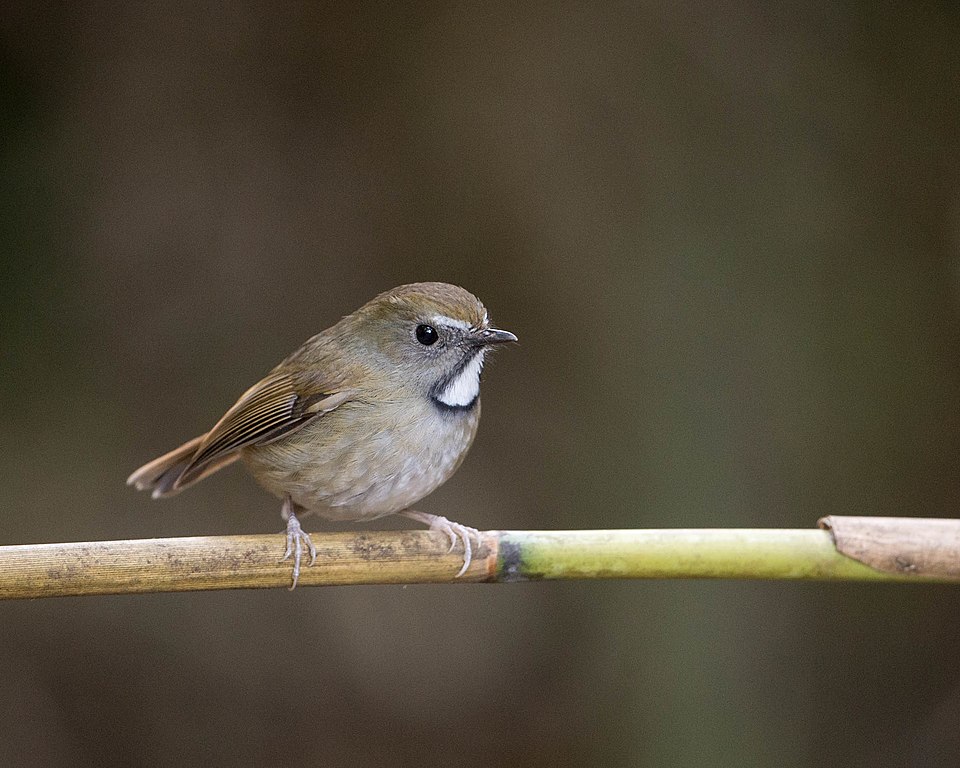
Siberian Stonechat
Saxicola maurus
Order: Passeriformes / Family: Muscicapidae

Wikimedia Commons
About the Siberian Stonechat
The Siberian Stonechat (Saxicola maurus) is a small, charismatic bird belonging to the family Muscicapidae. It is a widespread species found across a diverse range of habitats in Asia and Europe. The bird's striking appearance, with its black head, white collar, and rich orange-buff breast, makes it a favorite among birdwatchers. Its ecological roles include insect control, as it feeds primarily on small invertebrates, and seed dispersal, contributing to the health of its ecosystems.
This species inhabits open country with low vegetation, such as grasslands, steppes, and agricultural fields. During the breeding season, it favors areas with a mix of shrubs and open ground, providing both nesting sites and foraging opportunities. The Siberian Stonechat is known for its adaptability, often occupying marginal habitats like roadsides and railway embankments. Its presence can indicate healthy ecosystems, as it relies on a balanced mix of flora and fauna for survival.
The Siberian Stonechat plays a crucial role in the food web. By preying on insects, it helps regulate pest populations, benefiting agricultural interests. The bird's seasonal movements also reflect broader ecological changes, as it migrates in response to food availability and climatic conditions. Understanding the Siberian Stonechat's behavior and habitat preferences is vital for conservation efforts, especially in regions experiencing rapid environmental change. Its adaptability, however, gives hope for its resilience in the face of such challenges.
The Siberian Stonechat belongs to the family Muscicapidae, within the order Passeriformes. These birds typically live average 3-6 years with a max recorded of 8 years.
How to Identify a Siberian Stonechat
The Siberian Stonechat is a compact bird, measuring approximately 11.5-13 cm in length, with a wingspan of 18-21 cm. Males in breeding plumage are easily recognizable by their black head, contrasting with a white collar and a rich orange-buff breast. Their back is black with pale streaks, and they have a distinctive white rump and wing patches that are visible in flight. Females are more subdued, with brownish upperparts, a less distinct white collar, and a paler orange-buff breast. Juveniles resemble females but with more streaking and mottling on the upperparts.
In non-breeding plumage, males lose the stark contrast, with the head becoming more brownish, and the overall coloration becomes duller. The differences in plumage between sexes and age classes can lead to confusion with similar species, such as the European Stonechat (Saxicola rubicola). However, the latter typically has a darker and less vibrant breast. In flight, the Siberian Stonechat displays a distinctive silhouette with a short tail and rapid, fluttering wingbeats.
When perched, the Siberian Stonechat often sits upright on prominent vantage points, such as fences, bushes, or rocks, scanning for prey. This posture, combined with its frequent flicking of the tail and wings, helps distinguish it from similar species. Its vocalizations, a series of sharp, metallic calls, also aid in identification.
Having trouble telling birds apart? Upload a photo to our bird identification tool for an instant species match.
Siberian Stonechat Habitat and Range
Preferred Habitat
The Siberian Stonechat thrives in open habitats with low, dense vegetation. It is commonly found in grasslands, steppes, and agricultural fields. This bird prefers areas with a mix of shrubs and open ground, ideal for both nesting and foraging. During migration, it can be seen in a variety of environments, including wet meadows, reedbeds, and urban fringes.
In terms of elevation, the Siberian Stonechat is adaptable, inhabiting areas from sea level to mountainous regions, with sightings recorded up to 3,000 meters. Seasonal habitat shifts occur as the bird moves from breeding grounds in the northern regions to wintering sites in southern areas. While it primarily occupies rural landscapes, the Siberian Stonechat can occasionally be found in urban settings, especially during migration when suitable habitats may be limited.
The bird's preference for open, grassy areas makes it a valuable indicator of habitat health, as it relies on a diverse mosaic of plant species and invertebrates. Conservation efforts should focus on preserving these habitats to maintain healthy populations.
Geographic Range
The Siberian Stonechat's breeding range extends across northern Asia, from eastern Europe through Siberia to the Russian Far East. It occupies a broad swath of territory, including countries like Russia, Kazakhstan, Mongolia, and parts of China. During the breeding season, it is commonly found in temperate regions, favoring open landscapes with scattered shrubs.
In winter, the Siberian Stonechat migrates south to warmer climates. Its wintering range includes parts of South Asia, such as India, Pakistan, Bangladesh, and Southeast Asia, extending to southern China. Migration corridors often follow major river valleys and coastal areas, providing crucial stopover sites during long-distance travel.
Populations are denser in regions where suitable habitats are abundant, such as the steppes of Kazakhstan and the grasslands of northern China. The bird's adaptability to different environments allows it to occupy a variety of regions, although it is less common in densely forested areas. Understanding its range is essential for monitoring population trends and implementing conservation strategies.
Want to know which birds visit your area? Browse our backyard birds by location guides for region-specific species lists.
What Does the Siberian Stonechat Eat?
The Siberian Stonechat primarily feeds on insects and other small invertebrates, playing a vital role in controlling these populations. Its diet consists mainly of beetles, flies, caterpillars, and grasshoppers, which it actively hunts in open areas. The bird employs a sit-and-wait strategy, perching on elevated vantage points to spot prey before swooping down to capture it.
During the breeding season, the Siberian Stonechat's diet is rich in protein, supporting the increased energy demands of nesting and rearing chicks. As seasons change, its diet may shift to include more seeds and small berries, especially in times when insects are scarce. This dietary flexibility helps the bird adapt to varying environmental conditions and food availability.
Foraging usually occurs during daylight hours, with peak activity in the early morning and late afternoon. The bird's sharp eyesight and quick reflexes make it an effective hunter, capable of catching insects in mid-air or snatching them from the ground. Its feeding habits contribute to the ecological balance by reducing pest populations and facilitating plant reproduction through seed dispersal.
Siberian Stonechat Behavior and Social Structure
The Siberian Stonechat exhibits a range of behaviors that reflect its adaptability and ecological niche. It is generally solitary or found in pairs during the breeding season, with males fiercely defending territories through song and displays. These territories are typically small, encompassing the bird's nesting site and nearby foraging areas.
Courtship displays involve a series of aerial acrobatics and vocalizations, with males showcasing their plumage to attract females. Once paired, the males and females work together to build nests and rear their young. Outside the breeding season, the Siberian Stonechat may form loose flocks, especially during migration and in wintering areas, where food resources are abundant.
The bird's daily activity pattern includes periods of foraging interspersed with rest and preening. It remains vigilant for predators, often giving sharp, metallic alarm calls to warn of danger. Common predators include birds of prey and terrestrial mammals, though the stonechat's agile flight and keen eyesight help it evade capture. The Siberian Stonechat's behavior reflects a balance between competition for resources and collaboration during breeding, showcasing its adaptability to different environmental pressures.
Siberian Stonechat Nesting and Reproduction
Siberian Stonechats build cup-shaped nests, typically low to the ground among dense vegetation or shrubs. Preferred nesting materials include grasses, leaves, and stems, sometimes lined with softer materials like feathers or animal hair to provide insulation. This choice of nesting location offers protection from predators and harsh weather conditions.
The female lays a clutch of 4-6 eggs, which she incubates for approximately 11-14 days. During this period, the male often provides food for the female, ensuring she has enough energy to maintain optimal incubation temperatures. Once hatched, the chicks remain in the nest for about 12-14 days, during which both parents share the responsibilities of feeding and protecting the young.
Siberian Stonechats typically have one to two broods per year, depending on environmental conditions and food availability. The fledging timeline aligns with periods of peak insect abundance, ensuring that the growing chicks have ample food resources. Parental care continues for a short period after fledging, with the young birds gradually learning to forage and become independent. This nesting strategy highlights the species' adaptability and emphasis on maximizing reproductive success.
Siberian Stonechat Sounds and Vocalizations
The Siberian Stonechat's primary song consists of a series of sharp, metallic notes that can be likened to the sound of clinking glass. This song serves as a territorial and courtship display, often delivered from a prominent perch. The rhythm is a repetitive series of short phrases, varying slightly between individuals.
In addition to its song, the Siberian Stonechat produces a variety of calls, including a distinctive 'tac-tac' alarm call used to alert others to the presence of predators. These calls are typically louder and more urgent, serving as an effective warning system.
During the dawn chorus, males are particularly vocal, using their songs to establish territory boundaries and attract mates. The Siberian Stonechat's vocal repertoire is an essential tool for communication, playing a critical role in its social behaviors and interactions with conspecifics.
Interesting Facts About the Siberian Stonechat
- 1The Siberian Stonechat migrates over 3,000 kilometers from its breeding grounds in northern Asia to wintering sites in South Asia.
- 2Male Siberian Stonechats use sunlit perches to enhance their plumage displays during courtship, maximizing their visibility to potential mates.
- 3Despite their small size, Siberian Stonechats are aggressive defenders of their territories, often engaging in aerial skirmishes with intruders.
- 4The species name 'maurus' is derived from the Latin word for 'dark,' referencing the male's black head and upper parts.
- 5Siberian Stonechats are known to hybridize with closely related species, such as the European Stonechat, in overlapping regions.
- 6Their ability to thrive in a variety of habitats makes Siberian Stonechats valuable indicators of ecosystem health and changes.
- 7During migration, Siberian Stonechats can travel up to 150 kilometers per day, using favorable winds to aid their journey.
Siberian Stonechat Conservation Status
The Siberian Stonechat is currently classified as Least Concern by the IUCN, with stable population trends observed across its range. Despite this relatively secure status, the species faces threats from habitat loss and degradation, particularly in its breeding and wintering grounds. Agricultural expansion, land-use changes, and urban development pose significant challenges to the preservation of suitable habitats. Conservation efforts focus on maintaining and restoring open landscapes, promoting sustainable land management practices that benefit both the Siberian Stonechat and other native fauna. Historical population fluctuations have occurred in response to environmental changes and human activities, but the bird's adaptability and wide distribution have contributed to its resilience. Ongoing monitoring and research are essential to ensure long-term stability, particularly in areas where rapid environmental change may impact local populations.