
Slaty-blue Flycatcher
Ficedula tricolor
Order: Passeriformes / Family: Muscicapidae

Wikimedia Commons
About the Slaty-blue Flycatcher
The Slaty-blue Flycatcher (Ficedula tricolor) is a captivating species belonging to the family Muscicapidae. This small passerine bird is renowned for its striking slate-blue plumage, which provides a vivid contrast against the verdant foliage of its native habitats. Primarily found in the forests and wooded areas of South and Southeast Asia, the Slaty-blue Flycatcher inhabits regions ranging from the Himalayan foothills to the lush tropical forests of Indonesia and Malaysia. Its presence is most prominent in the eastern Himalayas, including countries such as India, Bhutan, and Nepal. The species plays an important ecological role as an insectivore, helping to control insect populations within its environment. The Slaty-blue Flycatcher is an active participant in the seasonal rhythms of its habitat. During the breeding season, which typically occurs from April to July, the bird engages in intricate courtship displays and vocalizations to attract mates and establish territories. Outside of this period, the Slaty-blue Flycatcher may engage in short-distance altitudinal migrations, moving from higher elevations during the warmer months to lower elevations in winter. This behavior enables the species to exploit different ecological niches and food availability throughout the year. Additionally, the flycatcher's presence in a variety of forest types, from subtropical to temperate, underscores its adaptability and resilience in diverse environments. The Slaty-blue Flycatcher’s ecological significance extends beyond its role as a predator of insects; it also serves as a prey species for higher trophic level predators, thereby contributing to the forest food web. Its vocalizations, while not as complex as those of some other songbirds, nonetheless add to the rich acoustic tapestry of its habitat, signaling its presence to both potential mates and rivals. Overall, the Slaty-blue Flycatcher is a vital component of the forest ecosystems it inhabits, and its continued presence is indicative of the health of these environments.
The Slaty-blue Flycatcher belongs to the family Muscicapidae, within the order Passeriformes. These birds typically live typically 5-7 years, with a maximum of 10 years recorded..
How to Identify a Slaty-blue Flycatcher
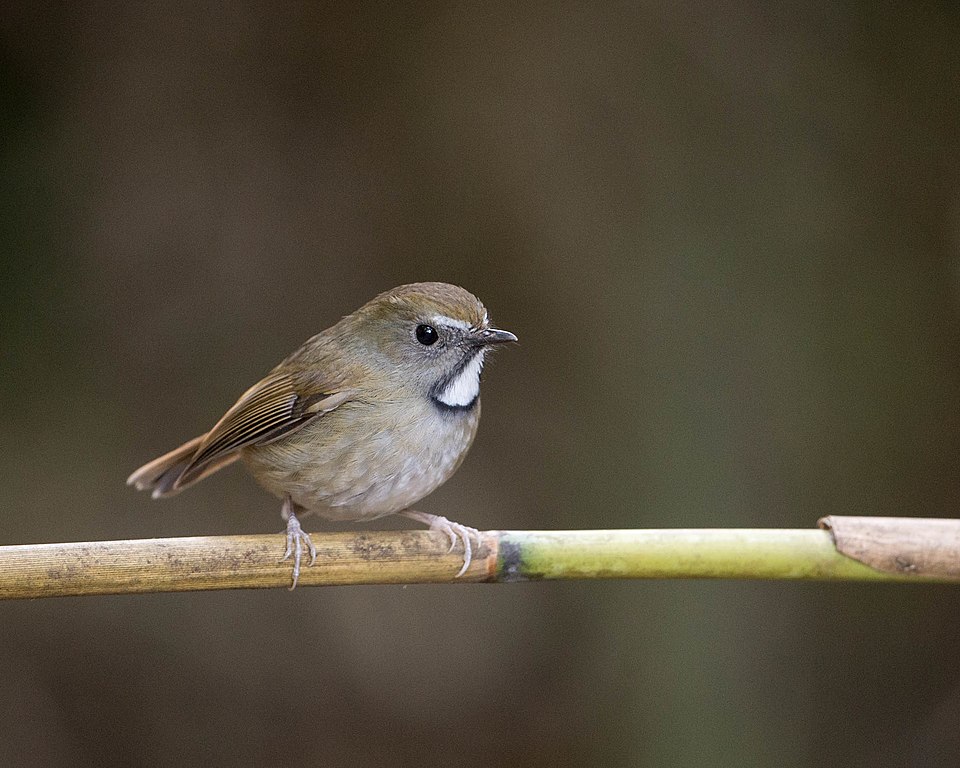
The adult Slaty-blue Flycatcher displays a striking slate-blue coloration on its upperparts, which is complemented by a paler blue or whitish underside. The male Slaty-blue Flycatcher is particularly resplendent, with more vivid and saturated blue tones compared to the female. In contrast, females tend to exhibit a duller, more subdued coloration, with greyish hues and less pronounced blue tones. Juvenile Slaty-blue Flycatchers can be distinguished by their overall brownish plumage, which gradually transitions into the characteristic slate-blue of adults as they mature. This gradual change in plumage coloration can sometimes lead to confusion with other similar species, such as the Verditer Flycatcher or the Tickell's Blue Flycatcher. However, the Slaty-blue Flycatcher can be reliably identified by its unique combination of slate-blue upperparts and pale underparts. In flight, the Slaty-blue Flycatcher maintains a compact silhouette, characterized by quick, direct wingbeats and a slightly undulating flight pattern. When perched, the flycatcher often assumes an upright posture, with its tail slightly fanned and wings tucked close to its body, allowing for easy observation of its distinctive coloration and pattern.
Having trouble telling birds apart? Upload a photo to our bird identification tool for an instant species match.
Slaty-blue Flycatcher Habitat and Range
Preferred Habitat
The Slaty-blue Flycatcher primarily inhabits forested regions, favoring subtropical and temperate forests with dense undergrowth. It is commonly found in areas with a rich understory, providing ample foraging opportunities. This species thrives at elevations ranging from 600 to 3000 meters, often occurring in the mid-elevation montane forests of the Himalayas. Its preference for dense vegetation makes it a common sight in the forest edges and clearings where it can effectively hunt for insects. Seasonal shifts in elevation are noted, with the Slaty-blue Flycatcher moving to lower altitudes during the winter months to escape harsh climatic conditions and maintain access to food resources. In urban settings, the species is rarely encountered, as it tends to avoid heavily developed areas, preferring the tranquility and cover of its forest habitats.
Geographic Range
The Slaty-blue Flycatcher boasts a widespread range across South and Southeast Asia. During the breeding season, it is predominantly found in the eastern Himalayas, encompassing regions in India, Nepal, and Bhutan. In India, its presence is noted in states such as Sikkim and Arunachal Pradesh. The species extends its range into the forests of Myanmar, northern Thailand, and parts of southern China. As a partially migratory species, the Slaty-blue Flycatcher undertakes altitudinal migrations, descending to lower elevations during the winter months. While it does not undertake long-distance migrations typical of many other flycatcher species, its movement between altitude gradients allows it to exploit different ecological niches throughout the year. Population density hotspots are primarily located in regions with abundant forest cover and minimal human disturbance, underscoring the species' reliance on intact natural habitats for survival.
Want to know which birds visit your area? Browse our backyard birds by location guides for region-specific species lists.
What Does the Slaty-blue Flycatcher Eat?
The diet of the Slaty-blue Flycatcher primarily consists of insects, making it an active predator of various arthropods found within its forest habitats. It frequently targets small insects such as ants, beetles, and caterpillars, as well as spiders, which it captures through agile and precise flight maneuvers. The bird exhibits a sit-and-wait foraging strategy, characterized by short flights from a perch to snatch prey mid-air or glean it from foliage. Seasonal variations in diet are observed, with the flycatcher consuming a higher proportion of soft-bodied insects and larvae during the breeding season to meet the nutritional demands of chick-rearing. The flycatcher typically forages during daylight hours, with peaks of activity in the early morning and late afternoon when prey availability is highest. This diurnal feeding pattern aligns with the bird's reliance on visual cues for hunting.
Slaty-blue Flycatcher Behavior and Social Structure
The Slaty-blue Flycatcher exhibits a solitary and territorial behavior, particularly during the breeding season. Males establish and defend territories through vocal displays and occasional physical confrontations with rivals. Courtship displays involve a combination of vocalizations and visual posturing, with males showcasing their vibrant plumage and performing short flights to attract females. The species does not form large flocks, although small family groups may persist post-breeding. In response to predators, the Slaty-blue Flycatcher exhibits vigilant behavior, employing a series of alarm calls to alert conspecifics and other species to potential threats. Daily activity patterns are aligned with diurnal cycles, with the flycatcher most active during early morning and late afternoon, coinciding with peak insect activity. The bird's ability to adapt its behavior to seasonal and environmental changes underscores its resilience within its native habitats.
Slaty-blue Flycatcher Nesting and Reproduction
The nesting habits of the Slaty-blue Flycatcher are characterized by the construction of cup-shaped nests, typically positioned in dense undergrowth or low tree branches. Nest materials include moss, grasses, and fine twigs, with a lining of softer materials such as feathers and plant fibers to provide insulation for the eggs and chicks. Preferred nest sites are often in secluded locations within the forest, providing protection from predators and adverse weather. The typical clutch size ranges from 3 to 4 eggs, with an incubation period of approximately 12 to 14 days. Both parents participate in feeding and caring for the young, which fledge after about 15 to 18 days post-hatching. The species typically raises one brood per year, although favorable conditions may allow for a second brood.
Slaty-blue Flycatcher Sounds and Vocalizations
The primary song of the Slaty-blue Flycatcher is a series of melodious whistles with a rhythmic pattern, characterized by a clear, pleasing quality. The song serves both territorial and mate attraction purposes, often delivered from a prominent perch within the bird's territory. Call notes include soft 'tsee-tsee' sounds, used in communication between mates or family groups. Alarm calls are sharper and more abrupt, designed to alert other birds to potential danger. During the dawn chorus, the Slaty-blue Flycatcher actively participates, contributing to the rich acoustic environment of its forest habitat. Its vocalizations, while not as complex or varied as some other songbird species, are distinctive and easily recognizable for those familiar with its repertoire.
Interesting Facts About the Slaty-blue Flycatcher
- 1The Slaty-blue Flycatcher is known to migrate altitudinally, moving downwards in winter.
- 2Males are more vivid than females, showcasing vibrant slate-blue plumage.
- 3Their preferred habitats are dense, subtropical to temperate forests with a rich understory.
- 4They are solitary during breeding but may form small family groups post-breeding.
- 5The species is an insectivore, primarily feeding on small insects like ants and beetles.
- 6Slaty-blue Flycatchers exhibit a sit-and-wait foraging strategy, capturing prey mid-air.
- 7Their nests are well-camouflaged cup shapes, built with moss and lined with soft plant fibers.
Slaty-blue Flycatcher Conservation Status
The Slaty-blue Flycatcher is currently classified as a species of Least Concern by the IUCN. Its population appears stable, with no immediate threats leading to significant declines. However, habitat destruction due to logging and agricultural expansion poses a potential threat to its forest habitats. Conservation efforts focus on preserving existing forest ecosystems and promoting sustainable land-use practices. Historical population changes have been minimal, suggesting resilience in the face of moderate habitat disturbances. Continued monitoring and habitat conservation are essential to ensure the long-term viability of the Slaty-blue Flycatcher populations across its range.
Other Muscicapidae Species


Birds Similar to the Slaty-blue Flycatcher
These species are often confused with the Slaty-blue Flycatcher due to similar appearance or overlapping range.
