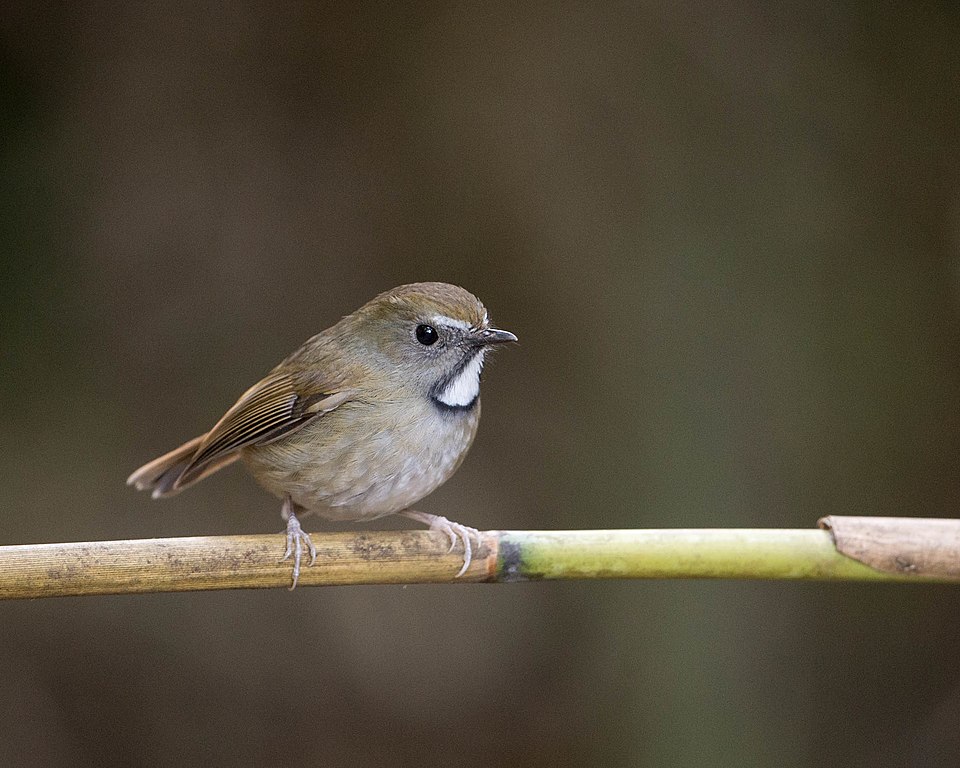
Somali Wheatear
Oenanthe phillipsi
Order: Passeriformes / Family: Muscicapidae

Wikimedia Commons
About the Somali Wheatear
The Somali Wheatear, scientifically known as Oenanthe phillipsi, is a distinctive bird species endemic to the Horn of Africa. Found primarily in Somalia and parts of Ethiopia, this bird inhabits arid and semi-arid regions. The Somali Wheatear is a member of the Muscicapidae family and the Passeriformes order, which is notable for its diverse array of small to medium-sized songbirds. This species plays a significant role in the local ecosystem as an insectivore, helping to control insect populations. As a predominantly sedentary species, the Somali Wheatear exhibits some local movements in response to seasonal environmental changes. During the breeding season, typically from March to June, the males become more territorial and vocal, establishing and defending their territories with a series of distinctive calls. The ecological role of the Somali Wheatear is underscored by its adaptability to harsh environments, where it occupies niches that few other birds can. Its presence in the arid landscapes of the Horn of Africa signifies a healthy ecosystem capable of supporting a variety of flora and fauna. The bird's diet consists largely of insects, which it captures through agile movements and precise foraging techniques. The Somali Wheatear's ability to thrive in these challenging habitats is a testament to its evolutionary adaptability. In terms of conservation significance, the Somali Wheatear is a species of interest due to its relatively restricted range. While currently not listed as endangered, habitat degradation and changes in land use pose potential threats. Conservation efforts are crucial to ensuring the stability of its populations and preserving the unique biodiversity of the regions it inhabits. By understanding the specific requirements and behaviors of the Somali Wheatear, conservationists can better tailor their strategies to protect this emblematic species of the Horn of Africa.
The Somali Wheatear belongs to the family Muscicapidae, within the order Passeriformes. These birds typically live average 4-6 years with limited data on maximum lifespan..
How to Identify a Somali Wheatear
The Somali Wheatear stands out with its striking black and white plumage, a hallmark of its appearance that aids in identification. Adult males display a bold contrast between their black head and back, and their white underparts and rump. This stark contrast is a defining feature when compared to other wheatear species. The females, while similar in pattern, exhibit a slightly more subdued coloration with brownish tones interspersed in their plumage, providing a measure of camouflage in their arid habitats. Juveniles resemble females in their overall color pattern, although they tend to have a more mottled appearance, which provides further concealment among the rocky terrains they inhabit. In flight, the Somali Wheatear's silhouette is characterized by its long wings and tail, which demonstrate their agility and speed. When perched, they often hold an upright posture, giving them a prominent and alert appearance. The Somali Wheatear can sometimes be confused with other Oenanthe species, such as the Desert Wheatear, but the latter lacks the same level of contrast in its plumage. Observers should also note the Somali Wheatear's distinctive behavior, such as tail-flicking, which can aid in distinguishing it from similar species.
Having trouble telling birds apart? Upload a photo to our bird identification tool for an instant species match.
Somali Wheatear Habitat and Range
Preferred Habitat
The Somali Wheatear primarily inhabits arid and semi-arid landscapes, particularly favoring rocky desert regions and open scrublands. In Somalia, it is often found in regions like the Ogaden Desert and the dry savannas of the Somali Plateau. These areas provide the open spaces and scattered vegetation that the species prefers for foraging and nesting. The bird is typically found at elevations ranging from sea level to about 1,800 meters. Unlike many other bird species, the Somali Wheatear does not exhibit significant seasonal shifts in habitat, largely remaining within its defined range throughout the year. However, slight local movements might occur in response to changes in food availability or environmental conditions. While it is predominantly associated with rural and natural settings, the Somali Wheatear occasionally appears on the outskirts of urban areas, where suitable habitats persist. Its presence in these regions highlights its adaptability to a range of arid environments.
Geographic Range
The Somali Wheatear is predominantly found in the Horn of Africa, with its range primarily extending across Somalia and into parts of eastern Ethiopia. The species occupies a relatively restricted geographical area, primarily inhabiting the arid and semi-arid regions of these countries. In Somalia, the bird is widespread throughout the central and northern regions, including areas like the Ogaden Desert and the Somali Plateau, known for their arid conditions and sparse vegetation. In Ethiopia, the Somali Wheatear is found in the southeastern parts, where the habitat conditions mimic those of its stronghold in Somalia. The species does not undertake long-distance migrations, but rather exhibits local movements within its range, often dictated by environmental factors such as rainfall and food availability. Certain regions see higher population densities, particularly where suitable nesting sites and abundant food sources are present, making these areas hotspots for observing the Somali Wheatear.
Want to know which birds visit your area? Browse our backyard birds by location guides for region-specific species lists.
What Does the Somali Wheatear Eat?
The Somali Wheatear predominantly feeds on insects, making it an important insectivore in its ecosystem. Its diet mainly consists of beetles, ants, and other small arthropods, which are captured through a combination of ground foraging and short aerial sallies. The bird's foraging technique involves perching on a vantage point and scanning the ground for movement before darting down to capture its prey. This hunting style is typical of wheatears, relying on both agility and keen eyesight. The Somali Wheatear's diet can vary slightly with the seasons, as insect populations fluctuate in response to the arid climate's cycles. During wetter periods, when insect abundance increases, the bird may adjust its feeding schedule to take advantage of the prey availability, often foraging more actively during the cooler parts of the day, such as early morning and late afternoon. The size of prey typically ranges from small ants to larger beetles, which the bird handles adeptly with its beak.
Somali Wheatear Behavior and Social Structure
The Somali Wheatear exhibits a variety of behaviors that reflect its adaptation to arid environments. It is primarily a solitary bird outside of the breeding season, often seen alone or in pairs rather than in large flocks. During the breeding season, which occurs from March to June, males become highly territorial, defending their chosen areas vigorously from intruders. This territorial behavior is marked by vocal displays and physical posturing, which help establish dominance and attract a mate. Courtship involves a series of displays, including aerial acrobatics and distinctive calls, designed to impress potential partners. The Somali Wheatear remains active throughout the day, particularly during cooler periods, avoiding the intense midday heat. Its response to predators includes alarm calls and evasive flight maneuvers, leveraging its agility and keen awareness. The bird's daily activities revolve around feeding, preening, and maintaining its territory, showcasing a routine well-suited to its challenging habitat.
Somali Wheatear Nesting and Reproduction
The nesting habits of the Somali Wheatear are closely tied to its arid environment. This species typically selects a well-concealed location for its nest, often choosing rocky crevices or sheltered spaces under shrubs. The nest itself is a simple structure, constructed from a mix of grasses, twigs, and other plant materials, providing a secure and insulated environment for the eggs. The typical clutch size ranges from two to five eggs, with the female primarily responsible for incubation. The incubation period lasts approximately 12 to 14 days, during which the female remains on the nest, while the male provides food and protection. Once the eggs hatch, both parents share in feeding the chicks, which fledge after about 15 to 18 days. The Somali Wheatear typically raises one to two broods per year, depending on environmental conditions and food availability, ensuring the continuation of its lineage in the harsh habitats it calls home.
Somali Wheatear Sounds and Vocalizations
The primary song of the Somali Wheatear is a melodious and varied series of notes, characterized by a rhythmic pattern that includes both clear whistles and harsher, chattering elements. This song serves as a key component of territorial and courtship displays, often delivered from a prominent perch. Besides its primary song, the Somali Wheatear also produces a range of call notes, including sharp, alarm calls used to warn of potential threats. These calls are often short and repetitive, designed to alert nearby conspecifics without attracting undue attention from predators. During the early morning hours, the Somali Wheatear participates in a dawn chorus, adding its voice to the natural symphony of the waking landscape. The bird's vocal repertoire, while not as extensive as some other songbirds, is distinct and serves important communication functions within its environment.
Interesting Facts About the Somali Wheatear
- 1The Somali Wheatear is named after the region of Somalia, highlighting its strong geographical association.
- 2Despite its name, the Somali Wheatear does not migrate long distances, preferring to stay within its arid range.
- 3The bird's stark black and white plumage serves as camouflage in the stark, shadowed landscapes of its habitat.
- 4The Somali Wheatear's tail-flicking behavior is a visual cue often used to identify the species in the field.
- 5Unlike many wheatears, the Somali Wheatear is primarily sedentary, with only limited local movements.
- 6The species' diet shift during wetter seasons provides insight into its adaptability to environmental changes.
- 7Somali Wheatears are known for their agility, capable of catching flying insects in mid-air with precision.
Somali Wheatear Conservation Status
The Somali Wheatear is currently classified as Least Concern by the IUCN, reflecting its relatively stable population across its restricted range. However, ongoing habitat degradation poses a significant threat to this species, as land use changes and desertification continue to alter the landscapes it inhabits. Conservation efforts focus on habitat preservation and sustainable land management practices that protect the arid and semi-arid regions crucial to the species' survival. While historical population trends indicate a stable presence, the potential for future declines emphasizes the need for proactive measures. Collaborative efforts between local communities and conservation organizations aim to maintain the ecological integrity of the regions supporting the Somali Wheatear, ensuring this emblematic bird remains a fixture of the Horn of Africa's avian diversity.