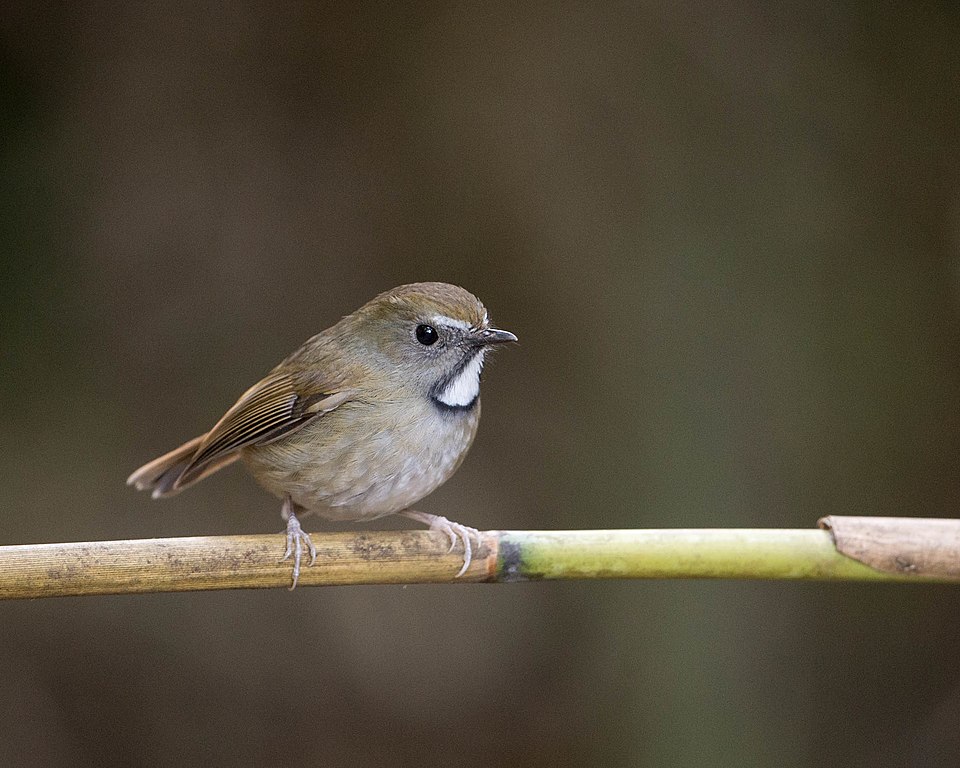
Spotted Flycatcher
Muscicapa striata
Order: Passeriformes / Family: Muscicapidae

Wikimedia Commons
About the Spotted Flycatcher
The Spotted Flycatcher (Muscicapa striata) is a small, unassuming bird that holds a significant place in the ecosystems of Europe and parts of Asia. Despite its plain appearance, the bird's role in insect control is vital, as it feeds voraciously on various flying insects. This species is predominantly found in open woodlands, gardens, and parks, where it utilizes perches to survey and catch prey in flight. During the breeding season, which occurs from May to August in Europe, the Spotted Flycatcher establishes territories in deciduous and mixed woodlands. Its presence is often an indicator of a healthy ecosystem with a robust insect population. The Spotted Flycatcher is a long-distance migrant, breeding in Europe and parts of western Asia, then traveling to sub-Saharan Africa for the winter months. This migration is a critical aspect of its life cycle, as it must navigate vast distances and diverse habitats to ensure survival and reproduction. The ecological role of the Spotted Flycatcher extends beyond insect control. It also acts as a prey species for larger birds of prey and contributes to the biodiversity of the regions it inhabits. The bird's preference for edge habitats, such as woodland borders and open gardens, makes it an important species for studying the effects of habitat fragmentation and urbanization. By understanding its habits and requirements, conservationists can better tailor efforts to preserve the habitats that support not only the Spotted Flycatcher but also the myriad other species that share its environment.
The Spotted Flycatcher belongs to the family Muscicapidae, within the order Passeriformes. These birds typically live average 5 years, with some living up to 10 years..
How to Identify a Spotted Flycatcher
The Spotted Flycatcher is a small bird, measuring around 14 cm in length, with a wingspan of approximately 23-25 cm. Adults display a predominantly gray-brown plumage with subtle streaking on the head and back, which aids in camouflage among tree branches. The underparts are paler, often showing a hint of buff, with faint spots on the breast, a feature more pronounced in juveniles. While both sexes look similar, females may appear slightly duller, though this difference is often challenging to discern in the field. Juveniles are distinguishable by their more pronounced spotting and streaking, providing better camouflage in their early vulnerable stages. The Spotted Flycatcher's flight is characterized by swift, direct movements interspersed with moments of hovering as it hunts insects. When perched, it presents an upright posture, often returning to the same perch repeatedly. This behavior, along with its distinct thin bill and relatively long wings, helps distinguish it from similar species like the Pied Flycatcher, which exhibits more contrasting black and white plumage.
Having trouble telling birds apart? Upload a photo to our bird identification tool for an instant species match.
Spotted Flycatcher Habitat and Range
Preferred Habitat
The Spotted Flycatcher thrives in a variety of habitats, particularly favoring open woodlands, parks, and gardens. It is commonly found at elevations ranging from sea level up to 1,500 meters, with a preference for areas that offer both open spaces for foraging and dense foliage for nesting. In Europe, it frequents deciduous and mixed woodlands, often those with a rich understory and abundant insect life. During migration, it may be observed in more diverse habitats, including scrublands and agricultural areas. The bird's adaptability to different settings, including urban gardens and rural hedgerows, highlights its ability to coexist with human-altered landscapes, though it requires suitable perches and a plentiful food supply.
Geographic Range
The breeding range of the Spotted Flycatcher spans across Europe and into parts of western and central Asia, from the British Isles eastward through continental Europe and into the Caucasus. During the winter months, it migrates to sub-Saharan Africa, with significant populations wintering in regions such as Nigeria, Kenya, and Tanzania. Migration corridors include the Mediterranean Basin, where it can be seen during spring and autumn transits. Population density tends to be highest in southern and southwestern Europe, where suitable habitats are abundant, though numbers have been declining in many areas due to habitat loss and changes in agricultural practices.
Want to know which birds visit your area? Browse our backyard birds by location guides for region-specific species lists.
What Does the Spotted Flycatcher Eat?
The diet of the Spotted Flycatcher primarily consists of flying insects, which it captures on the wing in a birdwatcher's classic sallying flight. Common prey items include flies, beetles, butterflies, and moths. During the breeding season, its diet expands to include larger insects such as dragonflies, which provide essential nutrients for the development of chicks. The flycatcher employs a sit-and-wait hunting strategy, often returning to the same perch after each successful catch. This method is efficient and allows the bird to conserve energy while maintaining a high capture rate. Seasonal changes in insect availability may lead the Spotted Flycatcher to adapt its foraging habits and occasionally include berries or other small fruits, particularly in the autumn.
Spotted Flycatcher Behavior and Social Structure
The Spotted Flycatcher exhibits solitary or paired behavior during the breeding season, with both sexes participating in territory defense. Males perform subtle courtship displays, including aerial chases and song flights, to attract a mate. Despite its unassuming appearance, the Spotted Flycatcher is highly territorial, vigorously defending its breeding area from intruders. Outside the breeding season, it is less aggressive, often joining mixed-species foraging flocks during migration and in its wintering grounds. The bird is primarily active during daylight hours, with peak activity occurring in the morning and late afternoon when insect activity is highest. When faced with predators, it relies on cryptic plumage to avoid detection, though it may also emit alarm calls to alert other birds of danger.
Spotted Flycatcher Nesting and Reproduction
The Spotted Flycatcher typically constructs its nest in a sheltered location, such as a tree fork, building ledge, or crevice in a wall. The nest is an open cup made from twigs, moss, and grass, lined with feathers and soft plant materials. Clutch sizes range from three to six eggs, with incubation lasting around 12-15 days. Both parents share incubation duties, though the female takes a more prominent role. After hatching, the chicks remain in the nest for approximately 14-16 days before fledging. Parental care continues post-fledging, as adults teach the young essential foraging skills. The species often raises one or two broods per year, depending on environmental conditions and food availability.
Spotted Flycatcher Sounds and Vocalizations
The Spotted Flycatcher's song is a gentle, melodic series of thin, high-pitched 'see-sip-sip' notes, often delivered from a conspicuous perch. Its call notes include a sharp 'tsip' or 'chit,' used in communication between mates and as an alarm when predators are near. During the dawn chorus, its song blends into a subtle background, easily overshadowed by louder species but distinctive once familiar. Comparatively, its song lacks the complexity of warblers or the volume of thrushes, embodying a quieter presence in its habitat.
Interesting Facts About the Spotted Flycatcher
- 1The Spotted Flycatcher can catch up to 700 insects a day, showcasing its importance in local ecosystems.
- 2Despite their name, Spotted Flycatchers have a plain appearance with subtle spotting only visible upon close inspection.
- 3Their long migration from Europe to Africa covers thousands of kilometers, undertaken twice a year.
- 4Spotted Flycatchers often return to the same breeding territories and even the same nesting sites year after year.
- 5Unlike many small birds, Spotted Flycatchers are relatively quiet during migration, focusing on conserving energy.
- 6Their aerial hunting technique, involving short sprints from a perch, is highly efficient for insect capture.
- 7The species' presence in gardens helps control pest populations, benefiting both natural and cultivated plants.
Spotted Flycatcher Conservation Status
Currently, the Spotted Flycatcher is listed as Least Concern by the IUCN, though its populations are declining across much of its range. This decrease is primarily due to habitat loss, changes in land use, and a reduction in insect populations. Conservation efforts focus on preserving and restoring suitable habitats, promoting traditional agricultural practices that support insect life, and monitoring population trends. Historically, the Spotted Flycatcher was more abundant; however, modern agricultural practices and urbanization have contributed significantly to its decline.