
Striated Babbler
Turdoides earlei
Order: Passeriformes / Family: Leiothrichidae
Wikimedia Commons
About the Striated Babbler
The Striated Babbler, Turdoides earlei, is a distinctive member of the Leiothrichidae family, known for its gregarious nature and characteristic plumage. This species thrives in the grasslands and scrublands of South Asia, with populations concentrated in India, Nepal, and Bangladesh. Its presence in these regions underscores its adaptability to open habitats where it plays a crucial ecological role. Striated Babblers primarily inhabit lowland areas, making them a common sight in the Gangetic plain and the Terai of Nepal. The bird's significance extends to its social structure, as it often forms cohesive flocks. These flocks contribute to seed dispersal and insect population control, benefiting the ecosystem. Seasonal behaviors of the Striated Babbler include changes in foraging patterns, often aligning with the monsoon season, which influences food availability. During breeding, these birds exhibit increased territoriality, showcasing complex vocalizations to assert dominance and attract mates. As a resident species, the Striated Babbler generally does not migrate, but it may exhibit short-distance movements in response to environmental changes such as habitat saturation or food scarcity. This adaptability ensures its survival across various landscapes, from agricultural fields to urban fringes. The ecological role of the Striated Babbler is vital, as it helps maintain the balance of its habitat. By controlling insect populations and dispersing seeds, it influences the structure and composition of the local flora and fauna. Despite its commonality, the Striated Babbler is a species of interest for ornithologists and naturalists alike, providing insights into the dynamics of social avian species and their interactions with the environment.
The Striated Babbler belongs to the family Leiothrichidae, within the order Passeriformes. These birds typically live typically around 5 years, with some living up to 8 years..
How to Identify a Striated Babbler
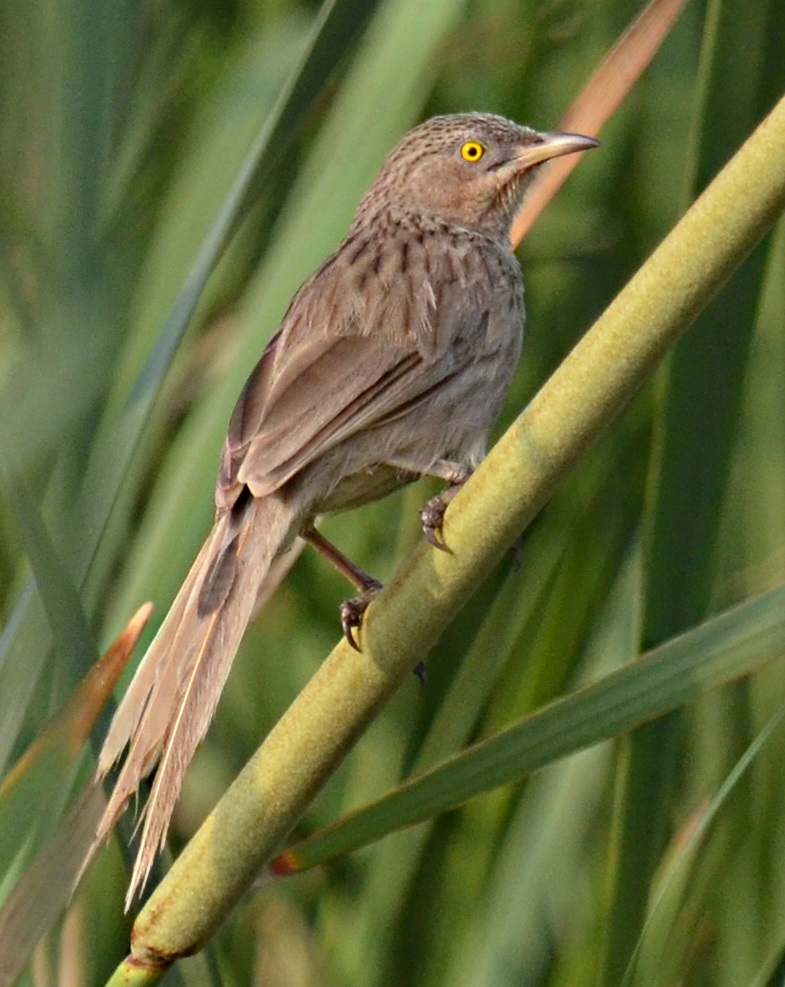
Identifying the Striated Babbler involves noting its distinct streaked appearance. Adult birds exhibit a predominantly brown plumage with heavy streaking on the head, back, and wings, which contrasts with a paler underside. This streaking pattern is a key feature that differentiates it from similar species. Juveniles resemble adults but often appear duller with less defined streaks. Male and female Striated Babblers are similar in appearance, making gender identification challenging without behavioral cues. When observing these birds, look for their typical upright posture while perching, often in groups. In flight, the Striated Babbler displays a short, rounded wing structure that lends itself to quick, fluttering movements rather than prolonged gliding. Confusion may arise with the Jungle Babbler, but the latter lacks the distinctive streaking of the Striated Babbler. Additionally, the Striated Babbler often vocalizes in a chorus, a behavior less common in the Jungle Babbler. Such vocalizations, along with their social behavior, can aid in distinguishing between these two species.
Having trouble telling birds apart? Upload a photo to our bird identification tool for an instant species match.
Striated Babbler Habitat and Range
Preferred Habitat
The Striated Babbler primarily inhabits open grasslands and scrubby areas, favoring regions with dense undergrowth and tall grasses. It is commonly found at low elevations, typically below 1,500 meters. In India, it thrives in the Gangetic plain, while in Nepal, it is a regular presence in the Terai region. This bird is adaptable, making use of agricultural fields and even suburban gardens, provided there is sufficient cover and food supply. Seasonal habitat shifts are minimal, but during the monsoon, Striated Babblers may move to slightly elevated areas to avoid flooding. In urban settings, they are less common but can be observed in parks and green belts where natural vegetation is preserved. The Striated Babbler's preference for open, grassy areas with scattered shrubs ensures it remains relatively widespread in suitable habitats across its range.
Geographic Range
The Striated Babbler's range extends across the northern regions of the Indian subcontinent. It is prevalent in northern India, particularly throughout the Gangetic plain, extending into Bangladesh and the lowland areas of Nepal. There is no significant migration pattern associated with this species, as it is largely resident year-round in its range. However, local movements may occur in response to changes in habitat conditions or food availability. The species is notably absent from the arid western regions of India and the highlands of Nepal, highlighting its preference for more humid environments. While the Striated Babbler has a wide range, population density can vary, with dense populations often found in areas where suitable grassland habitat is abundant.
Want to know which birds visit your area? Browse our backyard birds by location guides for region-specific species lists.
What Does the Striated Babbler Eat?
The diet of the Striated Babbler consists mainly of insects and other invertebrates, which it forages for in the undergrowth. During the breeding season, it supplements its diet with seeds and berries, taking advantage of the increased availability of these food sources. The bird employs a methodical foraging technique, often in small flocks, moving through grass and shrubs to flush out prey. Prey sizes range from small insects like ants and beetles to larger invertebrates like caterpillars. The Striated Babbler's feeding schedule is diurnal, with peak activity during the early morning and late afternoon. This schedule allows the bird to exploit the cooler parts of the day, minimizing energy expenditure while foraging. Seasonal changes can affect its diet, with a greater reliance on seeds and plant matter during the dryer months when insect availability decreases.
Striated Babbler Behavior and Social Structure
The Striated Babbler exhibits highly social behavior, typically forming groups of 6 to 10 individuals. These flocks communicate through a series of loud, gregarious calls, which serve to maintain group cohesion and coordinate activities. The species displays territorial behavior during the breeding season, with males becoming more vocal and aggressive in defending their area. Courtship displays are subtle, involving mutual preening and soft vocalizations between mates. In response to predators, Striated Babblers rely on group mobbing tactics, using alarm calls to alert others and collectively drive away threats. Daily activity patterns revolve around foraging and social interactions, with periods of rest during the hottest parts of the day. Flocking patterns are essential for survival, as they offer protection from predators and increase foraging efficiency.
Striated Babbler Nesting and Reproduction
The Striated Babbler constructs cup-shaped nests using grass, leaves, and twigs, often positioned low in dense shrubs or tall grasses. Preferred nesting locations include areas with ample cover to protect against predators. The typical clutch size ranges from 3 to 5 eggs, which are incubated by both parents for about 14 days. After hatching, the chicks remain in the nest for another 14 days before fledging. Parental roles are shared, with both males and females participating in feeding and caring for the young. The Striated Babbler may produce two broods per year, particularly if environmental conditions are favorable and food is abundant. This reproductive strategy helps maintain their population across their range.
Striated Babbler Sounds and Vocalizations
The primary song of the Striated Babbler is a series of loud, melodious whistles that rise and fall in pitch. These vocalizations serve multiple purposes, including mate attraction and territory defense. Call notes are sharp and repetitive, often used in communication within flocks. Alarm calls are harsh and guttural, alerting the group to potential dangers. During the dawn chorus, the Striated Babbler's song becomes more elaborate and frequent, contributing to the morning soundscape. Comparatively, its vocalizations are more varied and complex than those of the Jungle Babbler, helping to distinguish the two species.
Interesting Facts About the Striated Babbler
- 1The Striated Babbler can form flocks of up to 15 birds, which is unusually large for babblers.
- 2Despite being a songbird, the Striated Babbler's vocal range includes harsh calls and melodious whistles.
- 3This bird species plays a crucial role in seed dispersal, aiding the regeneration of grassland ecosystems.
- 4Striated Babblers engage in cooperative breeding, with non-breeding individuals helping raise chicks.
- 5Their nests are often concealed in dense grass, making them difficult for predators to locate.
- 6The Striated Babbler's social structure allows for efficient foraging and increased protection from predators.
- 7These birds are most active during the cool parts of the day, reducing energy expenditure in hot climates.
Striated Babbler Conservation Status
The Striated Babbler is currently listed as Least Concern by the IUCN, with populations considered stable across its range. Its adaptability to various habitats, including modified landscapes, contributes to its resilience. However, habitat destruction due to agricultural expansion and urban development poses ongoing threats. Conservation efforts focus on preserving grassland habitats and maintaining biodiversity within these ecosystems. Historically, the Striated Babbler's population has remained stable, but continued monitoring is essential to address potential future challenges.
Other Leiothrichidae Species

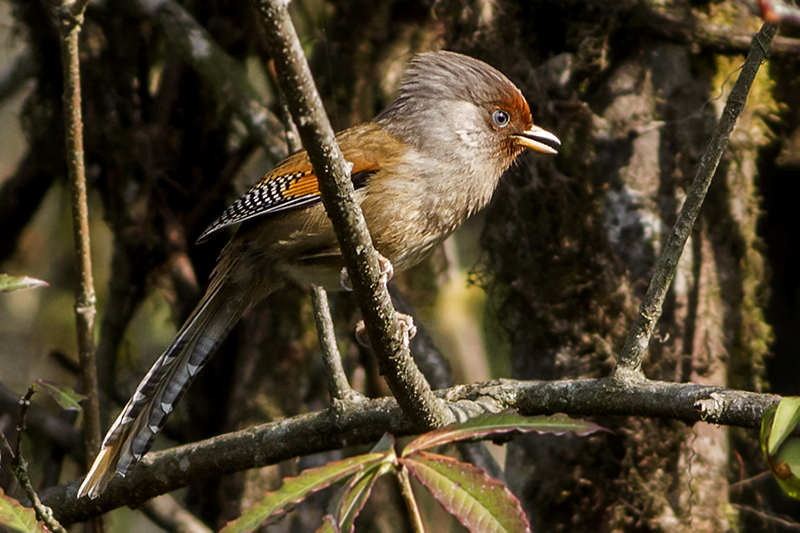

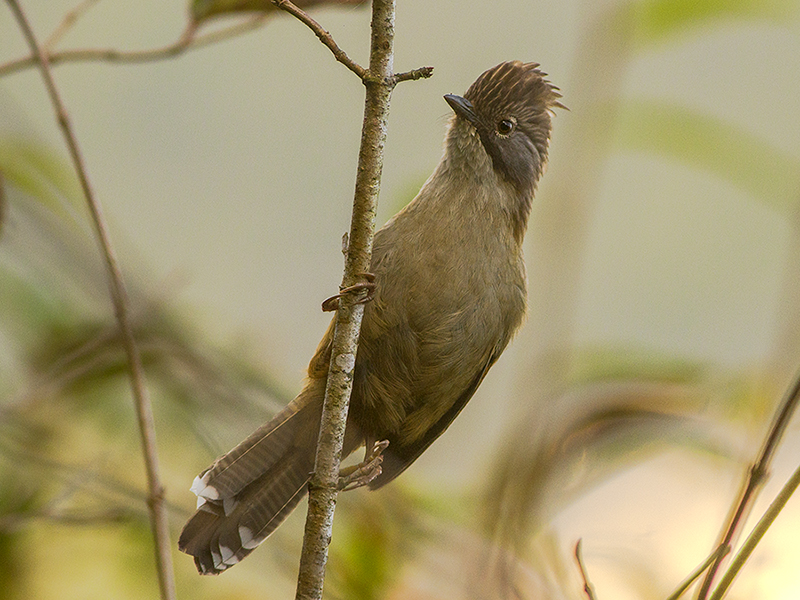
Birds Similar to the Striated Babbler
These species are often confused with the Striated Babbler due to similar appearance or overlapping range.

