
Sumatran Blue Robin
Myiomela sumatrana
Order: Passeriformes / Family: Muscicapidae

Wikimedia Commons
About the Sumatran Blue Robin
The Sumatran Blue Robin, scientifically known as Myiomela sumatrana, is an enchanting bird endemic to the island of Sumatra in Indonesia. This species holds a special place in the hearts of birdwatchers due to its captivating appearance and elusive nature. As a member of the Muscicapidae family, it is part of a lineage of Old World flycatchers known for their diverse behaviors and adaptations to different environments. This bird thrives in the humid, montane forests of Sumatra, where dense undergrowth provides both food sources and protection from predators. The island's unique ecological landscape supports a diverse array of flora and fauna, with the Sumatran Blue Robin playing an integral role in the local ecosystem.
Sumatra's dense forests, primarily located in the Barisan Mountain Range, offer the ideal habitat for this species. These forests are characterized by high humidity and lush vegetation, which support a variety of insect species that form the primary diet of the Sumatran Blue Robin. The bird's preference for such specific habitats highlights its ecological significance, as it contributes to the control of insect populations and the pollination of certain plant species.
The Sumatran Blue Robin exhibits seasonal behaviors that are closely tied to the island's climatic patterns. During the wet season, the abundance of food allows for increased reproductive activities. The bird's breeding season corresponds with this period, ensuring that its offspring have ample food supplies. This synchronization with environmental conditions underscores the bird's adaptation to its habitat. The ecological role of the Sumatran Blue Robin extends beyond its immediate environment; it is part of a larger network of species that rely on the island's montane ecosystem.
The Sumatran Blue Robin belongs to the family Muscicapidae, within the order Passeriformes. These birds typically live average 4-6 years with a maximum recorded of 8 years.
How to Identify a Sumatran Blue Robin
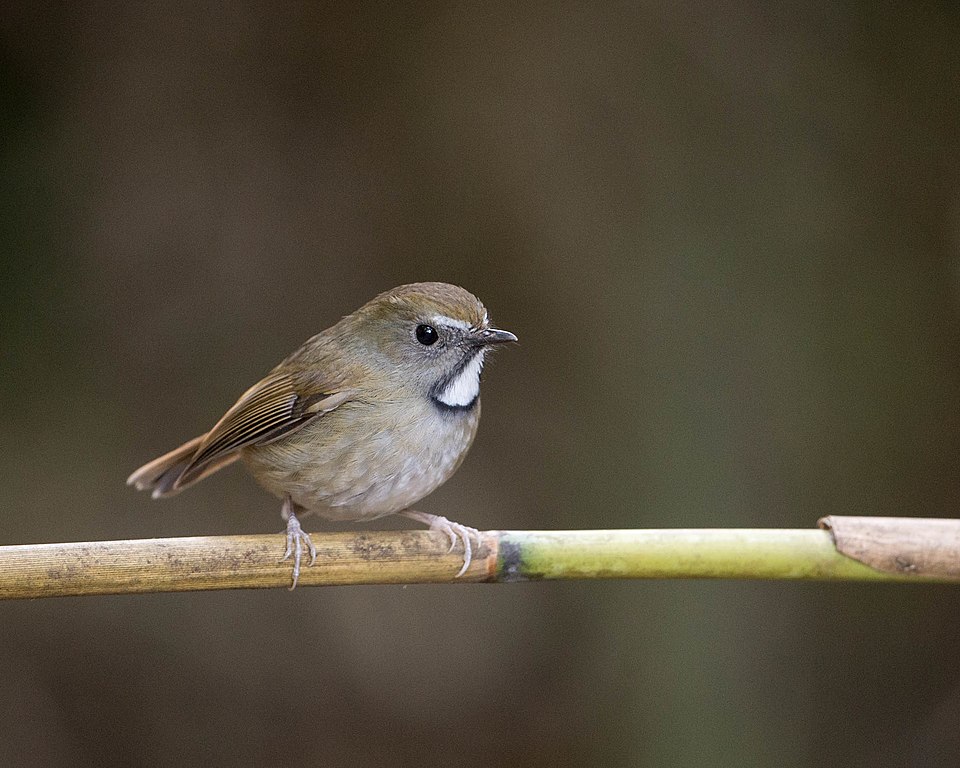
The Sumatran Blue Robin is easily recognized by its striking cobalt blue plumage, which covers most of the adult male's body. This vibrant coloration is contrasted by a darker blue on the wings and tail. In comparison, the female is more subdued in appearance, exhibiting a mixture of blue and gray tones with a paler underside. Juvenile Sumatran Blue Robins resemble females but with a more mottled and less vibrant appearance, providing them with better camouflage from predators.
Field identification often relies on the bird's size as well, with the Sumatran Blue Robin measuring approximately 15 cm in length. Its compact body shape and relatively short tail make it distinguishable from similar species. The bird's perching posture is upright, often seen on low branches where it surveys the ground for prey.
Potential confusion with other blue birds is mitigated by its specific blue shade and habitat preference. While in flight, the Sumatran Blue Robin displays a rapid, direct flight pattern. Its flight silhouette, marked by a rounded head and short tail, helps differentiate it from larger, more elongated species.
Having trouble telling birds apart? Upload a photo to our bird identification tool for an instant species match.
Sumatran Blue Robin Habitat and Range
Preferred Habitat
The Sumatran Blue Robin inhabits the montane rainforests of Sumatra, thriving at elevations ranging from 1,000 to 3,000 meters. These forests are predominantly found in the Barisan Mountain Range, a critical area for biodiversity in Indonesia. The bird's preference for dense undergrowth and shaded areas means it is rarely found in open, degraded habitats.
During different seasons, the Sumatran Blue Robin may shift slightly in elevation, seeking optimal conditions for feeding and breeding. However, it remains largely restricted to forested environments, underscoring its dependency on this habitat type.
Unlike some other bird species that adapt to urban environments, the Sumatran Blue Robin is seldom seen in areas with significant human disturbance. Its presence in rural, forested areas is consistent throughout the year, with little seasonal migration.
Geographic Range
The Sumatran Blue Robin is endemic to the island of Sumatra in Indonesia, with its range confined to the highland forests of this region. The bird is primarily found in the Barisan Mountain Range, stretching along the western side of the island. This montane range is a hotspot for biodiversity, housing numerous endemic species.
The breeding range of the Sumatran Blue Robin is largely overlapping with its general range, as the bird does not undertake long-distance migrations. Instead, it remains within the confines of its preferred montane habitats throughout the year.
Population density hotspots are concentrated in protected areas within the mountain ranges, where conservation efforts have preserved the dense forest habitats crucial for its survival. The species' limited range highlights its vulnerability to habitat loss and environmental changes.
Want to know which birds visit your area? Browse our backyard birds by location guides for region-specific species lists.
What Does the Sumatran Blue Robin Eat?
The primary diet of the Sumatran Blue Robin consists of a variety of insects and other small invertebrates, which it skillfully captures in the dense forest undergrowth. This insectivorous diet includes ants, beetles, and caterpillars, with occasional consumption of small fruits and seeds.
Seasonal changes in food availability influence its diet, with a greater emphasis on insects during the wet season when they are most abundant. The bird employs a sit-and-wait foraging technique, often perching quietly before darting out to snatch prey from the forest floor or foliage.
Prey size is typically small, suitable for the bird's modest size. The Sumatran Blue Robin is most active during the early morning and late afternoon, aligning its feeding schedule with peak insect activity.
Sumatran Blue Robin Behavior and Social Structure
The Sumatran Blue Robin exhibits solitary behavior, with individuals generally maintaining separate territories. Territorial behavior is pronounced during the breeding season, with males singing to establish and defend their space from rivals.
Courtship displays are subtle, involving calls and short flights to attract females. Once paired, both birds participate in nurturing their young, although males remain more vigilant in territory defense.
The bird's response to predators includes remaining motionless and utilizing dense cover to avoid detection. Despite its vibrant coloration, its habitat provides ample hiding opportunities.
Daily activity patterns revolve around foraging and territorial maintenance, with peak activity occurring during cooler parts of the day. Flocking behavior is uncommon outside of the breeding season when family groups temporarily form before dispersing.
Sumatran Blue Robin Nesting and Reproduction
The Sumatran Blue Robin constructs cup-shaped nests, primarily composed of moss, leaves, and twigs, reflecting the resources available in its forest environment. Nests are typically located in low shrubs or on the ground, well-concealed by thick vegetation.
A typical clutch consists of 2-3 eggs, with an incubation period of around 14 days. Both parents share incubation duties, although the female often assumes a greater role in keeping the eggs warm.
After hatching, the fledging timeline extends to approximately 15-17 days, during which parents continuously feed the chicks a diet rich in insects. The species generally produces one or two broods per year, depending on food availability and environmental conditions.
Sumatran Blue Robin Sounds and Vocalizations
The primary song of the Sumatran Blue Robin is a melodic sequence of high-pitched whistles, often delivered from a concealed perch. This song is characterized by a rhythmic, cascading quality that can carry through the dense forest.
In addition to its song, the bird emits sharp call notes used for communication between mates and offspring. Alarm calls are more urgent and staccato, signaling potential threats to nearby individuals.
During the dawn chorus, the Sumatran Blue Robin contributes a harmonious backdrop to the symphony of forest sounds, its song distinct yet blending seamlessly with the auditory tapestry of its habitat.
Interesting Facts About the Sumatran Blue Robin
- 1The Sumatran Blue Robin is one of the few bird species that remain restricted to the montane forests of Sumatra, highlighting its specialized habitat needs.
- 2Despite its vibrant blue color, the Sumatran Blue Robin blends remarkably well into its forest habitat, thanks to the dappled light and dense underbrush.
- 3The species' reliance on insect prey makes it an important biological control agent, helping keep forest insect populations in balance.
- 4With its population primarily confined to protected areas, the Sumatran Blue Robin serves as an indicator of forest health and biodiversity.
- 5The Sumatran Blue Robin's song is often compared to the sound of a finely tuned flute, adding a musical quality to the forest ambiance.
- 6This bird is part of a fascinating group of robins that are more closely related to Old World flycatchers than to the true robins of North America.
- 7Sumatra's isolation has resulted in a high level of endemism, with the Sumatran Blue Robin among the unique species found nowhere else on Earth.
Sumatran Blue Robin Conservation Status
Currently listed as Near Threatened by the IUCN, the Sumatran Blue Robin faces ongoing challenges due to habitat destruction and fragmentation. The population trend is decreasing, primarily driven by deforestation for agriculture and logging activities. Conservation efforts focus on protecting the remaining montane forests and establishing more extensive protected areas. Historical population changes correlate with increased human activity in its range, highlighting the need for sustainable land management practices. Ongoing research aims to better understand the bird's ecology and inform future conservation strategies, ensuring the survival of this unique species in its natural habitat.
Other Muscicapidae Species


Birds Similar to the Sumatran Blue Robin
These species are often confused with the Sumatran Blue Robin due to similar appearance or overlapping range.

