
Sumba Brown Flycatcher
Muscicapa segregata
Order: Passeriformes / Family: Muscicapidae

Wikimedia Commons
About the Sumba Brown Flycatcher
The Sumba Brown Flycatcher, scientifically known as Muscicapa segregata, inhabits the unique ecosystems of Sumba Island in Indonesia. This small passerine bird is part of the Muscicapidae family and is endemic to Sumba, meaning it is not found anywhere else in the world. Measuring approximately 12-13 cm in length, the Sumba Brown Flycatcher exhibits a muted brown coloration with a slightly paler chest and belly, which aids in its camouflage among the island's dense forests. Its role in the ecosystem is significant as it helps control insect populations, acting as a natural pest regulator. These birds are primarily insectivorous, catching insects on the wing with impressive agility. The Sumba Brown Flycatcher is an essential component of its habitat, contributing to the ecological balance through its feeding habits. This species thrives in the subtropical or tropical moist lowland forests and occasionally in degraded former forests. The flycatcher is known for its relatively sedentary lifestyle, with no significant migratory behavior recorded. This resident bird is often seen flitting through the forest understory, gleaning insects from leaves. Despite its limited geographical range, the Sumba Brown Flycatcher plays a crucial role in the island's biodiversity. Its presence indicates a healthy forest ecosystem, and its survival is directly linked to the conservation of its habitat. The flycatcher's subtle behavior and appearance make it a symbol of the unobtrusive yet vital components of the forest ecosystem. During the breeding season, which typically coincides with the wet season from November to April, the Sumba Brown Flycatcher engages in solitary or paired nesting. It constructs nests that are cleverly concealed in the dense foliage, ensuring the safety of its offspring. The flycatcher's ability to adapt to seasonal changes is evident in its breeding patterns, as it takes advantage of the increased availability of food resources during the wet months. Overall, the Sumba Brown Flycatcher is a testament to the intricate balance of nature and the importance of maintaining intact habitats for the survival of endemic species.
The Sumba Brown Flycatcher belongs to the family Muscicapidae, within the order Passeriformes. These birds typically live average 4 years, with limited data on maximum lifespan..
How to Identify a Sumba Brown Flycatcher
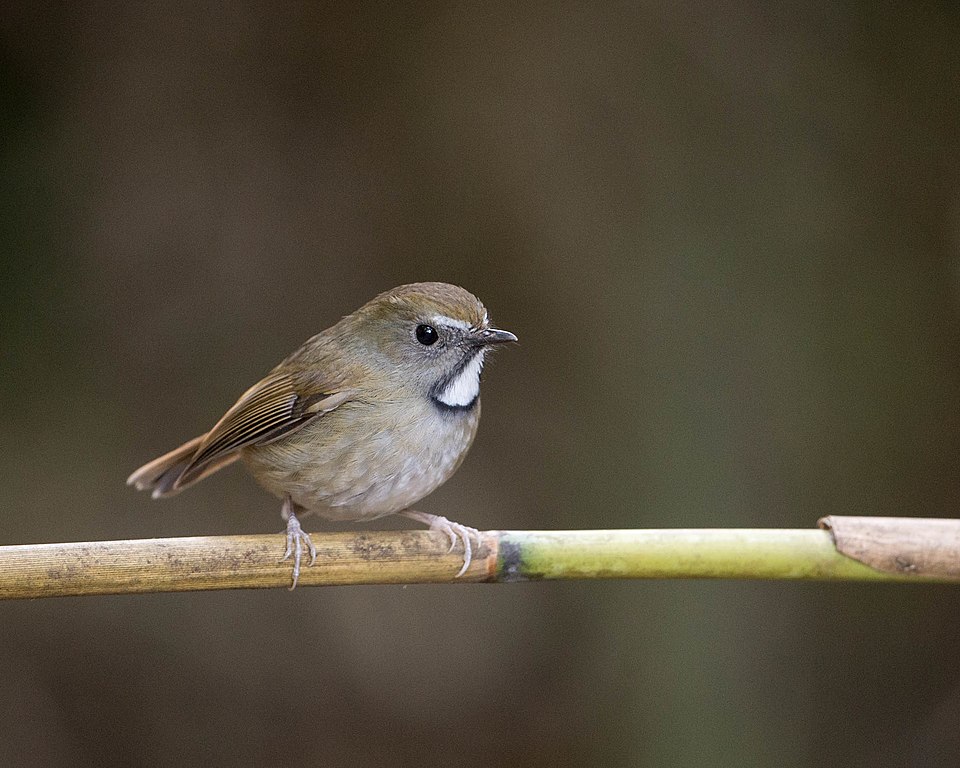
Identifying the Sumba Brown Flycatcher requires a keen eye due to its subtle plumage and small size. Adult flycatchers exhibit a uniform brown color on their upperparts, with slightly paler underparts that blend seamlessly into their environment. Their wings and tail are a darker brown, providing a modest contrast. Juvenile birds resemble adults but may have slight streaking on the breast, which fades as they mature. Both male and female Sumba Brown Flycatchers appear similar, lacking any distinct sexual dimorphism, which can make gender identification challenging in the field. The flycatcher's beak is short and sharp, adapted for catching insects mid-flight. Its eyes are dark, offering some contrast against the lighter face. The flycatcher's flight silhouette is compact, with a rapid wingbeat that facilitates agile maneuvering through dense foliage. When perched, the Sumba Brown Flycatcher often remains still, making it a challenge to spot among the branches. Observers should look for its distinctive behavior of sallying out from a perch to catch insects before returning. Compared to similar species, the Sumba Brown Flycatcher lacks any striking markings or colors, which can lead to confusion with other brown flycatchers in overlapping ranges. However, its presence on Sumba Island helps distinguish it from other Muscicapa species.
Having trouble telling birds apart? Upload a photo to our bird identification tool for an instant species match.
Sumba Brown Flycatcher Habitat and Range
Preferred Habitat
The Sumba Brown Flycatcher thrives in subtropical and tropical moist lowland forests, favoring areas with dense understory vegetation. These forests provide ample cover and an abundance of insects, which make up the bird's diet. The flycatcher's habitat is primarily limited to Sumba Island, where it can be found from sea level up to elevations of 900 meters. Seasonal habitat shifts are minimal, as this species is non-migratory, choosing to remain within its established territory year-round. Given its preference for undisturbed forest environments, the Sumba Brown Flycatcher is less commonly found in urban or heavily agricultural areas. However, it can sometimes adapt to secondary growth forests, provided there is sufficient vegetation to support its foraging needs. Conservation of these forest habitats is vital for the continued survival of the Sumba Brown Flycatcher, as habitat degradation presents a significant threat to its population.
Geographic Range
The range of the Sumba Brown Flycatcher is restricted to Sumba Island in the Lesser Sunda Islands of Indonesia. This geographic isolation has led to the evolution of the species as an endemic bird, found nowhere else in the world. Within Sumba, the flycatcher is distributed across suitable forest habitats, although it tends to avoid areas heavily impacted by human activity. There is no evidence of migratory behavior, and the species is considered a year-round resident of the island. The flycatcher's distribution is primarily concentrated in the lowland forests, although it can also be found in montane regions up to 900 meters in elevation. Population density is highest in areas where forest cover remains intact, as these provide the necessary resources for feeding and breeding. The limited range of the Sumba Brown Flycatcher makes it particularly susceptible to habitat loss, and conservation efforts are critical to ensure the species does not face further decline.
Want to know which birds visit your area? Browse our backyard birds by location guides for region-specific species lists.
What Does the Sumba Brown Flycatcher Eat?
The diet of the Sumba Brown Flycatcher primarily consists of insects, which it captures with remarkable agility. This bird employs a sit-and-wait foraging strategy, perching quietly before sallying out to snatch prey mid-air. The flycatcher targets a variety of insects, including flies, beetles, and moths, which are abundant in its forest habitat. During the wet season, the increased insect population provides ample food for the flycatcher, supporting its breeding efforts. While insects are the primary food source, the Sumba Brown Flycatcher may occasionally consume other small invertebrates to supplement its diet. The bird's feeding schedule aligns with peak insect activity, often foraging actively during the early morning and late afternoon. This pattern allows the flycatcher to maximize its energy intake while avoiding the midday heat. Its role as an insect predator makes the Sumba Brown Flycatcher an integral part of the ecosystem, helping to control pest populations naturally.
Sumba Brown Flycatcher Behavior and Social Structure
The Sumba Brown Flycatcher exhibits solitary or paired behavior, particularly during the breeding season. Territoriality is a notable aspect of its behavior, with individuals vigorously defending their chosen patch of forest from intruders. Courtship displays are subtle, involving vocalizations and brief aerial pursuits. Once paired, the flycatchers work cooperatively to build nests and rear their young. This species does not typically form large flocks, preferring a more independent lifestyle. In response to predators, the Sumba Brown Flycatcher relies on its cryptic plumage and stillness to avoid detection. If threatened, it may emit alarm calls to warn nearby individuals. Daily activity patterns show the flycatcher as most active during dawn and dusk, corresponding to times of high insect activity. This crepuscular habit allows the bird to exploit food resources efficiently while minimizing exposure to potential predators. Although generally inconspicuous, the Sumba Brown Flycatcher plays a vital role in its forest habitat, maintaining insect populations and contributing to the overall health of the ecosystem.
Sumba Brown Flycatcher Nesting and Reproduction
The nesting behavior of the Sumba Brown Flycatcher is characterized by careful selection of site and materials. Nests are typically built in dense foliage, often in the fork of a tree, providing concealment from predators. The structure is a small cup made from twigs, leaves, and other plant materials, bound together with spider silk or other fine fibers. Clutch size averages two to three eggs, which are incubated primarily by the female. The incubation period lasts around 14 days, during which the male may assist by providing food. Once hatched, the nestlings remain in the nest for an additional 14 to 16 days before fledging. Both parents are involved in feeding and caring for the young, ensuring their survival in the critical early stages of life. The Sumba Brown Flycatcher typically raises one to two broods per year, depending on environmental conditions and food availability. The emphasis on nesting in hidden locations reflects the flycatcher's adaptation to a habitat where predation risks are significant.
Sumba Brown Flycatcher Sounds and Vocalizations
The vocalizations of the Sumba Brown Flycatcher are subtle yet distinctive. Its primary song consists of a series of soft, melodious notes delivered in a steady rhythm. The pitch is relatively high, with a gentle quality that blends into the ambient sounds of the forest. Call notes are simple and understated, often resembling a soft 'tsee' or 'chip' sound. Alarm calls are more urgent, serving to alert other birds to potential threats. During the dawn chorus, the flycatcher's song becomes more pronounced, contributing to the overall symphony of the forest. Despite its quiet nature, the Sumba Brown Flycatcher's vocalizations are an essential aspect of its communication, particularly during the breeding season when territory establishment and mate attraction are crucial.
Interesting Facts About the Sumba Brown Flycatcher
- 1The Sumba Brown Flycatcher is endemic to Sumba Island, meaning it's found nowhere else in the world.
- 2Despite its size, the flycatcher plays a vital role in controlling insect populations within its habitat.
- 3The Sumba Brown Flycatcher builds its nest from twigs, leaves, and spider silk, cleverly concealed in dense foliage.
- 4This bird's subtle plumage allows it to blend seamlessly into the forest, making it a challenge to spot.
- 5The flycatcher's primary song consists of soft, melodious notes, contributing to the dawn chorus.
- 6The Sumba Brown Flycatcher is classified as Near Threatened, highlighting the importance of habitat conservation.
- 7Its non-migratory lifestyle means it remains on Sumba Island year-round, relying on the island's resources.
Sumba Brown Flycatcher Conservation Status
Currently, the Sumba Brown Flycatcher is classified as Near Threatened on the IUCN Red List. The primary threat to its population is habitat loss due to deforestation and land conversion for agriculture. Despite a stable population trend, the limited range of the species heightens its vulnerability to environmental changes. Conservation efforts focus on protecting the remaining forest habitats on Sumba Island and promoting sustainable land-use practices. Historical data suggest that the population has remained relatively stable, although ongoing monitoring is essential to ensure its continued survival. Conservationists emphasize the importance of maintaining intact ecosystems to support the diverse array of species endemic to the region, including the Sumba Brown Flycatcher.
Other Muscicapidae Species


Birds Similar to the Sumba Brown Flycatcher
These species are often confused with the Sumba Brown Flycatcher due to similar appearance or overlapping range.