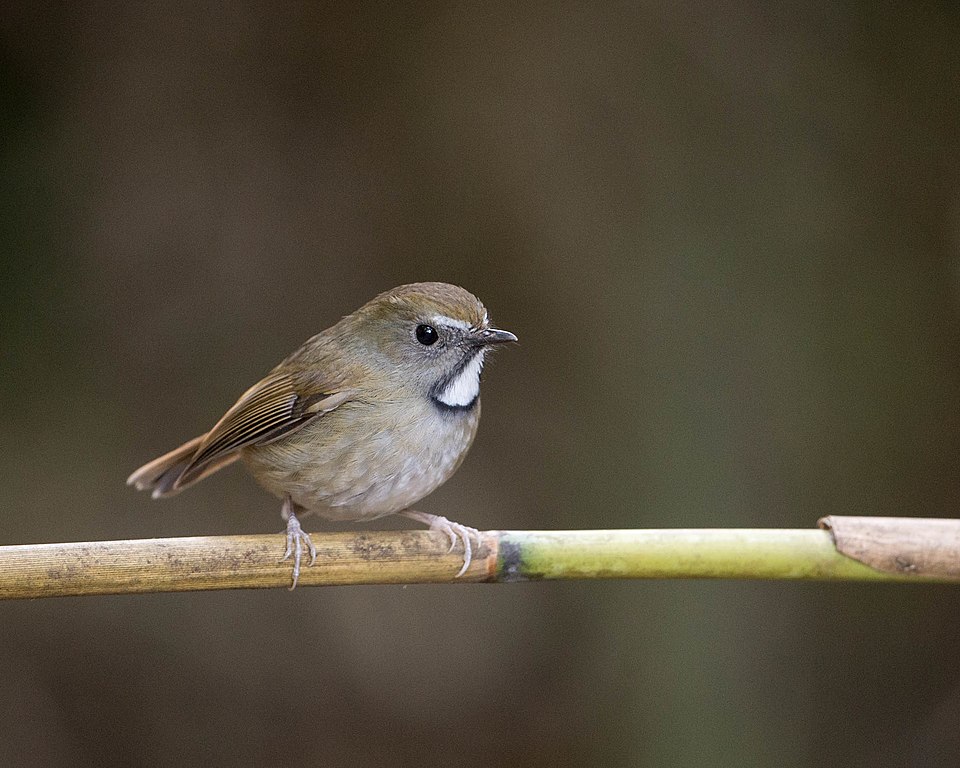
Sumba Flycatcher
Ficedula harterti
Order: Passeriformes / Family: Muscicapidae

Wikimedia Commons
About the Sumba Flycatcher
The Sumba Flycatcher, scientifically named Ficedula harterti, is an exclusive resident of Sumba Island, part of the Lesser Sunda Islands in Indonesia. This bird holds significant ecological importance as an indicator species for the island's forest health. Its presence underscores the uniqueness of Sumba's avian diversity, with the Sumba Flycatcher being one of the many species endemic to this region. Found primarily in the montane and lowland tropical forests, the Sumba Flycatcher thrives in habitats that offer dense foliage and a rich insect population. This flycatcher plays a crucial role in controlling insect populations, thus maintaining ecological balance. The Sumba Flycatcher displays distinct seasonal behaviors, with breeding typically occurring during the wet season from December to March, when insects are plentiful. During this time, the forests of Sumba resonate with their calls, as males establish territories and engage in courtship displays. Outside the breeding season, these birds may become less vocal but remain active in their forest habitats. Conservationists consider the Sumba Flycatcher vital for biodiversity studies due to its restricted range and specialized habitat requirements. The bird's dependence on intact forest ecosystems makes it vulnerable to habitat loss, primarily from illegal logging and agricultural expansion. Conservation efforts focus on protecting the remaining forest areas of Sumba to ensure the survival of this and other endemic species. As climate change continues to alter environmental conditions, understanding the Sumba Flycatcher's ecological role and adaptive strategies becomes increasingly important. The Sumba Flycatcher is also a symbol of the rich cultural heritage of Sumba, where local communities have developed traditional beliefs and practices around their native wildlife. This bird's vibrant presence in the forests is a reminder of the intricate connections between the natural world and human society on the island.
The Sumba Flycatcher belongs to the family Muscicapidae, within the order Passeriformes. These birds typically live usually 5-6 years, with some living up to 8 years..
How to Identify a Sumba Flycatcher
The Sumba Flycatcher is a small bird, measuring about 12 centimeters in length. Adult males exhibit a striking coloration with a deep blue upper body, contrasting with a bright orange breast and throat. The belly and undertail are white, providing a vivid contrast to the darker upper portions. Females, while less colorful, display a more subdued palette with brownish-gray upperparts and a pale orange wash on the breast. Juveniles resemble females but with even duller tones and a speckled pattern on the wings. The Sumba Flycatcher can be differentiated from similar species by its size and distinctive coloration. Unlike the broader Muscicapidae family, which includes a variety of flycatchers, the Sumba Flycatcher's coloration is unique to its restricted range. Its flight silhouette is characterized by quick, darting movements and a slightly rounded tail. When perched, this bird often sits upright on low branches, scanning for insects. The posture is typical of many flycatchers, but the Sumba Flycatcher’s vibrant plumage and specific habitat choices aid identification.
Having trouble telling birds apart? Upload a photo to our bird identification tool for an instant species match.
Sumba Flycatcher Habitat and Range
Preferred Habitat
The Sumba Flycatcher inhabits tropical montane and lowland forests on Sumba Island. These forests, rich in biodiversity, provide the ideal environment for the bird's foraging and nesting needs. The bird thrives in areas with dense undergrowth and abundant insect life, often found at elevations ranging from 200 to 1,200 meters. Seasonal habitat shifts are minimal, as the Sumba Flycatcher tends to remain within forested areas year-round, relying on the consistent availability of food. The bird is less frequently observed in urban or agricultural settings, highlighting its preference for undisturbed natural habitats.
Geographic Range
Endemic to Sumba Island in Indonesia, the Sumba Flycatcher does not migrate but remains within its limited range throughout the year. The island's tropical climate and diverse forest ecosystems provide a stable environment for the flycatcher. Population density is highest in areas with well-preserved forest cover, such as the Manupeu Tanah Daru and Laiwangi Wanggameti National Parks. The restricted range makes the Sumba Flycatcher vulnerable to habitat changes, emphasizing the importance of conservation efforts on Sumba Island.
Want to know which birds visit your area? Browse our backyard birds by location guides for region-specific species lists.
What Does the Sumba Flycatcher Eat?
The Sumba Flycatcher primarily feeds on insects, which it captures through agile sallying flights from perches. This foraging technique allows the bird to exploit a variety of insect prey, including beetles, flies, and caterpillars. During the breeding season, when insect populations peak, the bird’s diet remains consistent, although it may also consume small fruits and berries. The Sumba Flycatcher typically forages alone or in pairs, maintaining a regular feeding schedule throughout the day.
Sumba Flycatcher Behavior and Social Structure
The Sumba Flycatcher exhibits solitary or pair-based social behavior, particularly during the breeding season. Males establish territories through vocalizations and displays, deterring rivals and attracting mates. The bird's courtship displays involve fluttering flights and vocal calls, showcasing its vibrant plumage. Flocking behavior is rare, as the Sumba Flycatcher tends to remain territorial throughout the year. In response to predators, this flycatcher employs evasive flight maneuvers and utilizes dense foliage for cover. Its daily activity patterns involve active foraging during daylight hours, with a notable increase in vocalizations during the early morning and late afternoon.
Sumba Flycatcher Nesting and Reproduction
The Sumba Flycatcher constructs cup-shaped nests using grass, moss, and spider webs, positioning them in tree forks or dense bushes. Nesting sites are typically within forested areas, offering protection from predators. A typical clutch consists of 2-3 eggs, which both parents incubate over approximately two weeks. After hatching, the fledglings remain in the nest for another two weeks before fledging. Both parents share feeding responsibilities, ensuring the survival of their young. The Sumba Flycatcher generally raises one brood per year, timed with the peak insect abundance during the wet season.
Sumba Flycatcher Sounds and Vocalizations
The primary song of the Sumba Flycatcher is a series of melodious whistles and trills, with varying pitch and rhythm. This song serves both to establish territory and to attract mates during the breeding season. Call notes include short, sharp chirps, used for communication between mates and alerting to danger. The bird’s alarm calls are more rapid and high-pitched, signaling the presence of predators. During the dawn chorus, the Sumba Flycatcher’s song is particularly prominent, adding to the rich soundscape of Sumba's forests.
Interesting Facts About the Sumba Flycatcher
- 1The Sumba Flycatcher is one of over a dozen bird species endemic to Sumba Island, showcasing the island's unique biodiversity.
- 2Despite its small size, the Sumba Flycatcher plays a crucial role in controlling insect populations in its forest habitat.
- 3Researchers have used the Sumba Flycatcher as an indicator species to assess the health of Sumba’s forest ecosystems.
- 4The Sumba Flycatcher's vibrant coloration helps it stand out among the dense foliage of its forest home.
- 5Conservationists have identified the Sumba Flycatcher as a priority species for habitat protection efforts on Sumba Island.
- 6The bird’s restricted range makes it particularly vulnerable to habitat changes, highlighting the importance of local conservation initiatives.
- 7Sumba Flycatchers are rarely found in open fields or urban areas, preferring the dense cover of tropical forests.
Sumba Flycatcher Conservation Status
The Sumba Flycatcher is currently listed as Near Threatened by the IUCN due to its limited range and ongoing habitat loss. Deforestation for agriculture poses a significant threat, reducing the available habitat for this endemic species. Conservation efforts focus on preserving the remaining forest habitats on Sumba Island, with protected areas such as national parks playing a crucial role. Historical population changes remain challenging to track, but ongoing habitat degradation emphasizes the need for continued conservation actions.