
Taiga Flycatcher
Ficedula albicilla
Order: Passeriformes / Family: Muscicapidae

Wikimedia Commons
About the Taiga Flycatcher
The Taiga Flycatcher, scientifically known as Ficedula albicilla, is a small passerine bird renowned for its vibrant red throat patch, particularly prominent in males. It belongs to the family Muscicapidae and is a bird of the northern boreal forests. The species plays a significant role in controlling insect populations in its habitat, acting as a natural pest deterrent. Native to the vast taiga forests of central and eastern Siberia, the Taiga Flycatcher embarks on extensive migrations to wintering grounds in South and Southeast Asia, reaching as far as Thailand, India, and the Malay Peninsula. During migration, it utilizes various stopover sites, showcasing remarkable adaptability to diverse environments. In its breeding range, the Taiga Flycatcher inhabits coniferous forests interspersed with birch and willow trees. The dense foliage provides necessary cover and feeding grounds rich in insects. During the breeding season, this species exhibits territorial behaviors, with males vocalizing to defend their chosen territory and attract mates. As autumn approaches, the flycatchers begin their journey southward, guided by innate navigational skills honed over generations. Ecologically, the Taiga Flycatcher contributes to the balance of insect populations within its range, preying on various flying insects. Its presence indicates a healthy ecosystem, as it prefers undisturbed habitats with abundant insect life. The species' migratory patterns further enhance its ecological importance, as it aids in seed dispersal and pollination during its stopovers. Observers often note the bird's quick, darting flights as it captures prey mid-air, a testament to its agility and precision. The Taiga Flycatcher's seasonal movements and behaviors underscore the intricate connections within ecosystems, highlighting the importance of preserving both breeding and wintering habitats to support its life cycle.
The Taiga Flycatcher belongs to the family Muscicapidae, within the order Passeriformes. These birds typically live average 4 years with a maximum recorded of 7 years..
How to Identify a Taiga Flycatcher
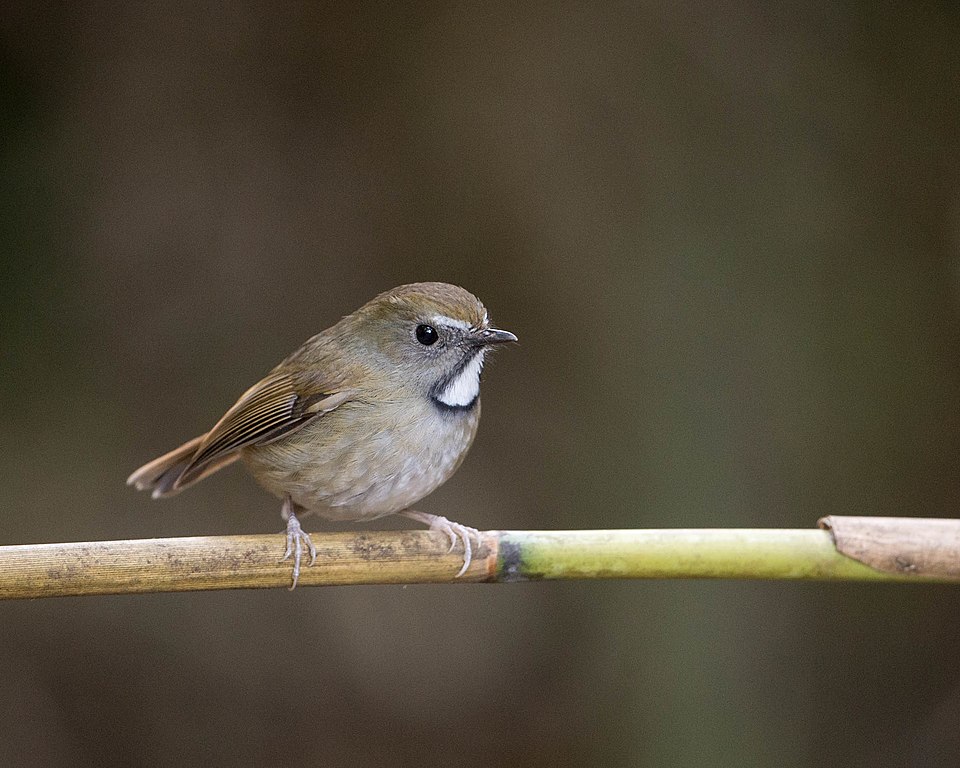
The Taiga Flycatcher, distinguishable by its small size and slender build, exhibits a characteristic red throat patch in males, contrasting sharply with its otherwise pale plumage. Adult males display grayish-brown upperparts and a white underbelly, with the red throat being a distinguishing feature during the breeding season. Females and juveniles, however, lack the vibrant red throat, instead showing a more subdued brown and gray palette, which aids in camouflage within their forested habitats. Both sexes have a distinctive white wing bar, a useful field mark when the bird is in flight or perched. Juveniles resemble females but can be differentiated by their slightly streaked underparts and a more pronounced buffy appearance. When comparing the Taiga Flycatcher to similar species, the Red-breasted Flycatcher comes to mind. However, the latter typically has a more extensive red coloration on the throat and breast. In flight, the Taiga Flycatcher presents a compact silhouette with rapid, fluttering wingbeats, making it easily recognizable once familiar with its mannerisms. Its perching posture often involves an upright stance, accentuating its alertness and readiness to sally forth in pursuit of insects.
Having trouble telling birds apart? Upload a photo to our bird identification tool for an instant species match.
Taiga Flycatcher Habitat and Range
Preferred Habitat
The Taiga Flycatcher thrives in the lush coniferous forests of the taiga biome, preferring habitats that feature a mix of spruce, pine, and birch trees. These forests, spanning across Siberia, provide ample cover and a rich feeding ground. The bird is typically found at elevations ranging from lowland forests up to montane regions, adapting to the dense canopy and open glades. During migration, the Taiga Flycatcher exhibits versatility in habitat selection, utilizing a variety of environments such as woodland edges, plantations, and even urban parks. In its wintering grounds, it frequents subtropical forests, mangroves, and coastal scrublands, showcasing its ability to adapt to different flora and fauna. Seasonal shifts in habitat are primarily driven by food availability, with the flycatcher seeking out insect-rich areas that support its energetic lifestyle.
Geographic Range
The Taiga Flycatcher breeds across a vast range in central and eastern Siberia, extending from the Ural Mountains to the Pacific coast. During the breeding season, these birds are concentrated in the boreal forests of Russia. As autumn approaches, they embark on their migratory journey, traversing through Asia to reach their wintering grounds in South and Southeast Asia, including countries such as India, Bangladesh, Thailand, and Malaysia. Along their migration routes, these birds utilize stopover sites in China and Nepal, where they rest and refuel. The wintering range often overlaps with that of the Red-breasted Flycatcher, particularly in India, leading to potential confusion in identification. Population densities are generally higher in the core breeding areas, where suitable habitat conditions prevail, and dispersed in wintering regions, where they integrate with local bird communities.
Want to know which birds visit your area? Browse our backyard birds by location guides for region-specific species lists.
What Does the Taiga Flycatcher Eat?
The diet of the Taiga Flycatcher primarily consists of insects and other small invertebrates. This bird exhibits an opportunistic feeding strategy, adeptly capturing prey mid-flight with agile maneuvers. Common prey items include flies, gnats, beetles, and caterpillars, which provide necessary protein and energy. During the breeding season, the consumption of insects is crucial for raising young, as the protein demands of growing chicks are substantial. In winter, the flycatcher's diet may diversify slightly to include small berries or seeds, especially when insect populations are lower. The Taiga Flycatcher employs a sit-and-wait foraging technique, perching quietly before launching quick sallies to snatch prey from the air. This method allows the bird to conserve energy while remaining vigilant for passing insects. Feeding activity peaks during dawn and dusk when insect activity is highest.
Taiga Flycatcher Behavior and Social Structure
Taiga Flycatchers exhibit a solitary and territorial nature during the breeding season, with males fiercely defending their territories through vocalizations and displays. Courtship involves males performing aerial displays and singing to attract females, showcasing their agility and strength. Once paired, the male and female work closely to rear their young. Outside the breeding season, these birds become less territorial and may form loose flocks during migration, benefiting from the safety in numbers strategy. Their migratory behavior is highly synchronized, with large numbers departing simultaneously in response to environmental cues. The Taiga Flycatcher remains active throughout the day, with peak activities occurring in the early morning and late afternoon. In response to predators, these birds employ evasive maneuvers, utilizing their agile flight to escape. Alarm calls serve as a warning to conspecifics, alerting them to potential threats.
Taiga Flycatcher Nesting and Reproduction
The Taiga Flycatcher typically constructs its nest in a well-hidden location, often in a natural cavity or a sheltered niche within a tree. Nest materials include grass, moss, feathers, and spider silk, providing a soft and camouflaged environment for the eggs. Clutch sizes range from four to six eggs, with females primarily responsible for incubation, which lasts about 12-14 days. During this period, the male may assist by feeding the female and defending the territory. Once hatched, both parents participate in feeding the chicks, bringing a steady supply of insects to the nest. The fledging period lasts approximately 12-15 days, after which the young birds continue to be supported by their parents for a short duration. Typically, the Taiga Flycatcher raises one brood per year, although favorable conditions may allow for a second.
Taiga Flycatcher Sounds and Vocalizations
The Taiga Flycatcher's primary song is a series of melodious whistles and trills, often described as a cheerful and fluid melody. This song serves to establish territory and attract mates during the breeding season. Call notes are short and sharp, used for communication between mates or as an alarm signal. These calls can be likened to a 'tek-tek' sound, particularly during interactions with rivals or threats. During the dawn chorus, the Taiga Flycatcher contributes its song to the symphony of the forest, its voice carrying over considerable distances. The bird's vocal repertoire plays a crucial role in its social interactions and territorial behaviors.
Interesting Facts About the Taiga Flycatcher
- 1The Taiga Flycatcher can travel thousands of kilometers during its migration from Siberia to Southeast Asia.
- 2Despite its small size, the Taiga Flycatcher is a formidable predator of flying insects, capturing them mid-air with precision.
- 3This species was once considered a subspecies of the Red-breasted Flycatcher but is now recognized as distinct based on vocal and morphological differences.
- 4Males use their bright red throat patch as a visual cue in territorial disputes and courtship displays.
- 5The Taiga Flycatcher is often observed in mixed-species foraging flocks during migration, benefiting from cooperative vigilance against predators.
Taiga Flycatcher Conservation Status
Currently, the Taiga Flycatcher holds a status of Least Concern on the IUCN Red List, reflecting a stable population trend. However, habitat loss due to deforestation and land conversion poses significant threats to its breeding and wintering grounds. Conservation efforts focus on preserving the boreal forests and protecting migration corridors. Historical data suggest fluctuations in population sizes, often correlated with changes in habitat availability and climate conditions. Ongoing monitoring and research are essential to ensure the continued stability of the Taiga Flycatcher population in the face of environmental challenges.
Other Muscicapidae Species


Birds Similar to the Taiga Flycatcher
These species are often confused with the Taiga Flycatcher due to similar appearance or overlapping range.

