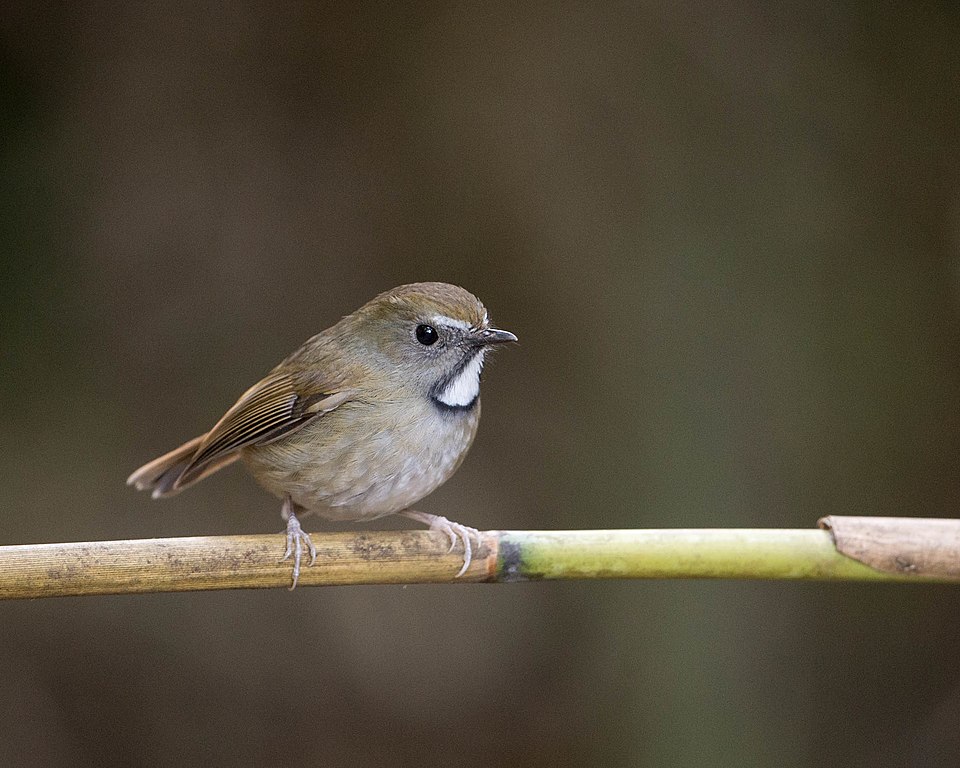
Tanahjampea Blue Flycatcher
Cyornis djampeanus
Order: Passeriformes / Family: Muscicapidae

Wikimedia Commons
About the Tanahjampea Blue Flycatcher
The Tanahjampea Blue Flycatcher, Cyornis djampeanus, is a captivating bird species found exclusively on the island of Tanahjampea, part of the Selayar Islands in Indonesia. This flycatcher is a member of the Muscicapidae family, a large family of small passerine birds known for their agile flight and insectivorous diet. The bird’s distinct blue coloration, particularly prominent in males, makes it a remarkable sight against the lush green backdrop of its forested habitat. The species is significant not only for its vibrant appearance but also for its restricted range, being an island endemic. This highlights its importance in terms of biodiversity and conservation. Within its limited geographic range, the Tanahjampea Blue Flycatcher plays a crucial ecological role. As an insectivore, it helps control insect populations, contributing to the balance of the local ecosystem. The bird typically inhabits subtropical or tropical moist lowland forests, thriving in the dense undergrowth where it can forage effectively. Seasonally, the Tanahjampea Blue Flycatcher does not exhibit the extensive migratory patterns seen in many other bird species. Instead, it remains within its limited range throughout the year. The island's consistent climate allows it to maintain a stable presence without the need for long-distance migration. However, it does display some seasonal behavior changes, such as increased vocal activity during the breeding season, which helps in defining territory and attracting mates. The Tanahjampea Blue Flycatcher is an integral part of the island's avian community. Its presence indicates healthy forest ecosystems, which are essential for the myriad of species that coexist in this biodiverse region. As such, the bird serves as both a symbol and sentinel of the ecological health of its habitat.
The Tanahjampea Blue Flycatcher belongs to the family Muscicapidae, within the order Passeriformes. These birds typically live average 5-7 years, with a max recorded of 10 years.
How to Identify a Tanahjampea Blue Flycatcher
Identifying the Tanahjampea Blue Flycatcher in the field involves noting several key features. Adult males boast a brilliant blue plumage that covers their head, back, and wings, making them stand out vividly in their forest habitat. This blue contrasts with the paler underparts, which range from white to light gray. In contrast, females exhibit a more subdued coloration with a mix of brownish hues on the upperparts and duller blue tones. Juveniles resemble females but with even less pronounced coloration, often appearing mottled as they transition to adult plumage. Differentiating between the sexes is straightforward due to the stark contrast in coloration, with males being notably more vibrant. The Tanahjampea Blue Flycatcher's flight silhouette is characterized by its medium size and relatively short tail, which it often flicks while perching. Its posture is typically upright, a common trait among flycatchers, which aids in spotting and capturing prey. While in flight, the bird's agile movements and quick, direct flight pattern are evident. Confusion with similar species is unlikely due to its unique range, but it may superficially resemble other blue flycatchers if observed outside its usual habitat. However, its restricted location makes such misidentification rare.
Having trouble telling birds apart? Upload a photo to our bird identification tool for an instant species match.
Tanahjampea Blue Flycatcher Habitat and Range
Preferred Habitat
The Tanahjampea Blue Flycatcher thrives in the tropical moist lowland forests of Tanahjampea Island. These forests provide a rich tapestry of dense undergrowth and canopy cover, essential for the bird's foraging and breeding activities. The species is predominantly found at low elevations, typically below 500 meters, where the humidity and temperature remain relatively stable year-round. While it occupies primary forest, it can also adapt to secondary growth areas, provided the vegetation density supports its needs. Unlike many bird species, the Tanahjampea Blue Flycatcher does not migrate or exhibit significant seasonal habitat shifts. Its presence is largely confined to rural forested areas, and it is rarely, if ever, encountered in urban environments. This preference for undisturbed forest habitats makes the flycatcher particularly susceptible to habitat loss due to deforestation and human encroachment.
Geographic Range
The Tanahjampea Blue Flycatcher has a highly restricted range, being endemic to Tanahjampea Island in the Selayar Islands, part of Indonesia's Sulawesi region. The island spans approximately 600 square kilometers, providing a relatively small area for the bird's population. There are no known migratory patterns for this species, as it remains resident on the island throughout the year. This limited distribution means the flycatcher does not traverse vast regions or countries as many migratory birds do. Population densities tend to be highest in areas where the forest is least disturbed, indicating a preference for pristine habitats. Due to its confined range, the bird's conservation status is of particular concern, as any changes to its environment can have dramatic impacts on its survival.
Want to know which birds visit your area? Browse our backyard birds by location guides for region-specific species lists.
What Does the Tanahjampea Blue Flycatcher Eat?
The diet of the Tanahjampea Blue Flycatcher primarily consists of insects, which it skillfully captures in flight or gleans from foliage. Its foraging technique is characteristic of flycatchers, involving quick sallies from a perch to snatch unsuspecting prey mid-air. Common prey items include beetles, flies, and caterpillars, with the bird showing a particular preference for winged insects during the breeding season. This dietary focus on insects remains consistent throughout the year, although the availability of specific prey types may vary seasonally. The flycatcher often feeds during the cooler parts of the day, such as early morning and late afternoon, taking advantage of increased insect activity during these times. Its role as an insectivore makes it an important natural pest controller within its ecosystem.
Tanahjampea Blue Flycatcher Behavior and Social Structure
The Tanahjampea Blue Flycatcher exhibits a range of behaviors typical of the Muscicapidae family. It is primarily solitary, with pairs forming only during the breeding season. Territorial behavior is pronounced, with males defending their chosen area through song and physical displays. Courtship involves a series of aerial displays by the male, designed to impress the female. These displays are accompanied by vocalizations that serve both to attract a mate and to deter rival males. Flocking behavior is uncommon, as this species tends to maintain solitary or pair-based interactions outside the breeding season. In terms of predator response, the Tanahjampea Blue Flycatcher relies on its agility to evade threats, often retreating to dense undergrowth when alarmed. Daily activity patterns are diurnal, with peak activity occurring during the cooler parts of the day. Its behavior is adapted to maximize foraging success while minimizing exposure to predators.
Tanahjampea Blue Flycatcher Nesting and Reproduction
Nesting for the Tanahjampea Blue Flycatcher involves constructing a cup-shaped nest, typically placed in a fork of a tree or shrub. The nest is crafted from twigs, leaves, and moss, providing camouflage within the forest environment. Preferred nesting sites are within dense vegetation, offering protection from predators and harsh weather conditions. Clutch size generally consists of two to four eggs, which are incubated primarily by the female. The incubation period lasts approximately two weeks, after which the altricial chicks hatch and remain in the nest for another two to three weeks. Both parents participate in feeding the chicks, ensuring a steady supply of insects. The species usually raises one or two broods per year, depending on environmental conditions and food availability.
Tanahjampea Blue Flycatcher Sounds and Vocalizations
The Tanahjampea Blue Flycatcher is known for its melodious song, which features a series of clear, sweet notes delivered in a rhythmic pattern. The pitch is high, and the quality is flute-like, often described as similar to the call of a distant whistle. In addition to its primary song, the flycatcher emits various call notes, including a sharp 'chip' sound used in communication between mates or to signal alarm. During the dawn chorus, males are particularly vocal, establishing territory and attracting mates with their persistent singing. Alarm calls are sharper and more urgent, providing a warning to nearby birds of potential threats.
Interesting Facts About the Tanahjampea Blue Flycatcher
- 1The Tanahjampea Blue Flycatcher is one of the few bird species found only on Tanahjampea Island, highlighting its unique evolution.
- 2Despite its bright blue plumage, the Tanahjampea Blue Flycatcher can be surprisingly elusive, often hidden within dense foliage.
- 3This flycatcher plays a critical role in controlling insect populations, showcasing its importance in the island's ecosystem.
- 4The bird's song, reminiscent of a distant flute, can be heard echoing through the forest during early mornings.
- 5The Tanahjampea Blue Flycatcher was first described scientifically in the early 20th century, reflecting its relatively recent discovery.
Tanahjampea Blue Flycatcher Conservation Status
The Tanahjampea Blue Flycatcher is currently classified as Near Threatened by the IUCN, with its population trend showing signs of decline. The primary threat facing this species is habitat loss due to deforestation and agricultural expansion on Tanahjampea Island. Conservation efforts focus on protecting the remaining forested areas and promoting sustainable land-use practices. Historical data indicates that the population was once more robust, but increased human activity has led to significant habitat fragmentation. Continued monitoring and habitat protection are essential to prevent further declines and ensure the survival of this unique island endemic.