
Tanimbar Flycatcher
Ficedula riedeli
Order: Passeriformes / Family: Muscicapidae

Wikimedia Commons
About the Tanimbar Flycatcher
The Tanimbar Flycatcher, scientifically named Ficedula riedeli, is an intriguing species of songbird that belongs to the Muscicapidae family. Native exclusively to the Tanimbar Islands in Indonesia, this bird is a prime example of island endemism, showcasing a unique evolutionary path distinct from mainland relatives. The Tanimbar Flycatcher thrives in the tropical lowland forests and moist montane environments of the islands, playing a critical role in the local ecosystem as both predator and prey.
In terms of ecological significance, the Tanimbar Flycatcher serves as an important insect control agent. By consuming a variety of insects, it helps maintain the ecological balance of the forest. This species also acts as a prey item for larger raptors, thus forming a vital link in the food chain. Its presence in the Tanimbar Islands indicates a healthy forest ecosystem, as the bird requires undisturbed habitats for breeding and feeding.
The Tanimbar Flycatcher displays seasonal behaviors that align with the climatic patterns of its habitat. During the breeding season, which coincides with the wetter months, males often engage in elaborate courtship displays to attract females. Outside of this period, the flycatcher maintains a less conspicuous presence, focusing on foraging and territory maintenance. As an island endemic, its entire life cycle unfolds within the confines of the Tanimbar Islands, underscoring the need for habitat preservation to ensure its continued survival.
The Tanimbar Flycatcher belongs to the family Muscicapidae, within the order Passeriformes. These birds typically live average 3-5 years, with a maximum recorded of 8 years.
How to Identify a Tanimbar Flycatcher
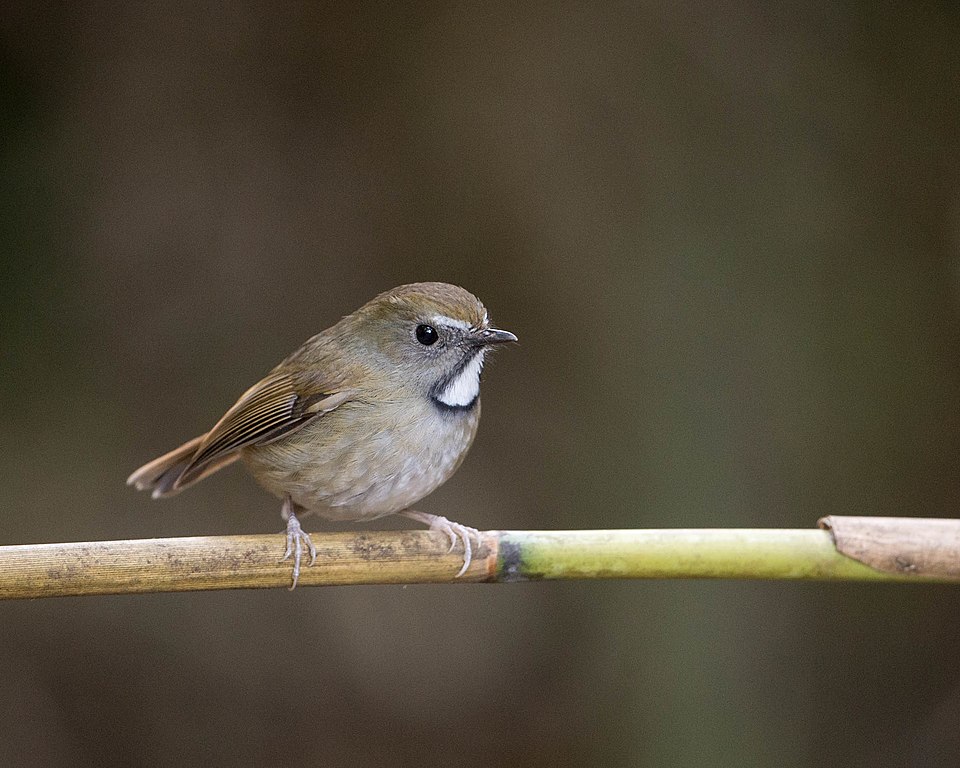
The Tanimbar Flycatcher is easily recognized by its striking blue-gray plumage, which covers most of its body. Adults sport a conspicuous white throat patch that contrasts with their darker head and back, a field mark that sets them apart from similar species. Juveniles, on the other hand, exhibit a more subdued coloration with brownish tones and less pronounced throat patches, gradually acquiring the adult plumage as they mature.
Males and females of the species appear similar, but males often exhibit slightly brighter and more vibrant coloration, particularly during the breeding season. This subtle sexual dimorphism can aid in distinguishing genders during field observations. The flycatcher’s small size, typically ranging from 12 to 14 centimeters in length, makes it an agile and efficient insect hunter.
In flight, the Tanimbar Flycatcher presents a compact silhouette with rapid wing beats. When perched, its posture is upright, often observed on thin branches or twigs where it surveys for insect prey. Birdwatchers may confuse this species with other island flycatchers, but the distinct throat patch and overall coloration usually provide reliable identification markers.
Having trouble telling birds apart? Upload a photo to our bird identification tool for an instant species match.
Tanimbar Flycatcher Habitat and Range
Preferred Habitat
The Tanimbar Flycatcher predominantly inhabits the tropical lowland and montane forests of the Tanimbar Islands. These regions provide the dense canopy and rich insect life essential for the bird’s survival. The flycatcher favors areas with a mix of dense foliage and open spaces, which facilitate its hunting style.
Elevation plays a role in its habitat preference, with the species found from sea level up to montane regions. While largely a forest-dwelling bird, the Tanimbar Flycatcher can occasionally be observed in secondary growth and edge habitats, though it avoids heavily disturbed areas and urban environments.
Seasonal habitat shifts are minimal due to the stable climate of its island home. However, slight movements may occur within the islands as individuals seek optimal breeding or foraging sites. Conservation of forested areas is crucial, given the bird’s reliance on these ecosystems.
Geographic Range
The range of the Tanimbar Flycatcher is limited to the Tanimbar Islands, an Indonesian archipelago located in the Arafura Sea. This geographical confinement makes the species an island endemic, with its entire lifecycle occurring within this specific region.
The Tanimbar Islands comprise several islands, but the flycatcher is most commonly found on Yamdena, the largest island, where forest habitats are most extensive. Population densities vary, with higher concentrations in undisturbed forest areas where resources are abundant.
The flycatcher does not engage in long-distance migration, nor does it exhibit significant dispersal patterns beyond its native islands. This localized range underscores the importance of protecting its habitat to prevent population declines.
Want to know which birds visit your area? Browse our backyard birds by location guides for region-specific species lists.
What Does the Tanimbar Flycatcher Eat?
The Tanimbar Flycatcher primarily feeds on insects, making it an agile and adept insectivore. Its diet consists of a variety of flying insects, including flies, beetles, and moths, which it captures in mid-air using its acrobatic flight skills.
During the wetter months, when insect populations surge, the Tanimbar Flycatcher capitalizes on this abundance, increasing its foraging activity. It employs a sit-and-wait strategy, perching quietly before darting out to snatch unsuspecting prey. This technique not only conserves energy but also increases its success rate in capturing fast-moving insects.
Occasionally, the flycatcher supplements its insect diet with small fruits or seeds, although such instances are rare and typically occur when insect availability is low. Feeding primarily occurs during daylight hours, with peak activity in the cooler hours of morning and late afternoon.
Tanimbar Flycatcher Behavior and Social Structure
The Tanimbar Flycatcher is predominantly a solitary bird outside of the breeding season, maintaining and defending its territory vigorously. During the breeding season, pairs form and engage in cooperative nesting and rearing of young. Courtship displays are an integral part of its behavioral repertoire, with males performing aerial displays and singing to attract mates.
Territorial disputes are common, especially during the breeding period, with males frequently engaging in vocalizations and posturing to ward off intruders. While generally solitary, the flycatcher may join mixed-species foraging flocks, particularly in regions where insect abundance is high.
The bird exhibits a strong diurnal pattern of activity, dedicating the daylight hours to foraging and territory defense, while seeking sheltered roosts at night. In response to predators, the flycatcher relies on its agility to evade capture, often taking refuge in dense foliage.
Tanimbar Flycatcher Nesting and Reproduction
The nesting habits of the Tanimbar Flycatcher are closely tied to the forested environments of its island habitat. This species constructs cup-shaped nests using fine grasses, rootlets, and spider webs, typically placing them in the fork of a tree branch or within dense foliage to conceal them from predators.
Clutch size generally ranges from two to three eggs, with both parents involved in the incubation process, which lasts approximately 12 to 14 days. After hatching, both parents continue to share responsibilities, feeding the chicks a steady diet of insects and ensuring their safety.
Fledging occurs about two weeks after hatching, and the young birds remain under parental care until they are fully independent. The Tanimbar Flycatcher usually raises one brood per year, though favorable conditions can occasionally lead to a second brood.
Tanimbar Flycatcher Sounds and Vocalizations
The Tanimbar Flycatcher's song is a series of sharp, melodious notes delivered in rapid succession. Each phrase typically consists of a few high-pitched whistles followed by softer, more intricate warbles, creating a complex and varied soundscape.
Call notes are short and sharp, often used in communication between mates or as an alarm signal when predators are nearby. During the dawn chorus, the male's vocalizations become more pronounced and frequent, contributing to the vibrant tapestry of morning sounds in the forest.
The alarm calls of the Tanimbar Flycatcher are noticeably harsher and more insistent, designed to alert conspecifics and other species to potential threats. These vocalizations play a crucial role in the bird’s survival, facilitating communication and coordination among individuals.
Interesting Facts About the Tanimbar Flycatcher
- 1The Tanimbar Flycatcher is entirely confined to the Tanimbar Islands, showcasing a remarkable example of island endemism.
- 2This species exhibits a striking blue-gray plumage with a distinct white throat, setting it apart from many other flycatchers.
- 3Despite its small size, the Tanimbar Flycatcher plays a crucial role in controlling insect populations within its habitat.
- 4The bird's entire range is restricted to an area smaller than 8,000 square kilometers, highlighting its vulnerability to habitat changes.
- 5Tanimbar Flycatchers are known for their acrobatic foraging techniques, often catching insects in mid-air with impressive agility.
- 6The species demonstrates a strong territorial behavior, especially during the breeding season, defending its patch fiercely.
- 7Both male and female Tanimbar Flycatchers share parental duties, from incubation to fledging, ensuring the survival of their young.
Tanimbar Flycatcher Conservation Status
The Tanimbar Flycatcher currently holds a status of Least Concern according to the IUCN Red List, with populations believed to be stable. However, habitat destruction poses a significant long-term threat to this species. Deforestation for agriculture and logging reduces available habitat, potentially impacting population numbers in the future. Conservation efforts focus on protecting the remaining forested areas of the Tanimbar Islands. Local conservation initiatives aim to balance human development with habitat preservation, ensuring the continued survival of the Tanimbar Flycatcher and other endemic species. Historical data on population changes are limited due to the bird's restricted range, but ongoing monitoring and research are crucial for early detection of any negative trends.
Other Muscicapidae Species


Birds Similar to the Tanimbar Flycatcher
These species are often confused with the Tanimbar Flycatcher due to similar appearance or overlapping range.

