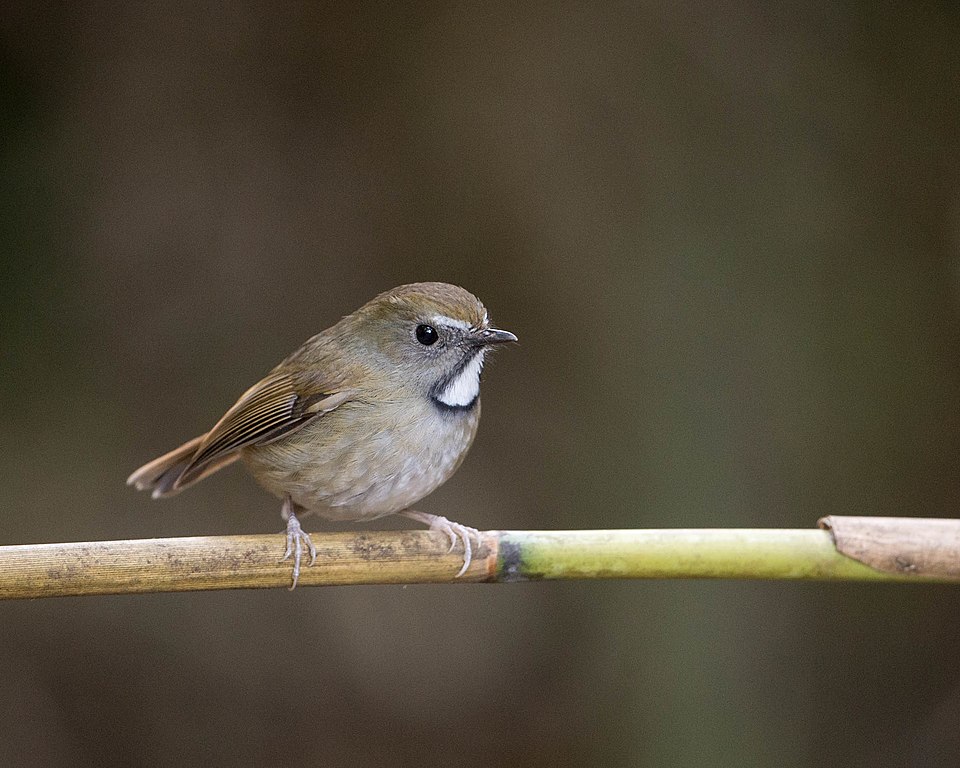
Ultramarine Flycatcher
Ficedula superciliaris
Order: Passeriformes / Family: Muscicapidae

Wikimedia Commons
About the Ultramarine Flycatcher
The Ultramarine Flycatcher, known scientifically as Ficedula superciliaris, is a captivating small passerine bird found predominantly in the Himalayan region. This species is celebrated for its striking cobalt-blue upperparts and bright white underparts, making it a visual standout in its natural habitat. The bird primarily inhabits temperate and subtropical forests, thriving in areas with dense foliage that provide ample insect prey and cover from predators. Its range extends across countries such as India, Nepal, Bhutan, and parts of China, where it occupies altitudes typically between 1,500 to 3,500 meters during the breeding season. The Ultramarine Flycatcher plays a significant ecological role as an insectivore, helping control insect populations within its ecosystem. During the breeding season, it is particularly active, often engaging in elaborate aerial displays to attract mates and assert territorial boundaries. Seasonal behavior shifts are evident as the species migrates to lower altitudes and warmer climates during the winter months, showcasing remarkable adaptability to changing environments. The bird's presence is a positive indicator of forest health and biodiversity, underscoring its ecological importance.
The Ultramarine Flycatcher belongs to the family Muscicapidae, within the order Passeriformes. These birds typically live typically 5-6 years, with some individuals living up to 8 years..
How to Identify a Ultramarine Flycatcher
Identifying the Ultramarine Flycatcher involves noting its definitive coloration and markings. Adult males exhibit a vivid ultramarine blue on the head, back, and upper wings, contrasting sharply with their white underparts. A distinctive feature includes a blue band across the chest. Females, while less vibrant, display a more subdued blue-gray coloration with paler undersides, allowing for gender differentiation. Juveniles resemble females but with even less pronounced blue tones and more brownish tinges, making them harder to distinguish. When perched, the bird maintains an upright posture, which, along with its coloring, aids in field identification. In flight, its small, agile silhouette and rapid wingbeats are characteristic. While similar species like the Verditer Flycatcher share the blue hue, the Ultramarine Flycatcher can be distinguished by its contrasting white belly and blue chest band.
Having trouble telling birds apart? Upload a photo to our bird identification tool for an instant species match.
Ultramarine Flycatcher Habitat and Range
Preferred Habitat
The Ultramarine Flycatcher favors forested environments, particularly dense, moist deciduous and mixed coniferous forests. They thrive in regions with abundant insect life and are typically found at elevations ranging from 1,500 to 3,500 meters. During winter, they descend to subtropical forests and occasionally semi-urban areas, indicating some adaptability to human-altered landscapes. Although primarily forest dwellers, these flycatchers can sometimes be spotted in wooded suburban gardens, especially during migration periods. Their preference for habitat with rich canopy cover supports their insectivorous diet and provides necessary shelter.
Geographic Range
Breeding predominantly occurs in the Himalayan region, stretching across northern India, Nepal, Bhutan, and southern Tibet. During winter, the Ultramarine Flycatcher migrates to lower altitudes and can be found in the foothills of the Himalayas and as far south as central India. Migration corridors are primarily east-west along the Himalayan slopes. Populations are denser in well-protected forest reserves where suitable habitats are abundant. While their exact population size is not comprehensively documented, they are generally considered locally common within their preferred habitats.
Want to know which birds visit your area? Browse our backyard birds by location guides for region-specific species lists.
What Does the Ultramarine Flycatcher Eat?
The Ultramarine Flycatcher primarily feeds on a variety of insects, which include beetles, flies, and caterpillars, catering to their high-protein demands. Insect abundance dictates feeding strategies, with peak activity in the early morning and late afternoon when insect activity is heightened. They employ a 'sallying' technique, where the bird darts from a perch to catch insects mid-air. Seasonal diet shifts occur as they exploit different insect populations throughout the year. Occasionally, they may consume berries, supplementing their diet with available fruits during scarce insect periods.
Ultramarine Flycatcher Behavior and Social Structure
Ultramarine Flycatchers are primarily solitary or found in pairs, especially during the breeding season. Males establish territories through song and flight displays, often engaging in aerial chases to ward off intruders. Courtship involves males performing intricate flight patterns and singing to attract females. Outside the breeding season, these flycatchers may join mixed-species flocks, benefiting from group foraging. Their response to predators includes alarm calls and evasive maneuvers. Daily activities are governed by foraging needs, with peak activity during cooler parts of the day.
Ultramarine Flycatcher Nesting and Reproduction
Nesting begins in late spring, with the Ultramarine Flycatcher favoring cavities in tree trunks or crevices in rocky outcrops for nesting sites. They construct their nests from moss, lichen, and feathers, creating a soft, insulated environment. Clutch sizes typically range from 3 to 5 eggs, with an incubation period of about 14 days. Both parents share incubation duties, although the female primarily takes this role. After hatching, fledging occurs within two weeks, with both parents involved in feeding and protecting the young. Typically, they may raise two broods per year.
Ultramarine Flycatcher Sounds and Vocalizations
The song of the Ultramarine Flycatcher is a melodious series of whistles and trills, often described as cheerful and lively. These sequences serve as territorial markers and courtship displays. Alarm calls are sharp and distinct, used to alert mates and deter predators. Dawn choruses are particularly vibrant during the breeding season, with males singing persistently at first light to establish dominance and attract females. Their vocal repertoire, while not extensive, is characterized by its clarity and pleasant tonality.
Interesting Facts About the Ultramarine Flycatcher
- 1The Ultramarine Flycatcher migrates over 500 miles between its breeding and wintering grounds annually.
- 2Males sing over a dozen distinct song variations to attract mates and establish territory.
- 3The species is one of the few flycatchers that adapt well to semi-urban environments during migration.
- 4Ultramarine Flycatchers can consume nearly 1,000 insects in a single day during peak feeding times.
- 5They have a unique flight style, characterized by quick, erratic movements to catch prey.
- 6Ficedula superciliaris is one of the smallest flycatchers, measuring just about 11-12 cm in length.
- 7Their vivid blue coloration is due to light scattering in feather structures, not pigments.
Ultramarine Flycatcher Conservation Status
Currently classified as Least Concern by the IUCN, the Ultramarine Flycatcher benefits from a relatively stable population. However, deforestation and habitat degradation pose potential threats to their habitats. Conservation efforts focus on preserving forest ecosystems in the Himalayan range and promoting sustainable forestry practices. Historically, population shifts correlate with changes in forest cover, underscoring the importance of habitat conservation. Ongoing monitoring is essential to ensure long-term viability.