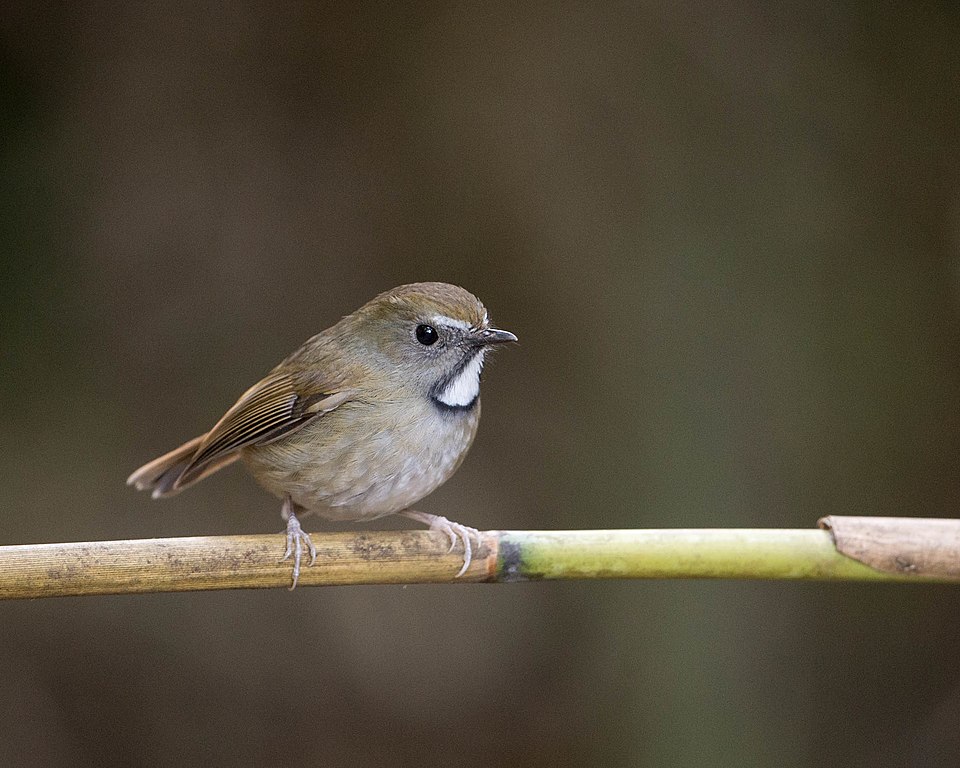
White-winged Redstart
Phoenicurus erythrogastrus
Order: Passeriformes / Family: Muscicapidae

Wikimedia Commons
About the White-winged Redstart
The White-winged Redstart, Phoenicurus erythrogastrus, captivates birdwatchers with its vibrant coloration and dynamic presence in its native habitats. This species, a member of the Muscicapidae family, thrives across the mountainous regions of Central Asia, particularly within the rugged terrains of the Tien Shan and the Pamirs. Its presence is a marker of ecological balance, as the bird plays a vital role in insect population control. The White-winged Redstart is primarily found in alpine meadows and open woodland areas during the breeding season, which runs from May to August. During this time, males are most active, displaying their striking plumage to attract females and establish territories. As autumn approaches, these birds migrate to lower elevations, often settling in semi-desert areas or cultivated lands for the winter. Their movement between different habitats highlights their adaptability and the critical ecological niches they occupy. The White-winged Redstart's ecological role extends beyond pest control, as they also contribute to seed dispersal through their varied diet, which includes berries and other plant matter. Their presence can indicate healthy, biodiverse environments, and they are often studied as part of conservation efforts aimed at preserving the unique ecosystems of Central Asia. Seasonal behaviors of the White-winged Redstart include pronounced territorial actions during the breeding season, with males singing robustly from prominent perches to warn rivals and woo potential mates. In winter, they become more solitary or form loose flocks as they seek food and shelter. The bird's migratory patterns and adaptability to different environments underscore its importance as an indicator species for habitat health and biodiversity in the regions it inhabits.
The White-winged Redstart belongs to the family Muscicapidae, within the order Passeriformes. These birds typically live average 5 years, with a maximum recorded of 7 years..
How to Identify a White-winged Redstart
The White-winged Redstart is easily recognized by its vivid chestnut-red underparts and striking white wing patches, features that distinguish it from other redstarts. Adult males boast a glossy black head and back, creating a sharp contrast with their fiery belly and white wing markings. Females, while more subdued, display a similar pattern with a browner tone and less pronounced wing patches. Juveniles resemble females but with mottled gray-brown plumage, providing them with effective camouflage. In flight, the bird's distinctive white flashes on the wings are unmistakable, offering a key identifier for birders. Perched, the male’s bold black and red coloration stands out, while their upright posture and frequent tail flicking add to their charisma. When comparing to similar species, such as the Common Redstart, the White-winged Redstart's lack of a white forehead and more expansive white wing markings help distinguish it.
Having trouble telling birds apart? Upload a photo to our bird identification tool for an instant species match.
White-winged Redstart Habitat and Range
Preferred Habitat
The White-winged Redstart predominantly inhabits alpine meadows, open woodlands, and shrublands at elevations ranging from 2,000 to 4,000 meters. These birds favor regions with sparse vegetation and rocky outcrops, which provide ample perches for singing and displaying. During the winter months, they descend to semi-desert areas and cultivated lands, demonstrating their ability to adapt to various environments. In rural settings, they are often found near human settlements, taking advantage of gardens and orchards for food and shelter. However, they are less common in urban environments, preferring the tranquility and resources provided by more natural landscapes.
Geographic Range
The breeding range of the White-winged Redstart stretches across Central Asia, encompassing countries such as Kazakhstan, Kyrgyzstan, Tajikistan, and western China. Within these regions, they are primarily found in mountain ranges like the Tien Shan and Pamirs. As the seasons change, they migrate south and west to winter in areas such as northern Pakistan, eastern Afghanistan, and parts of western China. Their migratory routes follow well-established corridors through mountain passes and valleys, providing safe passage between breeding and wintering grounds. Population density tends to be higher in the central parts of their range, where suitable habitats are more extensive and stable.
Want to know which birds visit your area? Browse our backyard birds by location guides for region-specific species lists.
What Does the White-winged Redstart Eat?
The White-winged Redstart's diet primarily consists of insects, which they adeptly catch through aerial sallies and ground foraging. During the breeding season, they focus on consuming a variety of insects, including beetles, caterpillars, and flies, which provide the necessary protein for raising chicks. As the seasons shift, their diet expands to include berries and seeds, particularly during the winter months when insect availability decreases. They employ a dynamic foraging technique, often seen darting from perches to snatch prey mid-air or hopping along the ground to uncover hidden insects. Their feeding schedule peaks in the early morning and late afternoon, aligning with the periods when prey activity is highest.
White-winged Redstart Behavior and Social Structure
White-winged Redstarts exhibit a fascinating array of behaviors, reflecting their adaptability and social dynamics. During the breeding season, males become fiercely territorial, using song and display flights to establish and defend their territories from rivals. Their courtship displays are elaborate, involving fluttering flights and vocal performances designed to impress females. These birds are generally solitary or found in pairs during the breeding season, but they may form loose flocks in winter as they forage for food. In response to predators, they display agile flight maneuvers, often accompanied by alarm calls to warn others of danger. Daily activity patterns include periods of intense foraging, interspersed with rest periods where they preen and sunbathe, particularly in cooler weather.
White-winged Redstart Nesting and Reproduction
The White-winged Redstart builds its nest in a variety of sheltered locations, typically choosing crevices in rocks or among the roots of shrubs. Nests are constructed from grasses, moss, and feathers, forming a soft, well-insulated cup. The female lays a clutch of 3-5 eggs, which she incubates for about 12-14 days. During this period, the male may assist by bringing food to the female. Once hatched, the chicks remain in the nest for approximately 12-15 days, during which both parents are involved in feeding and caring for the young. The species typically raises one brood per year, though in optimal conditions, a second brood may be attempted. The fledging timeline is rapid, allowing young birds to develop quickly and join their parents in the search for food.
White-winged Redstart Sounds and Vocalizations
The primary song of the White-winged Redstart is a melodious series of whistles and trills, often delivered from a conspicuous perch. This song varies slightly between individuals but is characterized by its rhythmic and lively cadence. Call notes include sharp, metallic 'chack' sounds used in communication between mates and as contact calls within flocks. Alarm calls are more urgent and rasping, serving as a warning to nearby redstarts of potential threats. During the dawn chorus, their songs contribute to the rich tapestry of sounds that greet the early morning in their mountainous habitats.
Interesting Facts About the White-winged Redstart
- 1White-winged Redstarts can travel up to 1,000 km during their seasonal migrations.
- 2They are known to consume over 600 insects per day during the breeding season.
- 3Males will often sing for over an hour at dawn during peak breeding periods.
- 4Their striking plumage helps them stand out against the muted tones of alpine environments.
- 5White-winged Redstarts are one of the few birds that can thrive in both alpine and semi-desert habitats.
- 6They are capable of adjusting their diet based on seasonal food availability, including berries and seeds.
- 7Their nests are sometimes parasitized by cuckoos, which lay their eggs in the redstart's nest.
White-winged Redstart Conservation Status
The White-winged Redstart is currently classified as Least Concern by the IUCN, with a stable population trend. However, habitat loss due to agricultural expansion and climate change poses potential threats to their alpine and wintering habitats. Conservation efforts focus on protecting critical breeding and wintering areas, as well as monitoring population trends to ensure long-term viability. Historical data suggests that, while the species has faced challenges, their adaptability has allowed them to maintain a stable presence across their range.